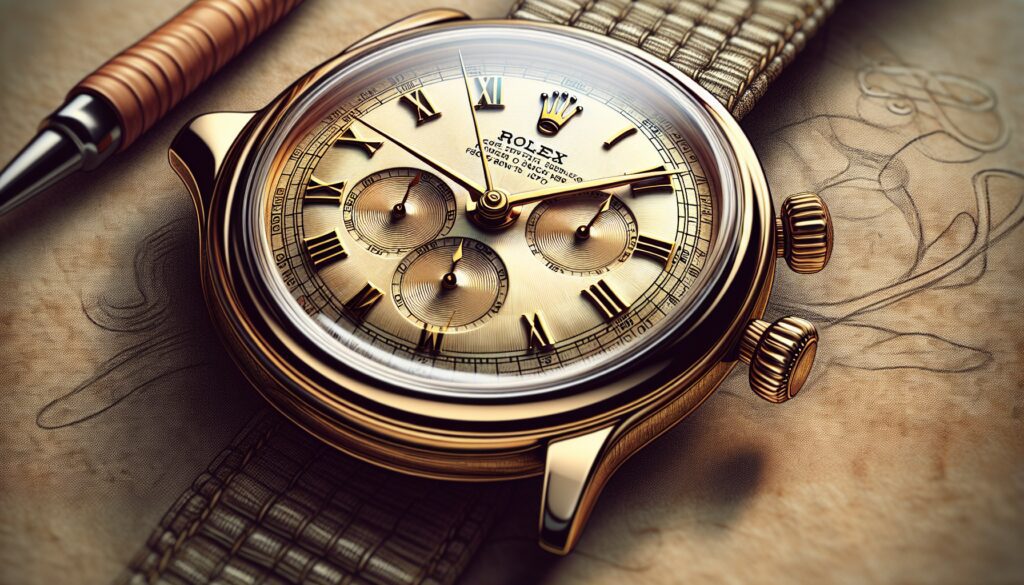
Owning a luxury watch is an accomplishment. Whether it is a Rolex purchased to celebrate a career milestone, an Omega received as a special gift, or a Cartier passed down through generations, a high-endDon’t Sell Your Rolex Just Yet: How to Use Your Luxury Watch to Access Cash Without Giving It Up
timepiece represents much more than its ability to tell time.
Luxury watches combine craftsmanship, history, prestige, and, in many cases, substantial financial value.
But what happens when you need cash and don’t want to sell a watch that means something to you?
For many people in San Jose and throughout Silicon Valley, the answer may be simpler than expected. Rather than permanently selling a valuable watch, you may be able to use it as collateral for a short-term pawn loan.
At R&J Jewelry & Loan in San Jose, California, understanding the value of your personal assets can help you explore financial options without immediately giving up ownership of something important.
In our previous discussion about luxury watch pawn loans, we explored how high-end timepieces can serve as collateral. Now, let’s take a closer look at why some watch owners choose to borrow instead of sell, what affects the value of a Rolex or other luxury watch, and how to make the most of your timepiece when you need financial flexibility.
Your Rolex May Be Worth More Than You Realize
Luxury watches occupy an unusual place in the world of personal possessions.
Most consumer products depreciate over time. Electronics become outdated, vehicles accumulate mileage, and fashion trends change.
Luxury watches can behave differently.
Certain models from Rolex, Patek Philippe, Audemars Piguet, Omega, and Cartier maintain strong demand in the secondary market. Some watches have experienced substantial appreciation, particularly when production becomes limited or collectors develop greater interest in specific references.
However, watch values are not guaranteed to increase. Prices can rise or fall depending on economic conditions, collector demand, availability, and broader market trends.
For example, a Rolex Submariner purchased years ago may have a resale value that differs significantly from its original retail price. A discontinued GMT-Master II or a desirable Daytona may also attract interest from collectors.
The important distinction is that your watch’s current value depends on what buyers are willing to pay today, not simply what you paid for it.
This matters when considering a pawn loan because the potential loan amount is based primarily on the value of the watch being offered as collateral.
Why Selling a Luxury Watch Isn’t Always the Best Financial Decision
Imagine owning a Rolex that you purchased to commemorate 25 years in business.
You have worn it to important meetings, family celebrations, and significant personal events. It has become part of your story.
Now imagine an unexpected expense arises.
Perhaps your business needs additional working capital. Maybe a major home repair cannot wait. Or perhaps you are between contracts and need temporary access to funds.
Selling your Rolex could provide cash, but once it is sold, recovering that exact watch may be impossible.
Even if you eventually purchase another Rolex, it will not necessarily carry the same history or personal meaning.
A pawn loan offers a different approach.
Instead of transferring ownership through a sale, you pledge the watch as collateral for a loan. You receive funds based on the lender’s evaluation and have the opportunity to reclaim your watch by repaying the amount owed under the loan agreement.
This distinction makes pawn loans particularly relevant for people who own valuable possessions they want to keep.
The Difference Between Selling and Pawning
When you sell a luxury watch, you receive an agreed purchase price and permanently transfer ownership.
When you pawn a luxury watch, you receive a loan secured by the watch. The lender holds the timepiece during the loan period, and you can reclaim it by satisfying the loan terms.
A pawn loan typically provides less cash than the amount you might receive from a direct retail sale because the lender must account for resale risk, expenses, and market fluctuations.
The advantage is the opportunity to get your watch back.
For someone who wants temporary financial assistance rather than a permanent sale, that opportunity can make a meaningful difference.
, it is important to compare borrowing costs. A pawn loan may carry higher finance charges than some other financing options.
3. Preserve an Important Family Heirloom
Luxury watches are frequently handed down from one generation to another.
A grandfather’s Rolex Datejust, a father’s Omega Seamaster, or a family member’s Cartier Tank may carry memories that cannot be replaced.
Selling such a watch may solve an immediate financial problem but create lasting regret.
A pawn loan offers the possibility of retaining that family connection, provided the loan is repaid.
4. Use an Existing Asset for Temporary Business Needs
San Jose is home to entrepreneurs, independent professionals, and business owners who understand that cash flow does not always follow a predictable schedule.
Unexpected expenses, delayed customer payments, equipment repairs, and seasonal business fluctuations can create temporary financial pressure.
For someone who owns a valuable luxury watch, a collateral loan may provide another option to consider.
As with any borrowing decision, the total cost and repayment deadline should fit the expected cash-flow situation.
5. Keep Your Options Open
Selling a valuable possession is a permanent decision.
Pawning offers an opportunity to reclaim the item.
For borrowers who expect their financial circumstances to improve within the loan period, this flexibility may be attractive.
The key is having a realistic repayment strategy before accepting the loan.

What Makes One Rolex More Valuable Than Another?
Not all Rolex watches have the same market value.
A vintage Datejust, a stainless-steel Submariner, and a platinum Daytona can differ dramatically in price.
Even watches from the same collection may have different values based on their specifications and history.
Several factors influence what a luxury watch may be worth.
Model and Reference Number
Some Rolex models are especially popular among collectors.
The Submariner is recognized for its diving heritage, while the GMT-Master II is associated with international travel and its distinctive dual-time-zone functionality.
The Daytona has a strong connection to motorsports, and the Day-Date is known for its precious-metal construction and classic styling.
Within each collection, particular reference numbers may command premiums because of rarity, materials, or collector interest.
Original Condition and Components
Originality can be extremely important in the luxury watch market.
A watch with its original dial, hands, bezel, and bracelet may be more desirable than one that has undergone extensive aftermarket modifications.
Even professional polishing can affect collector value if it significantly changes the original case shape.
This is why owners should avoid unnecessary modifications before seeking an evaluation.
Box, Papers, and Service History
Original packaging and documentation may contribute to a watch’s desirability.
Warranty cards, purchase receipts, and service records can help establish authenticity and history.
A complete set may command greater interest in the resale market than an otherwise comparable watch without documentation.
However, a genuine watch can still have substantial value even when the original box and papers are missing.
Market Demand
Luxury watch values fluctuate.
Certain models experience periods of exceptional popularity, while others may become less desirable as collector preferences change.
The resale market can also be influenced by economic conditions, interest rates, and the availability of new watches.
A professional evaluation considers current market conditions rather than relying exclusively on older price estimates.
Should You Pawn a Rolex, Omega, Cartier, or Another Luxury Watch?
Rolex may be one of the most recognized names in luxury watchmaking, but it is not the only brand that can hold meaningful collateral value.
Omega watches, including the Speedmaster and Seamaster collections, have established reputations for craftsmanship and technical innovation.
Cartier watches such as the Santos and Tank are recognized for elegant design and longstanding appeal.
Patek Philippe and Audemars Piguet produce highly desirable watches, including models that can command substantial prices in the secondary market.
Other watchmakers, including Breitling, Tudor, Panerai, and TAG Heuer, also produce timepieces that may have resale and collateral value.
The brand alone does not determine whether a watch qualifies for a loan.
The specific model, authenticity, condition, and lender’s acceptance criteria are all important.
If you are unsure whether your watch has enough value to serve as collateral, an individual evaluation is the best place to begin.
How to Protect Your Watch’s Value Before Pawning It
A luxury watch is a precision instrument, and maintaining its condition can help preserve its value.
Before bringing your watch for evaluation, consider these practical steps.
Gather your documentation. Locate any warranty cards, original packaging, service records, and purchase receipts.
Avoid unnecessary polishing. Collectors often value original finishes, especially on vintage watches.
Do not attempt complicated repairs yourself. Improper repairs can damage the movement or reduce originality.
Keep all original parts. Extra bracelet links, original bezels, and replaced components may have value.
Understand your watch’s history. Knowing when and where the watch was purchased, whether it has been serviced, and whether any components were replaced can be helpful.
Most importantly, do not assume that an older watch has little value simply because it shows signs of wear.
Certain vintage watches remain desirable despite cosmetic imperfections.
What Happens to Your Watch During a Pawn Loan?
One concern luxury watch owners often have is what happens to their timepiece while it is being held as collateral.
Because high-end watches can be valuable and personally meaningful, borrowers should understand the lender’s procedures before completing a transaction.
Ask how pledged watches are stored, what security measures are used, and what protections apply while the item is in the lender’s possession.
You should also confirm how and when your watch will be returned after the loan is repaid.
At the time of the transaction, carefully review the description of your watch on the loan paperwork, including identifying details when available.
Keep your pawn ticket and all related documents in a safe place.
A clear understanding of the transaction helps prevent confusion and supports a smoother redemption process.
Understanding the True Cost of a Luxury Watch Pawn Loan
A pawn loan can provide financial flexibility, but borrowers should evaluate the complete cost before accepting an offer.
In California, pawn transactions are governed by state laws that regulate loan terms and applicable charges.
The amount you must repay may include the principal plus permitted interest, fees, or other finance charges.
Before agreeing to a loan, ask these questions:
How much money will I receive?
What is the total amount required to reclaim my watch?
When is the repayment deadline?
Are there options to renew or extend the loan?
What happens if I cannot repay on time?
Are there any additional charges I should understand?
Borrowing against a luxury watch should be a deliberate financial decision, not an impulse.
If you have a clear repayment plan and understand the cost, a pawn loan may be a useful short-term option.
If you do not expect to repay the loan, selling the watch or exploring other financing options may be more appropriate.

Why Local Luxury Watch Owners Should Consider R&J Jewelry & Loan in San Jose
When you own a valuable timepiece, convenience is only one consideration.
You also want to understand the evaluation process, the proposed loan amount, and the responsibilities involved in borrowing against your watch.
For residents of San Jose and surrounding Silicon Valley communities, working with a local jewelry and loan business provides an opportunity to discuss the transaction in person.
Rather than relying exclusively on online price estimates, you can bring your watch for an individual assessment and ask questions about its potential collateral value.
Whether you live in San Jose, Santa Clara, Campbell, Cupertino, Los Gatos, or another nearby community, understanding your watch’s value can help you make a more informed financial decision.
Before visiting, contact R&J Jewelry & Loan to confirm which luxury watch brands and models are currently accepted for collateral loans.
Your Luxury Watch Can Be Both a Treasured Possession and a Financial Resource
Luxury watches often represent some of life’s most meaningful accomplishments.
They may celebrate promotions, anniversaries, retirements, or personal milestones. Some become family heirlooms, while others are collected for their craftsmanship and history.
But a luxury watch can also represent financial value.
When unexpected expenses arise, you may not have to choose immediately between keeping your watch and accessing cash.
A collateral-based pawn loan can provide an opportunity to borrow against your timepiece while retaining the option to reclaim it.
The decision should always begin with an understanding of the watch’s current value, the loan terms, and your ability to repay.
Explore Luxury Watch Pawn Loan Options at R&J Jewelry & Loan
If you own a Rolex, Omega, Cartier, or another high-end luxury watch and need access to cash, consider exploring the value of your timepiece before deciding to sell it.
Visit or contact R&J Jewelry & Loan in San Jose, California, to ask about luxury watch collateral evaluations and available pawn loan options.
Bring your watch, gather any original documentation, and learn what borrowing against your valuable timepiece could mean for your financial situation.
You worked hard to own your luxury watch. Before you sell it, discover whether its value can help you today while giving you the opportunity to wear it again tomorrow.
Pawn loans are subject to collateral evaluation, lender approval, applicable fees, repayment terms, and California law. Watch acceptance and loan amounts vary. Failure to repay may result in loss of the pledged watch.