Rolex Pawn Loans in San Jose: How to Get Cash Without Selling Your Luxury Watch | R&J Jewelry & Loan

luxury watch investment

Owning a luxury watch is an accomplishment. Whether it is a Rolex purchased to celebrate a career milestone, an Omega received as a special gift, or a Cartier passed down through generations, a high-endDon’t Sell Your Rolex Just Yet: How to Use Your Luxury Watch to Access Cash Without Giving It Up

timepiece represents much more than its ability to tell time.

Luxury watches combine craftsmanship, history, prestige, and, in many cases, substantial financial value.

But what happens when you need cash and don’t want to sell a watch that means something to you?

For many people in San Jose and throughout Silicon Valley, the answer may be simpler than expected. Rather than permanently selling a valuable watch, you may be able to use it as collateral for a short-term pawn loan.

At R&J Jewelry & Loan in San Jose, California, understanding the value of your personal assets can help you explore financial options without immediately giving up ownership of something important.

In our previous discussion about luxury watch pawn loans, we explored how high-end timepieces can serve as collateral. Now, let’s take a closer look at why some watch owners choose to borrow instead of sell, what affects the value of a Rolex or other luxury watch, and how to make the most of your timepiece when you need financial flexibility.

Your Rolex May Be Worth More Than You Realize

Luxury watches occupy an unusual place in the world of personal possessions.

Most consumer products depreciate over time. Electronics become outdated, vehicles accumulate mileage, and fashion trends change.

Luxury watches can behave differently.

Certain models from Rolex, Patek Philippe, Audemars Piguet, Omega, and Cartier maintain strong demand in the secondary market. Some watches have experienced substantial appreciation, particularly when production becomes limited or collectors develop greater interest in specific references.

However, watch values are not guaranteed to increase. Prices can rise or fall depending on economic conditions, collector demand, availability, and broader market trends.

For example, a Rolex Submariner purchased years ago may have a resale value that differs significantly from its original retail price. A discontinued GMT-Master II or a desirable Daytona may also attract interest from collectors.

The important distinction is that your watch’s current value depends on what buyers are willing to pay today, not simply what you paid for it.

This matters when considering a pawn loan because the potential loan amount is based primarily on the value of the watch being offered as collateral.

Why Selling a Luxury Watch Isn’t Always the Best Financial Decision

Imagine owning a Rolex that you purchased to commemorate 25 years in business.

You have worn it to important meetings, family celebrations, and significant personal events. It has become part of your story.

Now imagine an unexpected expense arises.

Perhaps your business needs additional working capital. Maybe a major home repair cannot wait. Or perhaps you are between contracts and need temporary access to funds.

Selling your Rolex could provide cash, but once it is sold, recovering that exact watch may be impossible.

Even if you eventually purchase another Rolex, it will not necessarily carry the same history or personal meaning.

A pawn loan offers a different approach.

Instead of transferring ownership through a sale, you pledge the watch as collateral for a loan. You receive funds based on the lender’s evaluation and have the opportunity to reclaim your watch by repaying the amount owed under the loan agreement.

This distinction makes pawn loans particularly relevant for people who own valuable possessions they want to keep.

The Difference Between Selling and Pawning

When you sell a luxury watch, you receive an agreed purchase price and permanently transfer ownership.

When you pawn a luxury watch, you receive a loan secured by the watch. The lender holds the timepiece during the loan period, and you can reclaim it by satisfying the loan terms.

A pawn loan typically provides less cash than the amount you might receive from a direct retail sale because the lender must account for resale risk, expenses, and market fluctuations.

The advantage is the opportunity to get your watch back.

For someone who wants temporary financial assistance rather than a permanent sale, that opportunity can make a meaningful difference.
Luxury Watches

, it is important to compare borrowing costs. A pawn loan may carry higher finance charges than some other financing options.

3. Preserve an Important Family Heirloom

Luxury watches are frequently handed down from one generation to another.

A grandfather’s Rolex Datejust, a father’s Omega Seamaster, or a family member’s Cartier Tank may carry memories that cannot be replaced.

Selling such a watch may solve an immediate financial problem but create lasting regret.

A pawn loan offers the possibility of retaining that family connection, provided the loan is repaid.

4. Use an Existing Asset for Temporary Business Needs

San Jose is home to entrepreneurs, independent professionals, and business owners who understand that cash flow does not always follow a predictable schedule.

Unexpected expenses, delayed customer payments, equipment repairs, and seasonal business fluctuations can create temporary financial pressure.

For someone who owns a valuable luxury watch, a collateral loan may provide another option to consider.

As with any borrowing decision, the total cost and repayment deadline should fit the expected cash-flow situation.

5. Keep Your Options Open

Selling a valuable possession is a permanent decision.

Pawning offers an opportunity to reclaim the item.

For borrowers who expect their financial circumstances to improve within the loan period, this flexibility may be attractive.

The key is having a realistic repayment strategy before accepting the loan.

luxury watch investment

What Makes One Rolex More Valuable Than Another?

Not all Rolex watches have the same market value.

A vintage Datejust, a stainless-steel Submariner, and a platinum Daytona can differ dramatically in price.

Even watches from the same collection may have different values based on their specifications and history.

Several factors influence what a luxury watch may be worth.

Model and Reference Number

Some Rolex models are especially popular among collectors.

The Submariner is recognized for its diving heritage, while the GMT-Master II is associated with international travel and its distinctive dual-time-zone functionality.

The Daytona has a strong connection to motorsports, and the Day-Date is known for its precious-metal construction and classic styling.

Within each collection, particular reference numbers may command premiums because of rarity, materials, or collector interest.

Original Condition and Components

Originality can be extremely important in the luxury watch market.

A watch with its original dial, hands, bezel, and bracelet may be more desirable than one that has undergone extensive aftermarket modifications.

Even professional polishing can affect collector value if it significantly changes the original case shape.

This is why owners should avoid unnecessary modifications before seeking an evaluation.

Box, Papers, and Service History

Original packaging and documentation may contribute to a watch’s desirability.

Warranty cards, purchase receipts, and service records can help establish authenticity and history.

A complete set may command greater interest in the resale market than an otherwise comparable watch without documentation.

However, a genuine watch can still have substantial value even when the original box and papers are missing.

Market Demand

Luxury watch values fluctuate.

Certain models experience periods of exceptional popularity, while others may become less desirable as collector preferences change.

The resale market can also be influenced by economic conditions, interest rates, and the availability of new watches.

A professional evaluation considers current market conditions rather than relying exclusively on older price estimates.

Should You Pawn a Rolex, Omega, Cartier, or Another Luxury Watch?

Rolex may be one of the most recognized names in luxury watchmaking, but it is not the only brand that can hold meaningful collateral value.

Omega watches, including the Speedmaster and Seamaster collections, have established reputations for craftsmanship and technical innovation.

Cartier watches such as the Santos and Tank are recognized for elegant design and longstanding appeal.

Patek Philippe and Audemars Piguet produce highly desirable watches, including models that can command substantial prices in the secondary market.

Other watchmakers, including Breitling, Tudor, Panerai, and TAG Heuer, also produce timepieces that may have resale and collateral value.

The brand alone does not determine whether a watch qualifies for a loan.

The specific model, authenticity, condition, and lender’s acceptance criteria are all important.

If you are unsure whether your watch has enough value to serve as collateral, an individual evaluation is the best place to begin.
sell vs pawn

How to Protect Your Watch’s Value Before Pawning It

A luxury watch is a precision instrument, and maintaining its condition can help preserve its value.

Before bringing your watch for evaluation, consider these practical steps.

Gather your documentation. Locate any warranty cards, original packaging, service records, and purchase receipts.

Avoid unnecessary polishing. Collectors often value original finishes, especially on vintage watches.

Do not attempt complicated repairs yourself. Improper repairs can damage the movement or reduce originality.

Keep all original parts. Extra bracelet links, original bezels, and replaced components may have value.

Understand your watch’s history. Knowing when and where the watch was purchased, whether it has been serviced, and whether any components were replaced can be helpful.

Most importantly, do not assume that an older watch has little value simply because it shows signs of wear.

Certain vintage watches remain desirable despite cosmetic imperfections.

What Happens to Your Watch During a Pawn Loan?

One concern luxury watch owners often have is what happens to their timepiece while it is being held as collateral.

Because high-end watches can be valuable and personally meaningful, borrowers should understand the lender’s procedures before completing a transaction.

Ask how pledged watches are stored, what security measures are used, and what protections apply while the item is in the lender’s possession.

You should also confirm how and when your watch will be returned after the loan is repaid.

At the time of the transaction, carefully review the description of your watch on the loan paperwork, including identifying details when available.

Keep your pawn ticket and all related documents in a safe place.

A clear understanding of the transaction helps prevent confusion and supports a smoother redemption process.

Understanding the True Cost of a Luxury Watch Pawn Loan

A pawn loan can provide financial flexibility, but borrowers should evaluate the complete cost before accepting an offer.

In California, pawn transactions are governed by state laws that regulate loan terms and applicable charges.

The amount you must repay may include the principal plus permitted interest, fees, or other finance charges.

Before agreeing to a loan, ask these questions:

  • How much money will I receive?

  • What is the total amount required to reclaim my watch?

  • When is the repayment deadline?

  • Are there options to renew or extend the loan?

  • What happens if I cannot repay on time?

  • Are there any additional charges I should understand?

Borrowing against a luxury watch should be a deliberate financial decision, not an impulse.

If you have a clear repayment plan and understand the cost, a pawn loan may be a useful short-term option.

If you do not expect to repay the loan, selling the watch or exploring other financing options may be more appropriate.
pawn loan

Why Local Luxury Watch Owners Should Consider R&J Jewelry & Loan in San Jose

When you own a valuable timepiece, convenience is only one consideration.

You also want to understand the evaluation process, the proposed loan amount, and the responsibilities involved in borrowing against your watch.

For residents of San Jose and surrounding Silicon Valley communities, working with a local jewelry and loan business provides an opportunity to discuss the transaction in person.

Rather than relying exclusively on online price estimates, you can bring your watch for an individual assessment and ask questions about its potential collateral value.

Whether you live in San Jose, Santa Clara, Campbell, Cupertino, Los Gatos, or another nearby community, understanding your watch’s value can help you make a more informed financial decision.

Before visiting, contact R&J Jewelry & Loan to confirm which luxury watch brands and models are currently accepted for collateral loans.

Your Luxury Watch Can Be Both a Treasured Possession and a Financial Resource

Luxury watches often represent some of life’s most meaningful accomplishments.

They may celebrate promotions, anniversaries, retirements, or personal milestones. Some become family heirlooms, while others are collected for their craftsmanship and history.

But a luxury watch can also represent financial value.

When unexpected expenses arise, you may not have to choose immediately between keeping your watch and accessing cash.

A collateral-based pawn loan can provide an opportunity to borrow against your timepiece while retaining the option to reclaim it.

The decision should always begin with an understanding of the watch’s current value, the loan terms, and your ability to repay.

Explore Luxury Watch Pawn Loan Options at R&J Jewelry & Loan

If you own a Rolex, Omega, Cartier, or another high-end luxury watch and need access to cash, consider exploring the value of your timepiece before deciding to sell it.

Visit or contact R&J Jewelry & Loan in San Jose, California, to ask about luxury watch collateral evaluations and available pawn loan options.

Bring your watch, gather any original documentation, and learn what borrowing against your valuable timepiece could mean for your financial situation.

You worked hard to own your luxury watch. Before you sell it, discover whether its value can help you today while giving you the opportunity to wear it again tomorrow.

Pawn loans are subject to collateral evaluation, lender approval, applicable fees, repayment terms, and California law. Watch acceptance and loan amounts vary. Failure to repay may result in loss of the pledged watch.
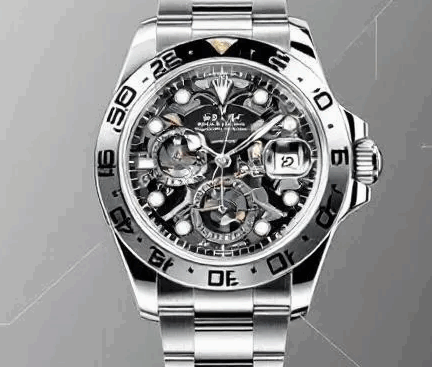

Your Luxury Watch Is More Than a Timepiece: How to Unlock Its Value With a Pawn Loan at R&J Jewelry & Loan

Sell luxury watches

A luxury watch is more than something you wear on your wrist. It represents craftsmanship, precision, personal achievement, and often a significant financial investment. Whether you own a Rolex Submariner, an Omega Speedmaster, a Cartier Santos, or another prestigious timepiece, your watch may hold considerable value beyond its original purchase price.

But what happens when you need access to cash and don’t necessarily want to part with something you’ve worked hard to acquire?

For luxury watch owners in San Jose and throughout Silicon Valley, R&J Jewelry & Loan offers an alternative to selling a valuable timepiece: using it as collateral for a pawn loan.

A luxury watch pawn loan allows you to access money based on the value of your watch while retaining the opportunity to reclaim it once the loan is repaid according to the agreed terms.

Understanding how luxury watch loans work, what makes certain watches valuable, and when borrowing against a timepiece makes financial sense can help you make an informed decision.

Why Luxury Watches Are Valuable Assets

Unlike many consumer purchases that lose much of their value shortly after leaving the store, certain luxury watches have demonstrated an ability to retain substantial resale value. Some highly sought-after models may even appreciate over time, although watch values can fluctuate considerably with market conditions.

Luxury watches are desirable because of several important factors.

Exceptional craftsmanship: Brands such as Rolex, Patek Philippe, Audemars Piguet, and Omega have built reputations around precision engineering, sophisticated movements, and attention to detail.

Brand recognition: Established luxury watchmakers have worldwide recognition, creating ongoing interest among collectors and enthusiasts.

Limited availability: Certain models are produced in limited quantities or become difficult to obtain through authorized dealers. Scarcity can increase demand in the secondary market.

Collectibility: Vintage watches, discontinued models, and pieces with unusual characteristics may attract collectors willing to pay a premium.

Precious materials: Some luxury watches contain substantial amounts of gold, platinum, or other valuable materials, contributing to their overall worth.

However, not every luxury watch increases in value. Brand, model, condition, authenticity, market demand, and current resale prices all influence what a watch may be worth.

That is why a professional evaluation is important before deciding whether to sell or pawn your timepiece.

Which Luxury Watch Brands May Qualify for a Pawn Loan?

Luxury watches come in many styles, from rugged professional diving watches to elegant dress watches designed for formal occasions.

Some of the most recognizable brands in the luxury watch market include:

luxury watch

Rolex: A Recognized Name in Luxury Watches

Rolex is among the world’s most recognizable luxury watch manufacturers. Models such as the Submariner, Daytona, GMT-Master II, Datejust, and Day-Date have established strong followings among collectors and watch enthusiasts.

Depending on the specific reference, condition, and market demand, a Rolex can represent a substantial asset.

For owners who want temporary access to cash without permanently giving up their watch, a Rolex pawn loan may be worth exploring.

Omega: Precision, History, and Prestige

Omega watches have a long history of technical innovation and distinctive design.

The Speedmaster, famously associated with NASA’s lunar missions, remains an iconic model. The Seamaster collection is also widely recognized for its diving heritage and elegant styling.

Omega owners may be surprised by the amount of value tied up in a watch they have owned for years.

Cartier: Luxury Jewelry Meets Watchmaking

Cartier combines fine jewelry traditions with sophisticated watch design.

The Cartier Tank, Santos, and Ballon Bleu collections are known for their distinctive appearance and enduring appeal.

Certain Cartier watches, particularly those crafted from precious metals, may offer attractive collateral value depending on the model and condition.

Patek Philippe and Audemars Piguet: Highly Sought-After Timepieces

Patek Philippe and Audemars Piguet occupy prominent positions in the world of high-end watch collecting.

Models such as the Patek Philippe Nautilus and Audemars Piguet Royal Oak can command significant prices in the secondary market.

Because values vary widely, professional evaluation is particularly important when considering a loan against one of these watches.

Other brands, including Breitling, Tudor, TAG Heuer, Panerai, and certain limited-production watchmakers, may also have collateral value.

The important consideration is not simply the name on the dial, but the watch’s actual market value and the lender’s willingness to accept it.

luxury watch maintenance

How Does a Luxury Watch Pawn Loan Work?

One of the biggest misconceptions about pawn shops is that customers must sell their valuables to receive money.

In reality, a pawn loan is designed to let customers borrow against an item of value without immediately selling it.

Here is how the process generally works.

Step 1: Bring Your Luxury Watch for Evaluation

Start by bringing your watch to R&J Jewelry & Loan in San Jose.

If available, bring the original box, warranty card, purchase receipt, service records, and any additional bracelet links.

These accessories and documents can help establish authenticity, ownership history, and potential resale value.

However, not having the original packaging does not automatically mean your watch has no collateral value.

Step 2: Your Watch Is Evaluated

During an evaluation, a lender may consider several factors:

  • Brand, model, and reference number

  • Authenticity and originality

  • Overall cosmetic and mechanical condition

  • Current secondary-market demand

  • Age, rarity, and production history

  • Original packaging and documentation

  • Recent comparable resale prices

The amount offered for a pawn loan is generally less than the watch’s estimated resale value because the lender must account for risk, potential resale expenses, and market fluctuations.

Step 3: Review Your Loan Offer

After the evaluation, you may receive a loan offer based on the watch’s collateral value.

Before accepting, review the loan principal, finance charges, applicable fees, repayment deadline, and any renewal or extension options.

Unlike a traditional unsecured personal loan, a pawn loan is secured by the watch itself.

Step 4: Receive Your Funds

Once the loan terms are accepted and the required transaction documentation is completed, you receive the agreed loan proceeds.

Your watch remains in the lender’s custody during the loan period.

Step 5: Repay the Loan and Reclaim Your Watch

When you repay the amount owed under your loan agreement, your watch is returned to you.

If you cannot repay, the lender may eventually take ownership of the collateral in accordance with the agreement and applicable California law.

This is why understanding the repayment terms before borrowing is essential.

sell vs pawn

Why Pawn a Luxury Watch Instead of Selling It?

Selling a luxury watch can make sense when you no longer wear it, want to upgrade your collection, or simply prefer to turn an unused possession into cash.

However, selling is permanent.

A pawn loan may be more appropriate when you need temporary funds but want to preserve ownership of a valuable watch.

Keep a Watch With Personal Meaning

Perhaps your Rolex was a retirement gift, your Cartier was purchased to celebrate an important milestone, or your Omega has been passed down through your family.

The sentimental value of a watch can far exceed its market price.

A pawn loan gives you the opportunity to use the financial value of that watch without permanently surrendering something meaningful.

Access Cash Without Selling Other Investments

Life can create unexpected financial demands.

Home repairs, business expenses, medical bills, and temporary cash-flow shortages do not always arrive at convenient times.

For someone who owns a valuable luxury watch, borrowing against that asset may be an alternative to liquidating other investments or possessions.

Avoid a Traditional Credit-Based Loan Application

Pawn loans are generally based on the value of the pledged collateral rather than the borrower’s credit score.

This can make them an option for people who prefer not to pursue a traditional credit-based loan.

However, borrowers should still compare the total cost of borrowing against other available financing options.

Maintain Flexibility With Your Valuable Assets

A luxury watch may spend much of its time in a safe or watch box.

When financial needs arise, that same watch can potentially serve as a source of short-term liquidity.

Rather than viewing a luxury watch solely as a collectible or fashion accessory, owners can recognize its possible role as a financial resource.

Assets with Pawn Loans

What Determines How Much You Can Borrow Against a Rolex or Other Luxury Watch?

A common question is: “How much can I get for pawning my Rolex?”

There is no universal answer.

Two watches from the same manufacturer can have dramatically different values.

For example, a stainless-steel Rolex Submariner and a precious-metal Rolex Day-Date may appeal to different buyers and command different prices.

Even two watches with the same reference number can vary in value because of condition, age, accessories, and originality.

Several considerations influence a potential loan offer.

Condition: Watches with significant scratches, damaged crystals, missing components, or mechanical problems may be worth less than well-maintained examples.

Authenticity: Genuine watches with original components generally offer greater confidence in valuation. Aftermarket modifications can affect value.

Market demand: Certain models experience periods of increased popularity, while others become less desirable.

Documentation: Original boxes, warranty cards, receipts, and service records may strengthen the evaluation.

Current resale market: Loan offers reflect what a watch could realistically sell for, not necessarily what its owner originally paid.

Because luxury watch prices change, the most reliable way to understand your watch’s potential borrowing value is through an individual evaluation.

Luxury Watch Loans for San Jose Professionals and Business Owners

San Jose sits at the center of Silicon Valley, where entrepreneurs, technology professionals, independent contractors, and business owners often manage changing financial demands.

Even individuals with substantial assets can experience temporary cash-flow challenges.

A business owner may need funds for an unexpected expense. A professional may be waiting for a commission payment or contract settlement. A family may need to address a major repair without disrupting longer-term financial plans.

For those who own valuable watches, a collateral-based loan may offer another financing option.

A watch loan should not be viewed as free money or a substitute for responsible financial planning. The interest and fees matter, and failure to repay can result in the loss of the watch.

But when the loan amount, repayment timeline, and borrowing costs fit your circumstances, pawning a luxury watch can be a practical way to access the value of an asset you already own.

How to Prepare Your Luxury Watch Before Bringing It to R&J Jewelry & Loan

If you are considering pawning your watch, a little preparation can help make the evaluation process easier.

Start by gathering whatever documentation you have, including the original warranty card, receipt, box, and service history.

Make sure you understand the watch’s brand and model, if possible.

Avoid aggressive polishing or attempting repairs yourself. Original finishes and components can be important to collectors, and unnecessary alterations may reduce a watch’s value.

If the watch is not running properly, disclose the issue rather than attempting an unqualified repair.

Finally, determine how much money you actually need and whether you can comfortably meet the repayment obligations.

Borrowing only what is necessary can help reduce the overall cost of the loan.

Should You Pawn or Sell Your Luxury Watch?

The right decision depends on your financial goals.

Consider pawning your watch if:

  • You need temporary access to cash.

  • You want the opportunity to reclaim your watch.

  • The timepiece has sentimental or collectible value.

  • You have a realistic repayment plan.

  • You prefer an asset-backed loan over other available borrowing options.

Consider selling your watch if:

  • You no longer wear or want it.

  • You do not intend to repay a loan.

  • You want to eliminate the responsibilities and costs associated with borrowing.

  • You are upgrading or changing your watch collection.

Neither option is automatically better. The goal is to choose the solution that makes the most sense for your situation.

pawn loan

Unlock the Value of Your Luxury Watch at R&J Jewelry & Loan in San Jose

Your luxury watch may represent years of hard work, personal accomplishment, or family history.

It may also represent financial value that can be useful when an unexpected need arises.

At R&J Jewelry & Loan in San Jose, California, customers interested in using valuable personal property as collateral can explore their borrowing options and learn more about the pawn loan process.

Whether you own a Rolex, Omega, Cartier, or another high-end timepiece, understanding its current market value is the first step toward making an informed financial decision.

There is no reason to assume that permanently selling a treasured watch is your only option when you need cash.

A luxury watch pawn loan may allow you to address a short-term financial need while preserving the opportunity to reclaim your timepiece.

Visit R&J Jewelry & Loan and Discover What Your Luxury Watch May Be Worth

If you have a high-end watch sitting in a safe, tucked away in a drawer, or worn only on special occasions, consider the financial value it may represent.

Contact or visit R&J Jewelry & Loan in San Jose to ask about luxury watch evaluations, eligible collateral, and available pawn loan options.

Bring your watch and any supporting documentation, ask questions about the terms, and find out whether borrowing against your timepiece makes sense for you.

Your luxury watch tells a story of success, craftsmanship, and personal achievement. When the time is right, it may also help you meet an important financial need.

All pawn loans are subject to collateral evaluation, approval, applicable fees, loan terms, and California law. Acceptance of specific watch brands and models is not guaranteed.

If you own a luxury watch, you’ve probably wondered at some point: What is my watch actually worth?

It’s a simple question with a surprisingly complicated answer.

Two Rolex watches can look similar but have dramatically different values. An older watch isn’t necessarily worth less than a newer one. A scratched watch might still be highly desirable. Even something as simple as having the original box, warranty card, and extra bracelet links can potentially affect what a buyer is willing to pay.

At R&J Jewelry & Loan in San Jose, California, luxury watches are a specialty. R&J buys, sells, and makes pawn loans on many fine-watch brands, including Rolex, Patek Philippe, Audemars Piguet, IWC, Vacheron Constantin, Richard Mille, Grand Seiko, Jaeger-LeCoultre, and others.

So, what goes into determining the value of a luxury watch?

Here are some of the biggest factors.

1. Brand Matters—but It Isn’t Everything

The name printed on the dial is one of the first things people notice, and brand certainly matters in the luxury-watch market.

Some manufacturers have spent generations building reputations for craftsmanship, innovation, exclusivity, and prestige.

Rolex is perhaps one of the most recognizable examples. Patek Philippe is known for high-end watchmaking and complicated mechanical movements. Audemars Piguet has developed an enormous following among collectors, while brands such as Vacheron Constantin, Richard Mille, IWC, Cartier, and Jaeger-LeCoultre each have their own place in the luxury market.

But don’t assume that every watch from a particular manufacturer has the same value.

The exact model can matter tremendously.

2. The Model and Reference Number Can Make a Big Difference

Knowing that you own a Rolex is only the beginning.

Which Rolex?

A Submariner, Daytona, GMT-Master, Datejust, Explorer, and Day-Date are very different watches. Within those collections are different reference numbers, metals, dial configurations, bezels, bracelets, and production periods.

Collectors can become incredibly specific about what they want.

Sometimes a seemingly minor variation can make one watch more desirable than another.

That’s why accurately identifying a luxury watch is so important when determining its value.

If you aren’t sure exactly what you own, don’t guess based on photos you find online. A professional evaluation can provide a much better starting point.

3. Condition Plays an Important Role

Condition is one of the most obvious factors affecting the value of a pre-owned watch, but there’s more to condition than scratches.

An experienced watch buyer may consider the condition of the:

  • Case
  • Crystal
  • Dial
  • Hands
  • Bezel
  • Crown
  • Bracelet
  • Clasp
  • Movement
  • Internal components

Normal signs of wear aren’t necessarily a deal breaker. Luxury watches are meant to be worn, and a watch doesn’t have to look brand new to have significant value.

In fact, owners should be cautious about trying to make an older watch look new immediately before selling it.

Excessive polishing can alter the original lines and edges of a watch case. Replacement parts can also affect collectibility.

Before investing in cosmetic work because you’re planning to sell, consider having the watch evaluated in its current condition.

4. Originality Can Be Extremely Important

Collectors often care about originality.

An older watch with its original dial, hands, bezel, bracelet, crown, and other components may be more desirable than one that has undergone numerous modifications.

That doesn’t mean every replacement part destroys a watch’s value. Watches require maintenance, and components sometimes need to be replaced.

But when dealing with collectible watches, originality can become an important part of the valuation.

Aftermarket modifications deserve special attention.

Diamond bezels, custom dials, aftermarket bracelets, and other modifications may appeal to an individual owner, but they don’t automatically increase resale value simply because money was spent on them.

Sometimes the opposite can be true.

This is why it’s helpful to speak with someone who understands the pre-owned watch market before assuming a modification makes your watch more valuable.

5. The Box and Papers Can Add Value

Remember that watch box tucked away in your closet?

Don’t throw it out.

Original accessories can be important when selling a fine watch.

If you still have them, gather the:

  • Original box
  • Warranty card or certificate
  • Manuals and booklets
  • Original sales receipt
  • Service documentation
  • Hang tags
  • Extra bracelet links
  • Other original accessories

R&J Jewelry & Loan specifically notes that having the original certificate, hang tags, booklets, and box may help them offer more for a fine watch.

Why?

These items help create a more complete package and can provide useful information about the watch’s history and provenance.

A “full set” can be particularly attractive to collectors.

That doesn’t mean your watch has no value without the box and papers. Many valuable watches no longer have their original packaging or documents.

Bring it in anyway.

6. Rarity and Production Can Influence Demand

Scarcity can have a major influence on collectible items.

A watch produced in enormous numbers may be easier to find on the secondary market than a discontinued reference or unusual configuration.

Collectors may seek particular:

  • Dial colors
  • Case materials
  • Bezels
  • Production years
  • Limited editions
  • Discontinued references
  • Complications
  • Bracelet styles

But rarity by itself doesn’t guarantee value.

Something can be rare because few people wanted it.

The sweet spot occurs when rarity meets demand.

When many collectors want a watch and relatively few examples are available, values can rise.

7. Market Demand Changes

Luxury watches have a secondary market, and that market changes.

Certain brands, models, dial colors, sizes, and styles may become more or less popular over time.

That means the value you found online two years ago may not accurately represent what someone would pay today.

It also explains why online asking prices should be viewed cautiously.

Suppose you search for your watch and see one listed for $20,000.

Does that mean yours is worth $20,000?

Not necessarily.

A listing tells you what a seller is asking. It doesn’t necessarily tell you what comparable watches are actually selling for.

Condition, accessories, authenticity, reference number, location, dealer costs, and other factors also come into play.

R&J evaluates fine watches based on current market value rather than simply relying on a random online listing.

8. Service History Can Help Tell the Watch’s Story

Luxury watches are precision instruments and require proper care.

If you’ve maintained your watch and saved your service documentation, bring those records with you when having it evaluated.

Service history can help explain what work has been performed and whether components have been replaced.

However, don’t rush out and pay for a complete service simply because you’re considering selling.

Depending on the watch, its age, and the collector market, it may make more sense to have the watch evaluated first.

Let an expert look at what you have before making major changes.

9. Authenticity Is Essential

Unfortunately, the popularity and value of designer watches have created a sophisticated counterfeit market.

Fake watches aren’t always obvious.

Some counterfeits can look convincing to someone who isn’t familiar with a particular brand. There are also watches sometimes referred to as “Frankenwatches,” which can contain combinations of authentic and non-original components.

Authentication can involve examining numerous details, including the movement, reference and serial information, dial, case, bracelet, finishing, weight, materials, and construction.

This is one reason expertise matters when you’re buying or selling a pre-owned luxury watch.

At R&J Jewelry & Loan, inspections and appraisals are performed in the shop by an experienced watch expert, and the company says customers can see what the appraiser is examining during the process.

10. Provenance Can Sometimes Matter

Every watch has a story.

In some cases, that story can contribute to desirability.

A watch with documented historical significance, an unusual ownership history, or particularly strong provenance may attract additional collector interest.

For the average luxury-watch owner, provenance may simply mean having a clear history of ownership, original purchase documentation, and service records.

The more you know about your watch, the better.

If you’ve inherited a watch, don’t discard old paperwork because it looks outdated. Those documents may help tell the story of the timepiece.

Luxury Watches

Should You Sell or Pawn Your Luxury Watch?

Knowing what your watch is worth can also help you decide what to do with it.

If you no longer wear the watch and don’t have an emotional attachment to it, selling may make sense.

But what if you need access to cash and don’t want to permanently give up your watch?

That’s where a pawn loan provides another option.

Instead of selling your watch, you may be able to use it as collateral for a loan. Once the terms of the pawn loan are satisfied, you can reclaim the watch.

R&J Jewelry & Loan considers many luxury-watch brands for both purchase and pawn loans, giving San Jose watch owners options depending on their individual needs.

Luxury Watch Brand

Thinking About Buying a Pre-Owned Luxury Watch?

Understanding value isn’t only important for sellers.

It matters to buyers, too.

The pre-owned luxury-watch market can be an exciting place to shop. You may find discontinued models, different generations of popular watches, unusual configurations, or simply an opportunity to own a luxury timepiece without purchasing new.

But buying based on a photograph and a brand name isn’t enough.

Ask questions.

What is the exact model and reference? What is the condition? Are the components original? Does it have the box and papers? Has it been authenticated?

Working with knowledgeable professionals can make navigating the pre-owned market much easier.

Don’t Guess What Your Watch Is Worth

Perhaps the biggest mistake a luxury-watch owner can make is assuming they know what they have without getting an informed evaluation.

Maybe you’ve had a Rolex sitting in a safe for 15 years.

Maybe you inherited a Patek Philippe and know almost nothing about watches.

Perhaps you bought an Audemars Piguet years ago and are curious about today’s value.

Or maybe you simply want to trade one style for something different.

Whatever the reason, knowing the brand is only the beginning.

Model, reference, condition, originality, accessories, rarity, demand, authenticity, and current market conditions can all play a role in determining value.

pawn loan

Bring Your Fine Watch to R&J Jewelry & Loan in San Jose

R&J Jewelry & Loan has specialized knowledge of fine watches and an on-site watch appraiser with more than 20 years of experience. The business buys and makes loans on a wide variety of luxury brands and evaluates watches based on current market value.

That expertise matters when you’re dealing with something potentially worth thousands—or considerably more.

Instead of relying on an online estimate or trying to compare your watch to one that merely looks similar, have someone knowledgeable evaluate the actual timepiece.

Whether you want to buy a luxury watch, sell a fine watch, or pawn your watch for cash, R&J Jewelry & Loan can help you understand your options.

Visit R&J Jewelry & Loan

R&J Jewelry & Loan
1775 Story Rd #115
San Jose, CA 95122
(408) 770-9774

Have a Rolex, Patek Philippe, Audemars Piguet, Richard Mille, IWC, Vacheron Constantin, Grand Seiko, or another luxury watch?

Bring it to R&J Jewelry & Loan and let an experienced watch professional take a closer look.

Because when it comes to luxury watches, knowing exactly what you have is the first step toward knowing what it’s worth.