You may have more financial flexibility than you realize.
It could be sitting in your jewelry box.
It might be on your wrist.
Maybe it is a luxury watch you only wear on special occasions, a diamond bracelet you inherited, a gold chain you’ve owned for years, or another high-value item that you don’t want to sell.
These possessions aren’t just things you own. They are assets—items with value that may be used to help you access cash when you need it.
At R&J Jewelry & Loan in San Jose, California, customers can leverage qualifying high-value personal assets as collateral for a loan. Instead of permanently selling something valuable, you may be able to borrow against its value and reclaim it after satisfying the terms of the loan.
It’s a simple concept: you already own the asset, so why not let its value work for you when you need cash?
What Is an Asset-Based Loan?
At its simplest, an asset-based loan is financing secured by something of value.
In the broader financial industry, the term “asset-based lending” is frequently associated with businesses borrowing against assets such as inventory, equipment, or accounts receivable.
For an individual visiting a pawn shop, the concept is similar but much simpler.
You bring in a qualifying valuable item you own. The item is evaluated, and its value helps determine how much money may be available to you.
In a pawn transaction, the item serves as collateral for the loan.
At R&J Jewelry & Loan, those assets might include high-value jewelry, gold, diamonds, luxury watches, and other desirable valuables.
Rather than asking, “How much can I borrow based on my paycheck?” the transaction starts with a different question:
“What is this asset worth?”
That distinction is what makes collateral lending useful for many customers.
Your Assets Can Be a Source of Liquidity
People sometimes think about wealth only in terms of the amount of cash in their checking or savings account.
But your financial picture can include much more than cash.
Imagine someone who owns a luxury watch worth thousands of dollars but has an unexpected expense due this week. The watch has value, but that value isn’t immediately available to pay a bill.
In financial terms, this is a question of liquidity.
Cash is liquid because you can spend it immediately. Jewelry, watches, gold, and diamonds have value, but that value is tied up in the physical asset.
A collateral loan can provide a way to temporarily convert some of that value into usable cash without requiring you to permanently sell the item.
That can be especially appealing when the asset is something you want to keep.
How Can You Leverage High-Value Jewelry?
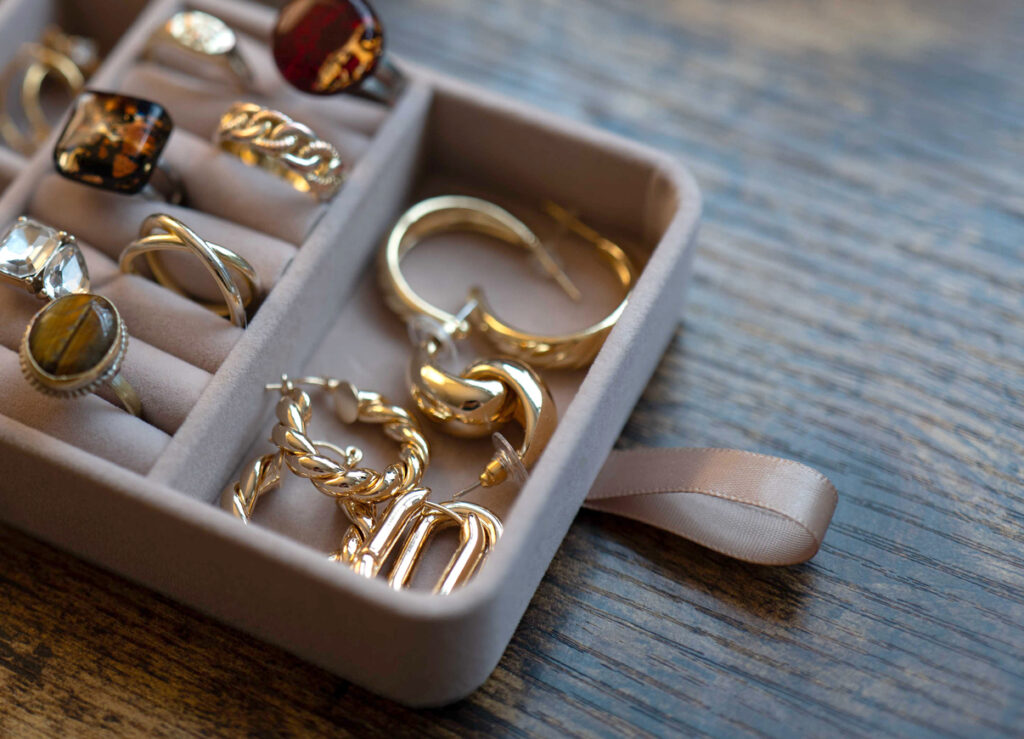
Fine jewelry can represent significant value, particularly when it contains precious metals, diamonds, or other desirable gemstones.
Consider what might be sitting unused in your jewelry collection.
Maybe you have a diamond tennis bracelet you haven’t worn in years.
Perhaps there’s an 18-karat gold necklace reserved for special occasions.
You might own a diamond ring, designer jewelry, a substantial gold chain, or inherited jewelry that you want to keep in the family.
Instead of selling that property when you need temporary cash, you may be able to use it as collateral.
The amount available will depend on the specific item and its value. Factors can include precious-metal content, weight, diamonds or gemstones, brand, condition, desirability, authenticity, and current market demand.
The important point is that you don’t necessarily have to sell a valuable possession simply because you need access to its value.
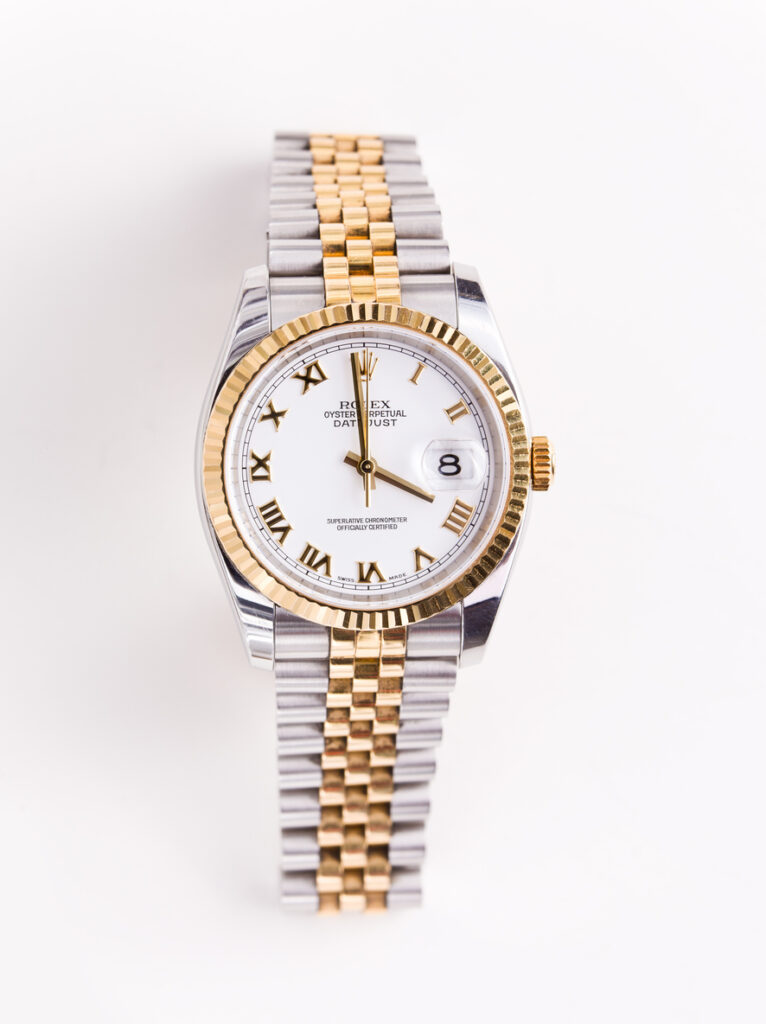
Luxury Watches Can Be Powerful Assets
Luxury watches are another category that people sometimes underestimate.
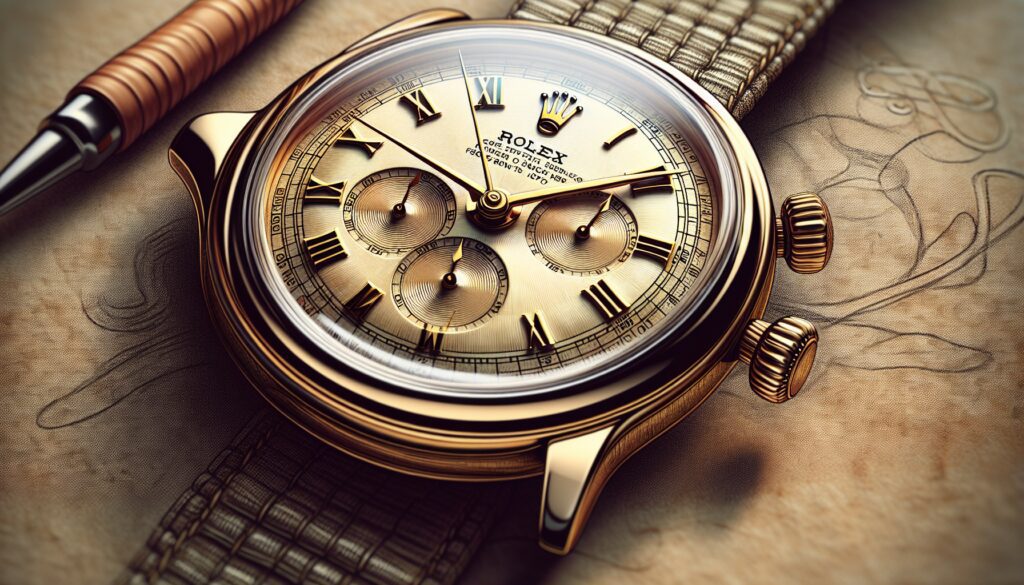
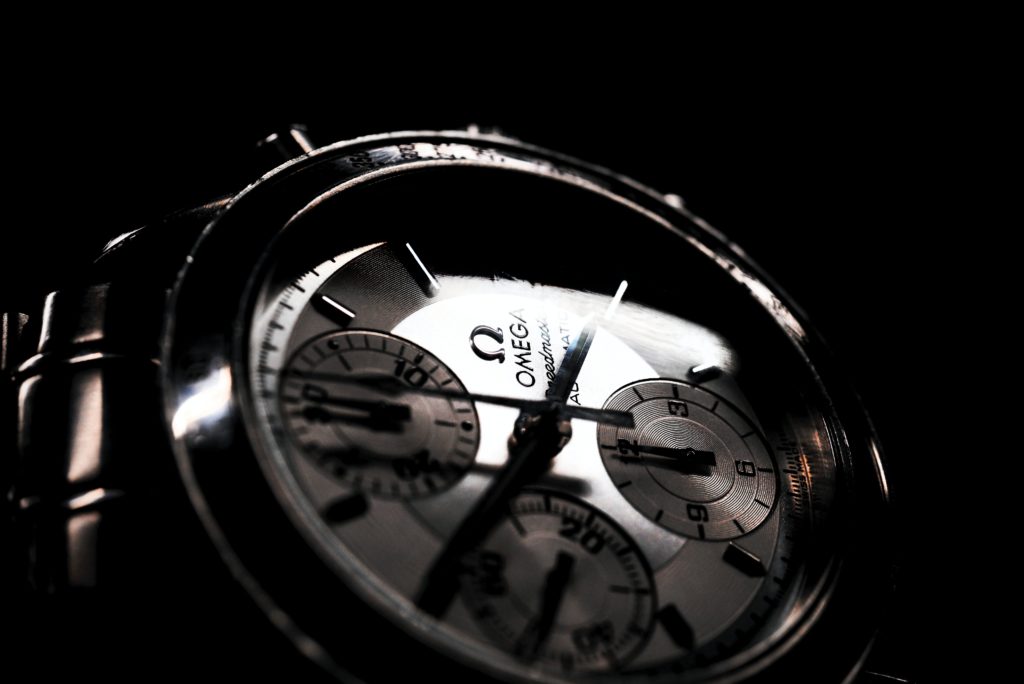
Certain high-end watches can represent substantial stored value.
Depending on the brand and model, factors such as condition, age, rarity, market demand, authenticity, and completeness can all affect a watch’s value.
Original documentation can also be helpful.
If you have the box, papers, warranty card, receipt, service history, or extra bracelet links, bring them with you when having the watch evaluated.
For someone who owns a valuable watch but doesn’t want to permanently part with it, a collateral loan can provide an alternative to selling.
You can leverage the watch’s value for cash while retaining the opportunity to reclaim the watch after the loan is satisfied according to its terms.
That is especially important when a watch has sentimental value.
Maybe it was purchased to celebrate a career milestone.
Perhaps it was an anniversary gift.
Maybe it was inherited from a parent or grandparent.
Selling it may solve today’s financial need but create tomorrow’s regret.
Using it as collateral gives you another option.
Gold Is More Than Something You Wear
Gold is one of the oldest recognizable stores of value, yet many people have gold sitting around their homes without realizing what it may be worth.
Think about:
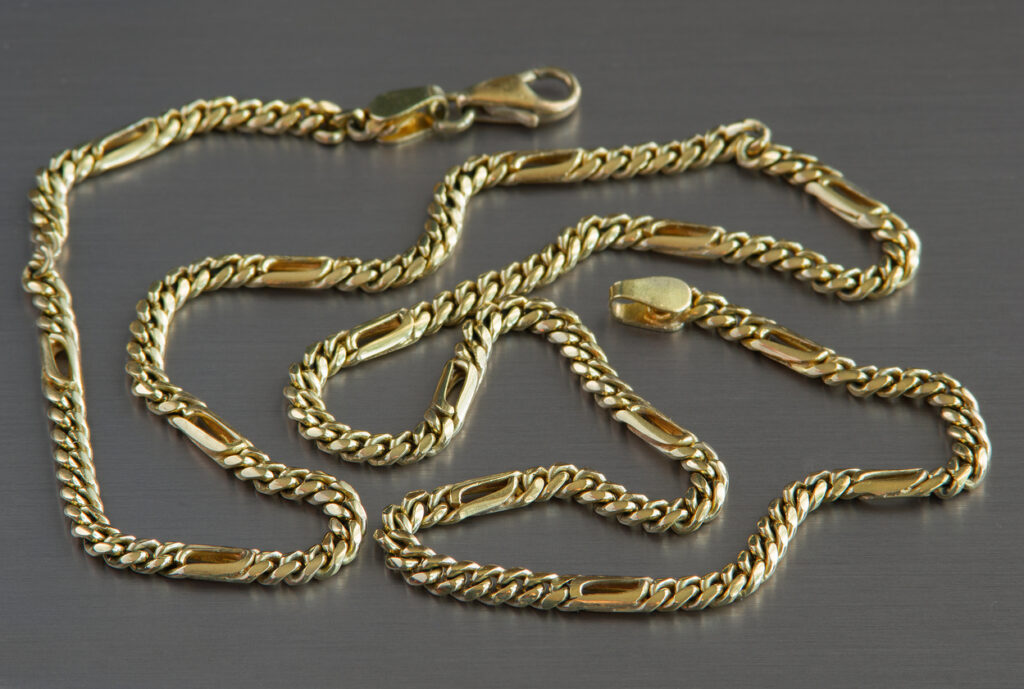
Gold chains.
Bracelets.
Rings.
Earrings.
Coins or other qualifying gold items.
Broken jewelry.
Single earrings.
Outdated pieces.
Even jewelry that is no longer fashionable may retain value because of its precious-metal content.
Gold prices fluctuate, so the value of a piece can change over time. Something purchased or inherited many years ago may be worth having professionally evaluated rather than simply guessing at its value.
At R&J Jewelry & Loan, an evaluation can help you better understand what you have and whether it could be used as collateral.

Why Would Someone Use an Asset-Based Collateral Loan?
There isn’t one typical pawn customer and there isn’t one reason someone might need short-term cash.
Life doesn’t always arrange expenses around payday.
You might have plenty of income coming in over the course of the month but still have a major expense that needs to be handled today.
For example, someone might use funds from a collateral loan for an unexpected vehicle repair.
Your car breaks down on Tuesday. You need it to get to work Wednesday. Waiting until your next paycheck may not be practical.
Another person might need cash for a home repair.
A broken appliance, plumbing problem, damaged HVAC system, or other unexpected issue can quickly become urgent.
Others may need temporary cash for business expenses.
A small-business owner might have money coming in from customers later in the month but need to purchase supplies or cover another immediate expense today.
There can also be travel expenses.
A family emergency may require a last-minute airline ticket, hotel stay, rental car, or long-distance trip that wasn’t part of the monthly budget.
Then there are seasonal expenses.
Back-to-school shopping, college expenses, holiday travel, gifts, family gatherings, weddings, graduations, and other events can create temporary gaps between available cash and current expenses.
Some customers may simply want short-term financial flexibility without permanently selling a valuable possession.
The reason is personal.
The underlying idea is the same: use an asset you already own to help address a current cash need.
Why Not Just Sell the Item?
Sometimes selling is the right choice.
If you have a valuable item you no longer use, need, or want, selling it may make perfect sense.
But selling is permanent.
That distinction matters.
Suppose you own a luxury watch that you’ve had for 15 years. You don’t wear it every day, but it means something to you.
You suddenly need $2,000 for an unexpected expense.
If you sell the watch, you receive cash—but the watch is gone.
If the item qualifies for a collateral loan, you may have another choice.
You can use the watch to secure the loan, address your immediate financial need, and have the opportunity to reclaim your property after satisfying the loan terms.
That’s the key difference between selling an asset and leveraging an asset.
Selling transfers ownership.
Leveraging allows the asset’s value to help provide liquidity while giving you the opportunity to retain ownership.
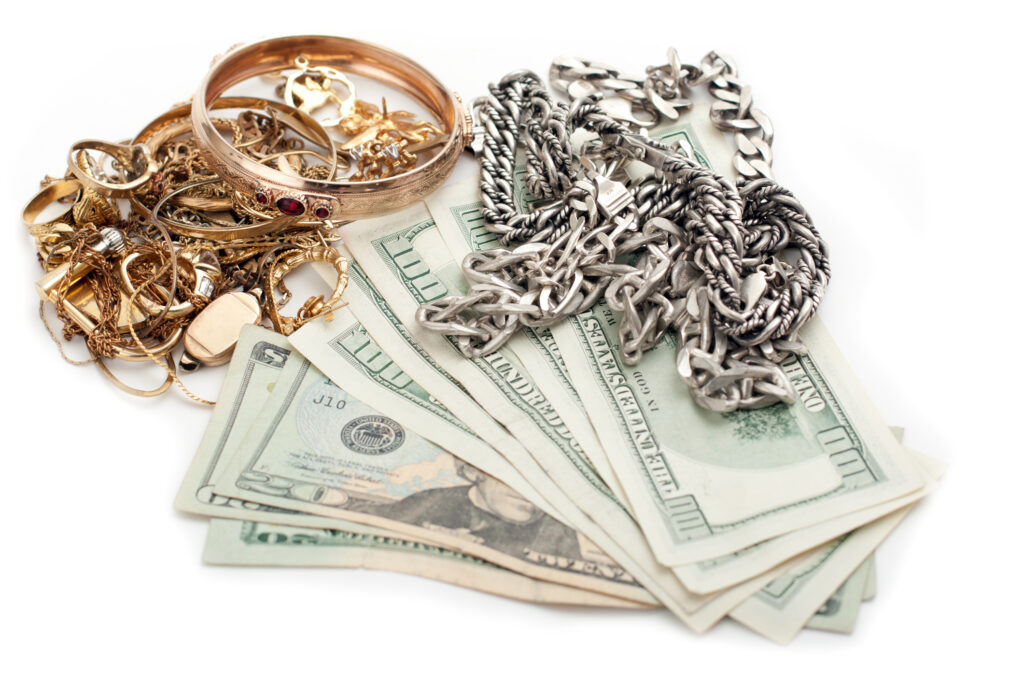
How Quickly Can You Access Cash?
One of the attractions of pawn lending is the straightforward evaluation process.
Unlike some traditional forms of borrowing, the focus is on the value of the property being pledged as collateral.
Bring your qualifying item to R&J Jewelry & Loan, where it can be examined and evaluated.
If R&J can make a loan offer and you decide to accept it, the transaction can generally be completed without the lengthy process associated with many conventional loans.
For someone facing a time-sensitive expense, that convenience can matter.
The plumbing problem doesn’t care when payday arrives.
Neither does the mechanic, airline, contractor, veterinarian, or unexpected bill.
Sometimes access to cash today is more useful than access to cash several weeks from now.
How Much Can You Borrow Against an Asset?
Owning an item that originally cost $10,000 doesn’t automatically mean you can borrow $10,000 against it.
Purchase price and current market value are different things.
A professional evaluation considers what the item is worth in today’s market.
For jewelry, that could include gold purity and weight, gemstone quality, condition, brand, and demand.
For diamonds, characteristics such as carat weight, cut, color, clarity, certification, and market conditions can matter.
For luxury watches, brand, reference, authenticity, condition, age, accessories, and current secondary-market demand can influence value.
This is why an in-person evaluation is important.
Online estimates can provide general information, but every high-value item is different.
What Should You Bring With You?
If you are considering using a valuable item as collateral, bring the item along with any documentation or accessories you have.
For a luxury watch, that might include the original box, warranty card, receipt, manuals, service records, and extra links.
For diamonds or fine jewelry, bring grading reports, appraisals, receipts, certificates, or other documentation if available.
Don’t worry if you don’t have every piece of paperwork.
You can still ask R&J Jewelry & Loan about having your item evaluated.
The first step is simply discovering what your asset may be worth.

Understand the Loan Before You Agree
Fast access to cash shouldn’t mean making a rushed financial decision.
Before entering into any collateral loan, understand the complete terms.
Ask questions.
How much are you borrowing?
What are the charges?
When is the loan due?
What will you need to pay to reclaim your property?
What happens if you don’t repay the loan according to its terms?
Make sure you’re comfortable with the answers before proceeding.
Your jewelry or watch may carry financial value, but it may also carry personal or sentimental value. If losing the item would be particularly difficult, factor that into your decision before using it as collateral.
Unlock the Value of What You Already Own
Sometimes financial flexibility isn’t about earning more money or opening another credit account.
It can start by looking at the assets you already have.
A diamond bracelet.
A luxury watch.
A gold necklace.
A high-end piece of jewelry.
These items may spend most of their lives sitting securely in a drawer, safe, or jewelry box. Yet each may represent stored value.
When an unexpected expense arises, that value may provide another financial option.
At R&J Jewelry & Loan in San Jose, customers can bring qualifying valuables in for evaluation and learn whether a collateral loan or outright sale makes more sense for their situation.
You don’t necessarily have to permanently sell something valuable to access some of the value it represents.
Sometimes, you can simply put that asset to work.
Discover What Your Valuables Could Do for You
If you own gold, diamonds, fine jewelry, luxury watches, or other high-value items, consider having them professionally evaluated.
Whether you need cash for an unexpected repair, business expense, travel, seasonal costs, or another short-term need, your assets may give you options you haven’t considered.
Visit R&J Jewelry & Loan in San Jose, California, and find out what your valuables may be worth.
You worked hard for what you own. When you need cash, those assets may be able to work for you.