If you own a luxury watch, you’ve probably wondered at some point: What is my watch actually worth?

It’s a simple question with a surprisingly complicated answer.

Two Rolex watches can look similar but have dramatically different values. An older watch isn’t necessarily worth less than a newer one. A scratched watch might still be highly desirable. Even something as simple as having the original box, warranty card, and extra bracelet links can potentially affect what a buyer is willing to pay.

At R&J Jewelry & Loan in San Jose, California, luxury watches are a specialty. R&J buys, sells, and makes pawn loans on many fine-watch brands, including Rolex, Patek Philippe, Audemars Piguet, IWC, Vacheron Constantin, Richard Mille, Grand Seiko, Jaeger-LeCoultre, and others.

So, what goes into determining the value of a luxury watch?

Here are some of the biggest factors.

1. Brand Matters—but It Isn’t Everything

The name printed on the dial is one of the first things people notice, and brand certainly matters in the luxury-watch market.

Some manufacturers have spent generations building reputations for craftsmanship, innovation, exclusivity, and prestige.

Rolex is perhaps one of the most recognizable examples. Patek Philippe is known for high-end watchmaking and complicated mechanical movements. Audemars Piguet has developed an enormous following among collectors, while brands such as Vacheron Constantin, Richard Mille, IWC, Cartier, and Jaeger-LeCoultre each have their own place in the luxury market.

But don’t assume that every watch from a particular manufacturer has the same value.

The exact model can matter tremendously.

2. The Model and Reference Number Can Make a Big Difference

Knowing that you own a Rolex is only the beginning.

Which Rolex?

A Submariner, Daytona, GMT-Master, Datejust, Explorer, and Day-Date are very different watches. Within those collections are different reference numbers, metals, dial configurations, bezels, bracelets, and production periods.

Collectors can become incredibly specific about what they want.

Sometimes a seemingly minor variation can make one watch more desirable than another.

That’s why accurately identifying a luxury watch is so important when determining its value.

If you aren’t sure exactly what you own, don’t guess based on photos you find online. A professional evaluation can provide a much better starting point.

3. Condition Plays an Important Role

Condition is one of the most obvious factors affecting the value of a pre-owned watch, but there’s more to condition than scratches.

An experienced watch buyer may consider the condition of the:

  • Case
  • Crystal
  • Dial
  • Hands
  • Bezel
  • Crown
  • Bracelet
  • Clasp
  • Movement
  • Internal components

Normal signs of wear aren’t necessarily a deal breaker. Luxury watches are meant to be worn, and a watch doesn’t have to look brand new to have significant value.

In fact, owners should be cautious about trying to make an older watch look new immediately before selling it.

Excessive polishing can alter the original lines and edges of a watch case. Replacement parts can also affect collectibility.

Before investing in cosmetic work because you’re planning to sell, consider having the watch evaluated in its current condition.

4. Originality Can Be Extremely Important

Collectors often care about originality.

An older watch with its original dial, hands, bezel, bracelet, crown, and other components may be more desirable than one that has undergone numerous modifications.

That doesn’t mean every replacement part destroys a watch’s value. Watches require maintenance, and components sometimes need to be replaced.

But when dealing with collectible watches, originality can become an important part of the valuation.

Aftermarket modifications deserve special attention.

Diamond bezels, custom dials, aftermarket bracelets, and other modifications may appeal to an individual owner, but they don’t automatically increase resale value simply because money was spent on them.

Sometimes the opposite can be true.

This is why it’s helpful to speak with someone who understands the pre-owned watch market before assuming a modification makes your watch more valuable.

5. The Box and Papers Can Add Value

Remember that watch box tucked away in your closet?

Don’t throw it out.

Original accessories can be important when selling a fine watch.

If you still have them, gather the:

  • Original box
  • Warranty card or certificate
  • Manuals and booklets
  • Original sales receipt
  • Service documentation
  • Hang tags
  • Extra bracelet links
  • Other original accessories

R&J Jewelry & Loan specifically notes that having the original certificate, hang tags, booklets, and box may help them offer more for a fine watch.

Why?

These items help create a more complete package and can provide useful information about the watch’s history and provenance.

A “full set” can be particularly attractive to collectors.

That doesn’t mean your watch has no value without the box and papers. Many valuable watches no longer have their original packaging or documents.

Bring it in anyway.

6. Rarity and Production Can Influence Demand

Scarcity can have a major influence on collectible items.

A watch produced in enormous numbers may be easier to find on the secondary market than a discontinued reference or unusual configuration.

Collectors may seek particular:

  • Dial colors
  • Case materials
  • Bezels
  • Production years
  • Limited editions
  • Discontinued references
  • Complications
  • Bracelet styles

But rarity by itself doesn’t guarantee value.

Something can be rare because few people wanted it.

The sweet spot occurs when rarity meets demand.

When many collectors want a watch and relatively few examples are available, values can rise.

7. Market Demand Changes

Luxury watches have a secondary market, and that market changes.

Certain brands, models, dial colors, sizes, and styles may become more or less popular over time.

That means the value you found online two years ago may not accurately represent what someone would pay today.

It also explains why online asking prices should be viewed cautiously.

Suppose you search for your watch and see one listed for $20,000.

Does that mean yours is worth $20,000?

Not necessarily.

A listing tells you what a seller is asking. It doesn’t necessarily tell you what comparable watches are actually selling for.

Condition, accessories, authenticity, reference number, location, dealer costs, and other factors also come into play.

R&J evaluates fine watches based on current market value rather than simply relying on a random online listing.

8. Service History Can Help Tell the Watch’s Story

Luxury watches are precision instruments and require proper care.

If you’ve maintained your watch and saved your service documentation, bring those records with you when having it evaluated.

Service history can help explain what work has been performed and whether components have been replaced.

However, don’t rush out and pay for a complete service simply because you’re considering selling.

Depending on the watch, its age, and the collector market, it may make more sense to have the watch evaluated first.

Let an expert look at what you have before making major changes.

9. Authenticity Is Essential

Unfortunately, the popularity and value of designer watches have created a sophisticated counterfeit market.

Fake watches aren’t always obvious.

Some counterfeits can look convincing to someone who isn’t familiar with a particular brand. There are also watches sometimes referred to as “Frankenwatches,” which can contain combinations of authentic and non-original components.

Authentication can involve examining numerous details, including the movement, reference and serial information, dial, case, bracelet, finishing, weight, materials, and construction.

This is one reason expertise matters when you’re buying or selling a pre-owned luxury watch.

At R&J Jewelry & Loan, inspections and appraisals are performed in the shop by an experienced watch expert, and the company says customers can see what the appraiser is examining during the process.

10. Provenance Can Sometimes Matter

Every watch has a story.

In some cases, that story can contribute to desirability.

A watch with documented historical significance, an unusual ownership history, or particularly strong provenance may attract additional collector interest.

For the average luxury-watch owner, provenance may simply mean having a clear history of ownership, original purchase documentation, and service records.

The more you know about your watch, the better.

If you’ve inherited a watch, don’t discard old paperwork because it looks outdated. Those documents may help tell the story of the timepiece.
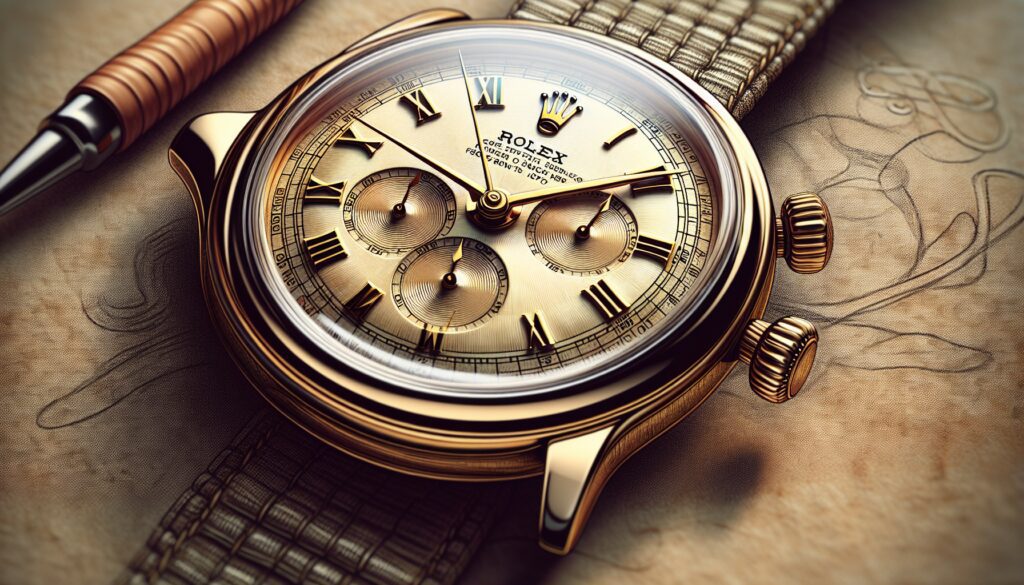
Luxury Watches

Should You Sell or Pawn Your Luxury Watch?

Knowing what your watch is worth can also help you decide what to do with it.

If you no longer wear the watch and don’t have an emotional attachment to it, selling may make sense.

But what if you need access to cash and don’t want to permanently give up your watch?

That’s where a pawn loan provides another option.

Instead of selling your watch, you may be able to use it as collateral for a loan. Once the terms of the pawn loan are satisfied, you can reclaim the watch.

R&J Jewelry & Loan considers many luxury-watch brands for both purchase and pawn loans, giving San Jose watch owners options depending on their individual needs.
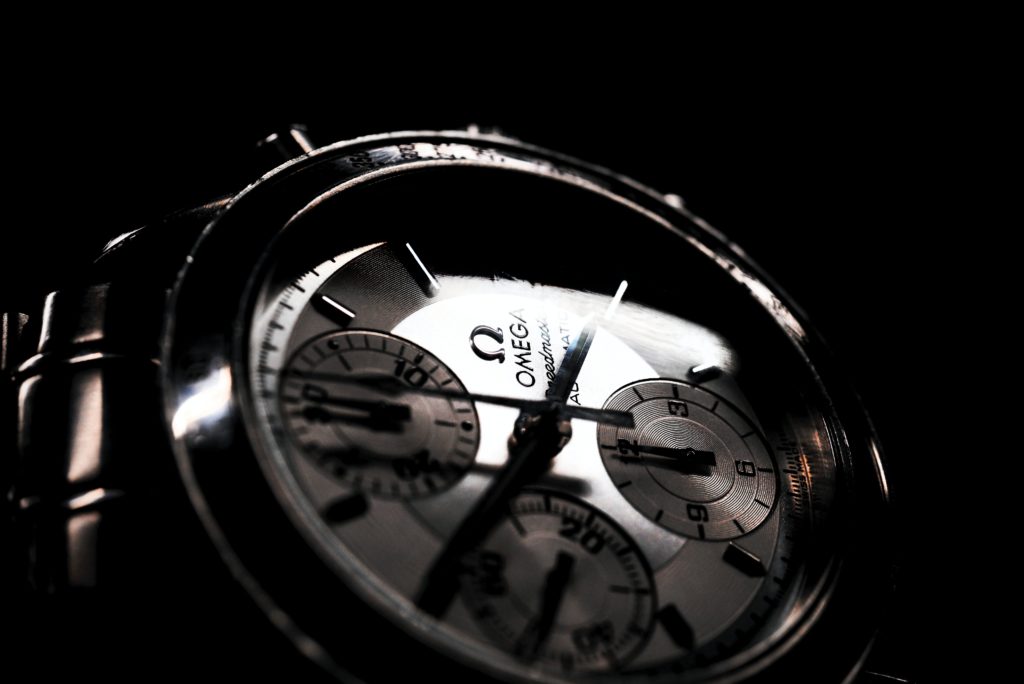
Luxury Watch Brand

Thinking About Buying a Pre-Owned Luxury Watch?

Understanding value isn’t only important for sellers.

It matters to buyers, too.

The pre-owned luxury-watch market can be an exciting place to shop. You may find discontinued models, different generations of popular watches, unusual configurations, or simply an opportunity to own a luxury timepiece without purchasing new.

But buying based on a photograph and a brand name isn’t enough.

Ask questions.

What is the exact model and reference? What is the condition? Are the components original? Does it have the box and papers? Has it been authenticated?

Working with knowledgeable professionals can make navigating the pre-owned market much easier.

Don’t Guess What Your Watch Is Worth

Perhaps the biggest mistake a luxury-watch owner can make is assuming they know what they have without getting an informed evaluation.

Maybe you’ve had a Rolex sitting in a safe for 15 years.

Maybe you inherited a Patek Philippe and know almost nothing about watches.

Perhaps you bought an Audemars Piguet years ago and are curious about today’s value.

Or maybe you simply want to trade one style for something different.

Whatever the reason, knowing the brand is only the beginning.

Model, reference, condition, originality, accessories, rarity, demand, authenticity, and current market conditions can all play a role in determining value.

luxury watch sell

Bring Your Fine Watch to R&J Jewelry & Loan in San Jose

R&J Jewelry & Loan has specialized knowledge of fine watches and an on-site watch appraiser with more than 20 years of experience. The business buys and makes loans on a wide variety of luxury brands and evaluates watches based on current market value.

That expertise matters when you’re dealing with something potentially worth thousands—or considerably more.

Instead of relying on an online estimate or trying to compare your watch to one that merely looks similar, have someone knowledgeable evaluate the actual timepiece.

Whether you want to buy a luxury watch, sell a fine watch, or pawn your watch for cash, R&J Jewelry & Loan can help you understand your options.

Visit R&J Jewelry & Loan

R&J Jewelry & Loan
1775 Story Rd #115
San Jose, CA 95122
(408) 770-9774

Have a Rolex, Patek Philippe, Audemars Piguet, Richard Mille, IWC, Vacheron Constantin, Grand Seiko, or another luxury watch?

Bring it to R&J Jewelry & Loan and let an experienced watch professional take a closer look.

Because when it comes to luxury watches, knowing exactly what you have is the first step toward knowing what it’s worth.
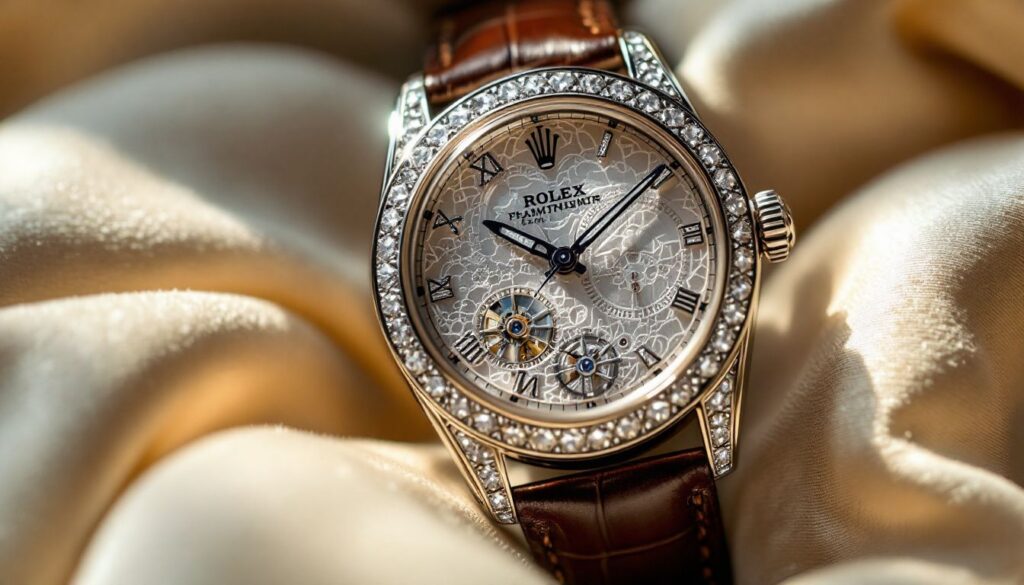
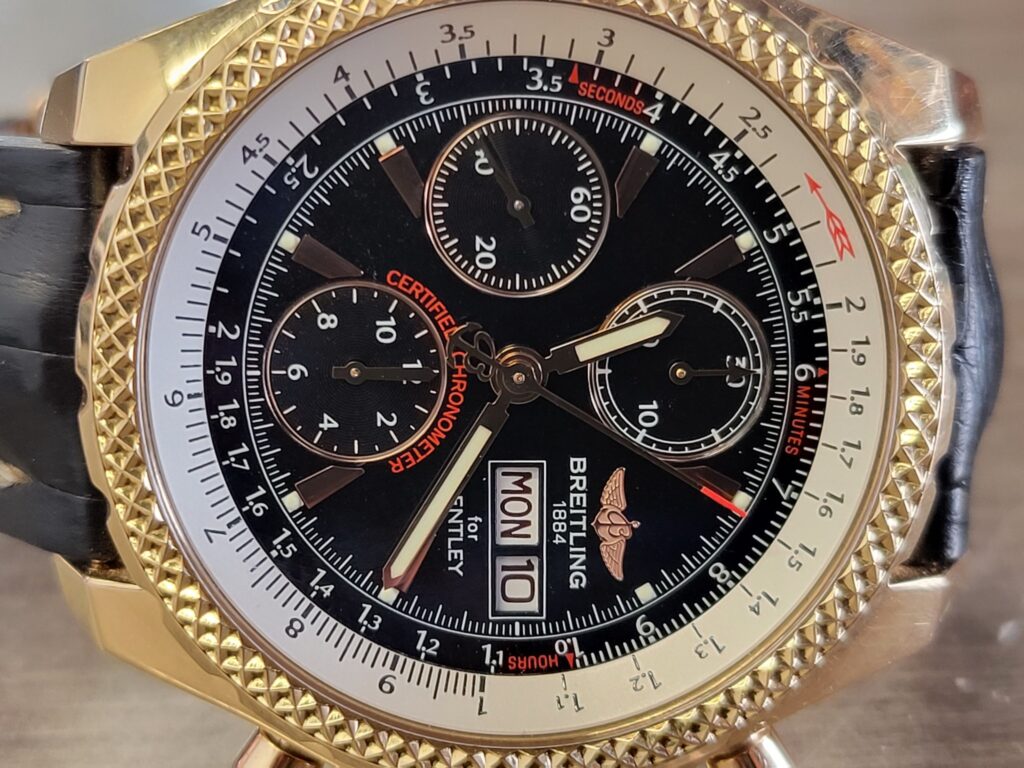
Designer Watches: How Proper Maintenance Protects Your Timepiece and Its Value

A designer watch is more than something you wear to tell time. For many owners, it represents craftsmanship, achievement, personal style, and sometimes even family history. A Rolex may commemorate a career milestone. A Cartier may have been an anniversary gift. A Patek Philippe might become an heirloom passed from one generation to the next.

And unlike many luxury purchases, a quality watch can retain significant value over time.

But there is an important catch: condition matters.

Whether you own a Rolex, Cartier, Patek Philippe, Audemars Piguet, IWC, Grand Seiko, Richard Mille, or another luxury timepiece, proper maintenance can play an important role in keeping your watch looking beautiful, operating correctly, and maintaining its desirability in the pre-owned market.

At R&J Jewelry & Loan in San Jose, California, fine watches are a specialty. Whether you’re looking to buy a pre-owned designer watch, sell one you no longer wear, or use your watch as collateral for a pawn loan, working with people who understand luxury watches can make the process much easier.

Before you decide what to do with your watch, however, it helps to understand how to take care of it.

Luxury Watch maintenance

Why Designer Watches Need Regular Care

Luxury watches are impressive pieces of engineering. A mechanical watch can contain hundreds of tiny components working together inside a relatively small case.

Those parts are designed for precision, but they aren’t maintenance-free.

Mechanical movements contain gears, springs, jewels, lubricants, seals, and other components that experience wear over time. Even watches known for durability should be properly maintained.

Think about a luxury watch the same way you might think about a high-end automobile. Quality engineering can make it reliable for decades, but ignoring maintenance isn’t the best way to protect your investment.

Maintenance can also matter if you eventually decide to sell or pawn the watch. Buyers and appraisers consider numerous factors when determining a watch’s value, and its overall condition is one of them.

Keep Your Watch Clean—but Be Careful

Everyday wear exposes your watch to more than you might realize.

Sweat, sunscreen, lotions, soap, dust, dirt, and oils from your skin can accumulate around the bracelet, clasp, bezel, case back, and other small spaces.

Regularly wiping your watch with a clean, soft microfiber cloth can help prevent buildup.

More extensive cleaning depends on the specific watch, bracelet, materials, and water-resistance rating. Don’t assume that because a watch was designed to be water resistant when new, it remains equally water resistant years later.

Gaskets and seals can deteriorate.

If you’re uncertain about your watch’s condition or water resistance, avoid soaking or submerging it until it has been professionally checked.

Vintage watches deserve particular caution. Water resistance on an older watch should never be assumed.

Luxury watch maintenance

Understand Your Watch’s Water Resistance

One of the most common misconceptions about watches involves water resistance.

A water-resistance rating doesn’t necessarily mean a watch can safely handle every water-related activity. There is a significant difference between exposure to a few drops of water and swimming, diving, showering, or spending hours in a pool.

Age also matters.

The seals responsible for helping keep moisture out can degrade over time. A watch that performed perfectly around water several years ago may need its seals inspected today.

Before taking a valuable watch swimming or exposing it to significant amounts of water, consider having its water resistance professionally tested.

Moisture inside a luxury watch can result in expensive damage.

Service Your Mechanical Watch When Needed

There isn’t one universal service schedule that applies to every luxury watch.

Recommended service intervals can vary by brand, model, movement, age, use, and manufacturer recommendations. Rather than automatically assuming your watch needs servicing every certain number of years, follow the manufacturer’s guidance and pay attention to how the watch is performing.

Signs that a watch may need professional attention include:

  • Gaining or losing more time than usual
  • Difficulty winding
  • Unusual sounds
  • Problems with the crown
  • A date or complication that isn’t functioning correctly
  • Moisture or condensation under the crystal
  • A noticeable change in power reserve

If something seems wrong, don’t keep forcing the crown, pushers, or other components. Have the watch evaluated by a qualified professional.

Don’t Over-Polish Your Watch

Everyone loves a watch that looks new, but when it comes to collectible luxury watches, “shinier” doesn’t always mean “more valuable.”

Polishing removes a very small amount of metal from a watch’s case or bracelet. When done properly and sparingly, it can improve appearance. Excessive or improper polishing, however, can soften edges and alter the original shape of the case.

For collectors, originality can be important.

This is particularly relevant with certain vintage and highly collectible watches.

Before polishing an older Rolex, Patek Philippe, Audemars Piguet, Cartier, or another valuable watch, consider speaking with a knowledgeable watch professional—especially if you’re thinking about selling it.

Sometimes the scratches and wear you want removed are part of the watch’s history, and leaving the watch alone may be the better decision.

Protect Your Watch From Hard Impacts

Luxury watches are designed to be worn, but they aren’t indestructible.

Dropping a watch onto a tile floor or striking it against a hard surface can damage more than the crystal. An impact can potentially affect the movement, crown, bezel, bracelet, or case.

Be particularly careful when participating in activities that involve repeated shock or vibration.

If your watch takes a serious hit and suddenly begins running differently, have it inspected.

Be Careful Around Magnets

Modern life surrounds us with electronics, speakers, magnetic clasps, accessories, and other objects that may contain magnets.

Some modern luxury watches are specifically engineered with strong magnetic resistance. Others—especially older mechanical watches—can be more susceptible.

Magnetism can affect the accuracy of a mechanical movement.

If your watch suddenly begins running dramatically faster or slower without an obvious explanation, magnetization could be one possibility. A watch professional can test for it.

Store Your Designer Watch Properly

If you rotate between several watches, proper storage is important.

Keep watches in a clean, dry, secure location where they’re protected from unnecessary moisture, direct sunlight, extreme temperatures, and accidental damage.

A watch box with individual compartments can help prevent watches and bracelets from rubbing against each other.

For valuable collections, security should also be considered. Depending on the size and value of your collection, a secure home safe or another protected storage solution may be appropriate.

And don’t forget about insurance. If you own particularly valuable watches, speak with your insurance professional about whether your existing coverage is adequate.

Keep the Box, Papers, Receipts, and Accessories

That box taking up room in your closet might be more important than you think.

When purchasing a designer watch, keep the original:

  • Box
  • Warranty card or papers
  • Purchase receipt
  • Service records
  • Manuals
  • Extra bracelet links
  • Tags and accessories

These materials can help establish the history of a watch and may make it more desirable when it’s eventually offered for sale.

Extra bracelet links are particularly easy to misplace. If your bracelet is resized, keep every link that is removed.

Years later, you may be glad you did.

Don’t Attempt Complicated Repairs Yourself

The internet makes almost everything look easy.

Watch repair isn’t.

Opening the case of a valuable luxury watch without proper training and equipment can cause damage and potentially compromise water resistance. The same applies to replacing internal parts, adjusting movements, removing bezels, or attempting aggressive polishing.

When you’re dealing with a watch worth thousands—or potentially tens of thousands—of dollars, professional service is usually worth the expense.

Maintenance Can Matter When Selling a Luxury Watch

Eventually, you may decide that a watch no longer fits your lifestyle.

Perhaps your collection has changed. Maybe you inherited a watch you don’t wear. You might want to upgrade to another model or simply turn an unused luxury asset into cash.

That’s when the condition and history of your watch can become especially important.

An experienced buyer will look at more than the brand name on the dial.

Brand, model, reference, age, authenticity, movement, condition, originality, market demand, bracelet condition, accessories, service history, and other factors can influence an offer.

This is one reason you shouldn’t automatically spend money repairing or polishing a watch immediately before selling it. In some cases, the buyer may prefer the watch in its current condition.

Before making significant changes, consider having the watch evaluated.

luxury watch sell

Thinking About Selling Your Watch in San Jose?

R&J Jewelry & Loan specializes in fine watches and luxury items and works with customers who want to sell their watches.

Instead of trying to determine the value of your watch based solely on online listings, you can bring it to professionals who understand the luxury-watch market.

An advertised price online doesn’t necessarily tell you what a watch is actually worth in today’s pre-owned market. Two watches that appear identical at first glance can have different values because of condition, reference number, production period, accessories, originality, and market demand.

A knowledgeable appraisal can help you better understand what you actually have.

Want to Pawn Your Designer Watch Instead?

Selling isn’t your only option.

Maybe you need access to cash but don’t want to permanently give up a watch you love.

A pawn loan allows you to use an eligible luxury watch as collateral rather than selling it outright.

R&J Jewelry & Loan considers luxury watches in good condition for pawn loans. The watch is evaluated, an offer is made based on its value and other relevant factors, and if you choose to proceed, the watch serves as collateral for the loan.

For someone who owns a valuable watch but wants to retain ownership, this can provide another option.

It can be particularly useful for people who have significant value sitting in a watch box but don’t necessarily want to sell their collection.

luxury watch maintenance

Looking to Buy a Pre-Owned Designer Watch?

The pre-owned market can also be an excellent place to shop for a luxury timepiece.

Buying pre-owned can open the door to models and brands that may otherwise be outside your budget. It can also provide opportunities to find discontinued references, unusual configurations, and watches with character and history.

But knowledge is essential.

Counterfeit luxury watches have become increasingly sophisticated. Some watches may also contain a combination of authentic and replacement or aftermarket components.

That’s why buying from knowledgeable professionals can provide added confidence.

R&J Jewelry & Loan specializes in fine watches and has experience with major luxury brands. If you’re shopping for your first designer watch or adding another piece to an established collection, their team can help you understand the watch you’re considering.

Luxury Watch Maintenance

R&J Jewelry & Loan: Fine Watch Experts in San Jose

When you’re dealing with a valuable timepiece, expertise matters.

R&J Jewelry & Loan specializes in fine watches and has an on-site watch appraiser with more than 20 years of experience. The shop works with contemporary and modern luxury watches and considers a wide range of fine-watch brands for purchase or pawn loans.

Whether you have a Rolex you’ve owned for 20 years, a Cartier you no longer wear, a Patek Philippe inherited from a family member, or another luxury timepiece, you don’t have to guess about your options.

You can talk with someone who works with fine watches regularly.

Take Care of Your Watch—and Know What It’s Worth

A designer watch can last for decades when properly cared for. Some become family heirlooms. Others become collectible assets. And sometimes a watch that has spent years sitting untouched in a drawer turns out to be worth considerably more than its owner expected.

Keep it clean. Protect it from unnecessary damage. Follow appropriate service recommendations. Save the box and paperwork. Be cautious about polishing and modifications.

And when you’re ready to buy, sell, or pawn a designer watch in San Jose, work with professionals who understand what you’re bringing through the door.

At R&J Jewelry & Loan, fine watches are a specialty. Their experienced team can evaluate your timepiece, explain your options, and help you decide what makes the most sense for you—whether that’s finding your next luxury watch, selling one you no longer wear, or using your watch as collateral for a pawn loan.

Your watch may do more than keep time.

Take care of it, protect its history, and understand its value.

Visit R&J Jewelry & Loan

R&J Jewelry & Loan
1775 Story Road #115
San Jose, CA 95122
(408) 770-9774

Buy, sell, or pawn fine watches with experienced professionals who understand the luxury-watch market.

Luxury Watches in San Jose: Timeless Craftsmanship, Real-World Value & Pawn-Loan Options

Luxury Watch

Introduction: Why Luxury Watches Matter in 2026

In a world dominated by screens and disposable tech, luxury watches stand apart as objects that marry timeless elegance with precision engineering and genuine investment value. San Jose is a strong luxury watch market due to affluent tech professionals, and the luxury watch market here is influenced by the tech industry more than almost any other metro in the country. Many luxury watch brands are available in San Jose, and comparative purchases are influenced by the area’s high buying power.

At R & J Jewelry & Loan, our family-owned San Jose shop – established in 1983 – lets clients buy, sell, or use luxury watches from brands like Rolex, Audemars Piguet, Patek Philippe, and Richard Mille as collateral for fast pawn loans. Our in-house watch professionals authenticate and evaluate every timepiece before a single dollar changes hands. In this article, you’ll learn how to choose the right luxury watch, understand what drives its value, and safely unlock cash from your collection when you need it.

The World of Luxury Watches: Heritage, Innovation, and Timeless Craftsmanship

Swiss watchmaking evolved from 19th-century pocket watches carried by railroad conductors and gentlemen into the modern wristwatches that defined 20th-century style. Today’s high-complication pieces – built with perpetual calendars, tourbillons, and minute repeaters – are a tribute to generations of artisanal expertise.

Luxury Watches

Timeless craftsmanship means hand-finished movements featuring Geneva stripes (Côtes de Genève), perlage on base plates, sharp anglage on bridge edges, and hand-applied indices – techniques manufactured in workshops that have barely changed in over a century. Patek Philippe has been safeguarding traditional watchmaking since 1839, and its production facility spans over 133,650 square meters dedicated to this art. The Royal Oak was first presented in 1972 by Audemars Piguet, pioneering the luxury sports steel watch category with its octagonal bezel and integrated bracelet – an iconic look shaped by celebrated designer Gérald Genta that you can explore further at the Musée Atelier Audemars Piguet, a museum dedicated to AP’s history and innovation.

Why do collectors in 2026 still favor mechanical over quartz? An automatic or manual-wind movement offers soul, long-term serviceability, and heritage that a battery-powered crystal simply cannot replicate. Mechanical watches accounted for roughly 71.9 % of the global luxury watch market by value in 2025, and that dominance continues. At R & J Jewelry & Loan, we regularly see Patek Philippe Calatravas, Rolex Submariners, and AP Royal Oaks – pieces that embody this craftsmanship – across our buying, selling, and pawn-loan operations.

Iconic Brands and Models: Rolex, Patek Philippe, Audemars Piguet & More

Certain brands dominate the luxury watch conversation because of their history, design code, and resale strength. Established brands typically retain better long-term value, and every wrist aficionado knows the names below.

Rolex – The crown of tool watches. Rolex watches feature in-house movements and high resale value, and models like the Submariner are celebrated for reliability. The Daytona chronograph, GMT-Master II, and Datejust round out a line of styles that hold strong secondary-market demand in San Jose – steel sport references often trade above $12,000 pre owned.

Patek Philippe – Patek Philippe has been crafting watches since 1839 and produces over 150 references in limited quantities, bringing exclusivity that serious collectors prize. The Nautilus (Ref. 5711/1A legacy), Aquanaut, and Grand Complications – perpetual calendars, minute repeaters – are sold at premiums that reflect both heritage and scarcity. Every person who walks into our shop with a Patek knows they hold something special.

Audemars Piguet – Audemars Piguet’s Royal Oak was first presented in 1972, designed by Gérald Genta, pushing boundaries with an octagonal bezel and exposed screws on a luxury steel watch. The Royal Oak Offshore was introduced in 1993 with a 42mm case, offering a bolder evolution in size, ceramic, and forged carbon. AP continues to find new ways to marry performance with design, with a clear focus on both.

Other major players worth knowing:

  • Richard Mille – Richard Mille’s RM 11-03 Chronograph features cutting-edge designs using ultra-light carbon and titanium, featured on wrists from Miami to New York.

  • Omega – Omega is known for its Speedmaster and Co-Axial movements; the Seamaster remains a gold standard among dive watches.

  • Cartier – Cartier combines jewelry craftsmanship with iconic watch designs like the Santos and Tank.

  • Breitling – Breitling is renowned for its aviation-focused watches and chronographs.

  • TAG Heuer – TAG Heuer is known for luxury sports watches and connections to motor racing.

  • Tudor – Tudor offers quality watches with vintage-inspired aesthetics at better value than its Rolex sibling brand.

  • Grand Seiko – Grand Seiko features Zaratsu polishing and a unique Spring Drive movement, a manufacturer that rivals Swiss finishing.

At R & J Jewelry & Loan, we buy, sell, and offer pawn loans on all these brands. Our inventory ranges from entry-level luxury in the low thousands to rare, high five-figure pieces for dedicated collectors.

How R & J Authenticates and Evaluates Luxury Watches

Authenticity and condition are everything in the luxury watch world. Luxury watches can be authenticated by trained experts, and our clients rely on us for accurate, honest assessments at every price point.

Our in-house process starts the moment a watch arrives:

  • Visual inspection – Watch experts inspect for brand authenticity and movement integrity. Trained professionals examine the dial, case, lugs, crown, hands, and bracelet under magnification, comparing fonts, logo placement, and finishing to known originals.

  • Movement verification – When appropriate, the caseback is opened to inspect the rotor, bridges, and engravings. Watches are inspected for brand authenticity and movement integrity down to the caliber level.

  • Serial and reference checks – Numbers verified against brand databases and known production ranges (e.g., Rolex serial ranges by year, Patek Philippe archives).

  • Metal testing – Industry-standard testing equipment verifies metals and components, including XRF analysis for gold, platinum, and steel content.

We also evaluate condition: polishing history, bezel wear, dial patina, water-damage signs, and bracelet stretch. Original parts versus aftermarket modifications – like non-factory diamond bezels or custom engravings – can reduce value by 30–70 %. Every watch we place in our showcases or loan against has passed this full authentication, and every offer is based on a transparent, documented evaluation. Learn more in our guide to luxury watch authentication.

Pawn Loans on High-End Luxury Watches in San Jose

A pawn loan is a short-term, collateral-based loan where your watch secures the funds – no credit check, no income verification. If you repay, you get your timepiece back. If you don’t, the pawnbroker may keep and resell it. It’s that straightforward.

Here’s how the experience works at R & J Jewelry & Loan:Bring in your watch – Rolex, Audemars Piguet, Patek Philippe, Richard Mille, or another luxury brand – or schedule a video call first for a preliminary estimate.

  1. Same-day evaluation – Our watch professionals authenticate and assess brand, model, condition, market demand, and metal value on-site.

  2. Receive your offer – We present a transparent loan amount and explain exactly how we arrived at it.

  3. Walk out with cash – Funds delivered the same day.

Under California Financial Code § 21200, pawnbrokers cannot charge more than 3 % per month on unpaid principal, and the minimum loan period is four months. You can redeem your watch anytime within that window by paying the balance due.

San Jose features a network of authorized dealers and brand boutiques, but long waitlists exist for high-demand sports watches in San Jose. A pawn loan lets you access liquidity without parting with a piece you waited months – or years – to acquire. Your watch is stored in a secure, insured vault while in our custody. Explore our high-dollar loan options for more details.

Buying a Pre-Owned Luxury Watch from R & J Jewelry & Loan

San Jose has a robust pre-owned market for high-value watches, and many buyers prefer pre owned watches for compelling reasons: better pricing than retail boutiques, access to discontinued references, and immediate availability without allocation waitlists.

In-store and virtual experience:

  • Visit our San Jose showroom to try on Rolex, Patek Philippe, Audemars Piguet, Omega, Cartier, and more – feel the weight, check the size on your wrist, and enjoy the selection firsthand.

  • Prefer to browse remotely? Call or schedule a video consultation to review details before you visit.

Condition and provenance are essential for pre-owned watches. Every piece in our inventory passes full authentication and timekeeping inspection. Luxury watch sales often require original boxes or documentation – when a watch comes with its original box, warranty card, or service history, we communicate that clearly, and those full sets can command 10–40 % premiums.

We also offer trade-in possibilities: sell or pawn an existing watch to help fund an upgrade. Our typical inventory spans entry-level luxury (Omega, Cartier, Tudor) in the low thousands, mid-range sport models (steel Rolex, AP Royal Oak) in the mid-five figures, and rare high-complication pieces for serious collectors.

Selling Your Luxury Watch: Maximizing Cash Offers in San Jose

There’s an important difference between pawning and selling. Pawning is a temporary loan – you keep ownership rights. Selling is a permanent transfer for immediate cash. When you no longer plan to wear or reclaim a piece, a sale maximizes your payout.

Preparing your watch before bringing it in:

  • Gather original box, warranty card, receipts, extra bracelet links, and service records.

  • Lightly clean the case – but avoid polishing, which can erase original edge definition.

  • Set the time and date to demonstrate functionality.

What drives high offers:

  • Brand and model desirability – steel sports Rolex, Royal Oak, and Patek Philippe Nautilus/Aquanaut command the strongest premiums.

  • Condition and originality – unmodified dials, original hands, minimal wear.

  • Current global demand and local San Jose market trends.

At R & J, we provide an in-person evaluation, a transparent explanation of our offer, and same-day payment. We’ll also present a pawn-loan alternative so you can compare and choose the option that fits your order of priorities. Call ahead or book a video consultation to get a preliminary sense of value before visiting.

How to Choose the Right Luxury Watch for Your Style and Budget

A luxury watch should fit your lifestyle, wrist, and financial comfort – not just follow trend hype. Luxury watches should be purchased for enjoyment primarily rather than as investments, and movement type is a crucial factor when purchasing a luxury watch.

Key decision points:

Factor

Options to Consider

Purpose

Daily wear, special occasions, investment-focused collecting

Style

Dress (Patek Calatrava), sport (Rolex Submariner), integrated bracelet (AP Royal Oak), avant-garde (Richard Mille)

Movement

Automatic, manual-wind, or quartz – each affects servicing, feel, and price

Complications

Date, chronograph, GMT, moonphase, perpetual calendar

Budget planning:

  • Under $5,000 – Tudor, Omega, entry Cartier, select pre owned Rolex

  • $5,000–$15,000 – Steel sport Rolex, modest AP or Patek references

  • $15,000+ – Precious metals, rare limited editions, high complications

Luxury watches often require periodic servicing every 3 to 5 years, so factor that ongoing cost into your decision. Visit R & J Jewelry & Loan to try multiple styles, talk with our watch professionals about fit and future resale, and find the timepiece that’s right for you. Our expertise is free – and so is every quote we offer.