What Is an Asset-Based Loan? Turn High-Value Items Into Cash Without Selling Them

Asset Based Loan

You may have more financial flexibility than you realize.

It could be sitting in your jewelry box.

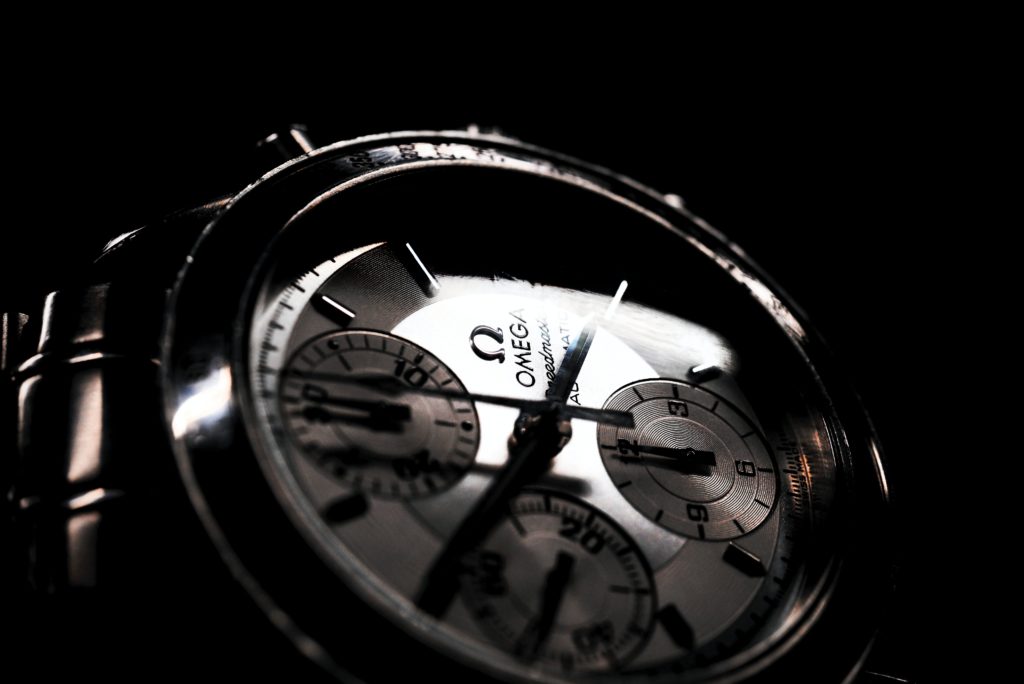
It might be on your wrist.

Maybe it is a luxury watch you only wear on special occasions, a diamond bracelet you inherited, a gold chain you’ve owned for years, or another high-value item that you don’t want to sell.

These possessions aren’t just things you own. They are assets—items with value that may be used to help you access cash when you need it.

At R&J Jewelry & Loan in San Jose, California, customers can leverage qualifying high-value personal assets as collateral for a loan. Instead of permanently selling something valuable, you may be able to borrow against its value and reclaim it after satisfying the terms of the loan.

It’s a simple concept: you already own the asset, so why not let its value work for you when you need cash?
asset based loan

What Is an Asset-Based Loan?

At its simplest, an asset-based loan is financing secured by something of value.

In the broader financial industry, the term “asset-based lending” is frequently associated with businesses borrowing against assets such as inventory, equipment, or accounts receivable.

For an individual visiting a pawn shop, the concept is similar but much simpler.

You bring in a qualifying valuable item you own. The item is evaluated, and its value helps determine how much money may be available to you.

In a pawn transaction, the item serves as collateral for the loan.

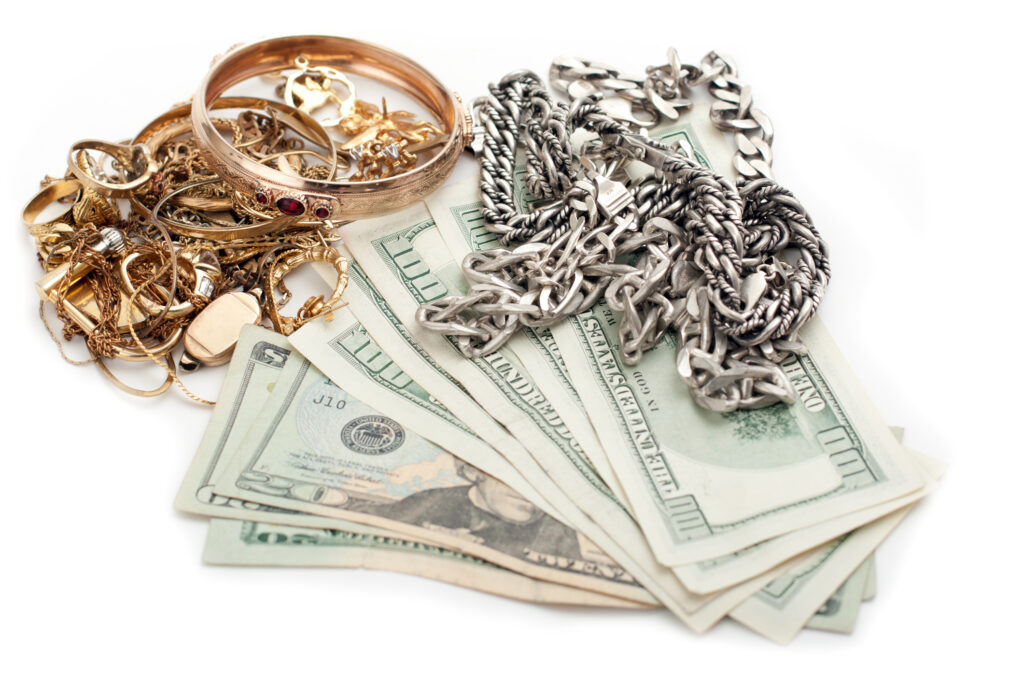
At R&J Jewelry & Loan, those assets might include high-value jewelry, gold, diamonds, luxury watches, and other desirable valuables.

Rather than asking, “How much can I borrow based on my paycheck?” the transaction starts with a different question:

“What is this asset worth?”

That distinction is what makes collateral lending useful for many customers.

Your Assets Can Be a Source of Liquidity

People sometimes think about wealth only in terms of the amount of cash in their checking or savings account.

But your financial picture can include much more than cash.

Imagine someone who owns a luxury watch worth thousands of dollars but has an unexpected expense due this week. The watch has value, but that value isn’t immediately available to pay a bill.

In financial terms, this is a question of liquidity.

Cash is liquid because you can spend it immediately. Jewelry, watches, gold, and diamonds have value, but that value is tied up in the physical asset.

A collateral loan can provide a way to temporarily convert some of that value into usable cash without requiring you to permanently sell the item.

That can be especially appealing when the asset is something you want to keep.

How Can You Leverage High-Value Jewelry?

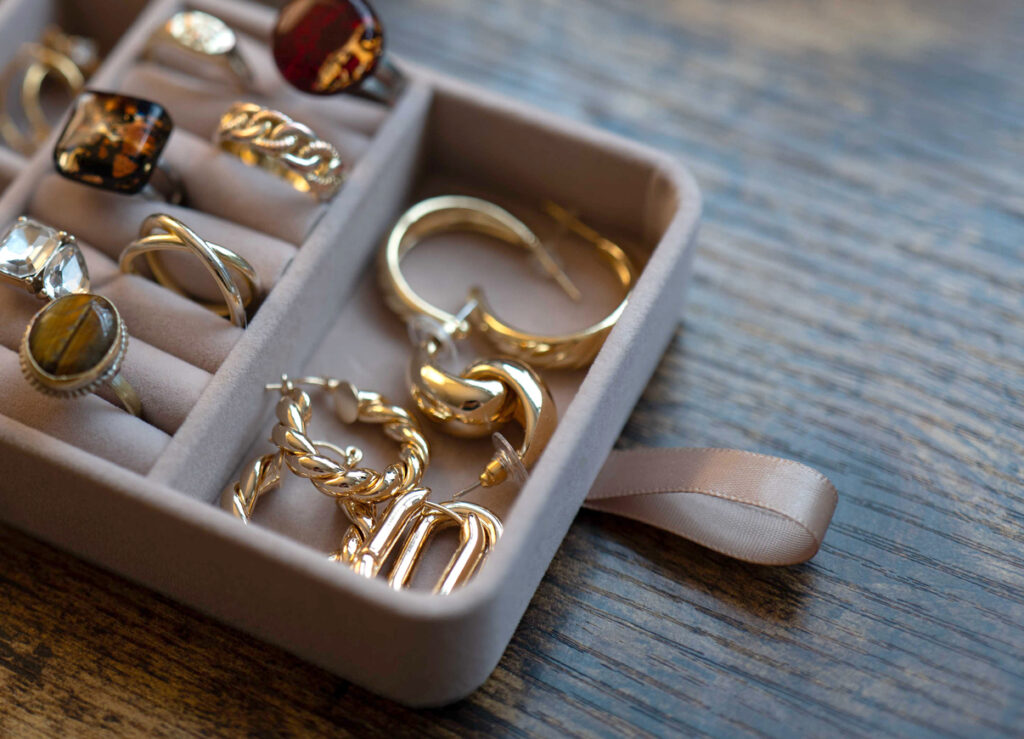
Fine jewelry can represent significant value, particularly when it contains precious metals, diamonds, or other desirable gemstones.

Consider what might be sitting unused in your jewelry collection.

Maybe you have a diamond tennis bracelet you haven’t worn in years.

Perhaps there’s an 18-karat gold necklace reserved for special occasions.

You might own a diamond ring, designer jewelry, a substantial gold chain, or inherited jewelry that you want to keep in the family.

Instead of selling that property when you need temporary cash, you may be able to use it as collateral.

The amount available will depend on the specific item and its value. Factors can include precious-metal content, weight, diamonds or gemstones, brand, condition, desirability, authenticity, and current market demand.

The important point is that you don’t necessarily have to sell a valuable possession simply because you need access to its value.

Luxury Watches Can Be Powerful Assets

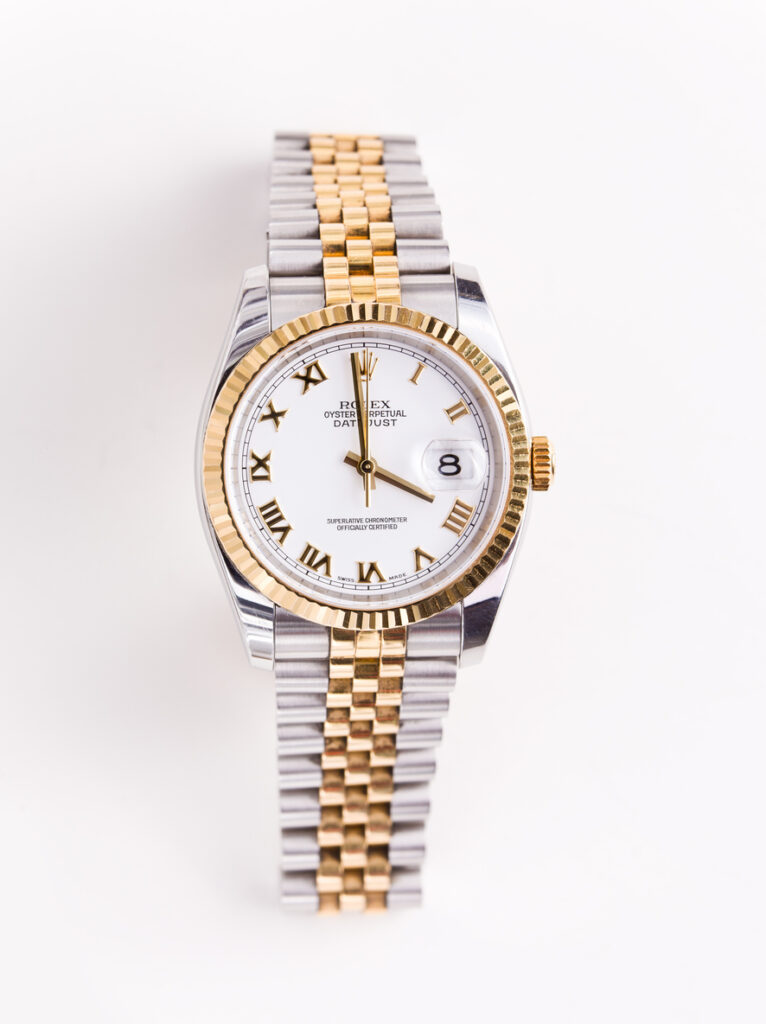
Luxury watches are another category that people sometimes underestimate.

Certain high-end watches can represent substantial stored value.

Depending on the brand and model, factors such as condition, age, rarity, market demand, authenticity, and completeness can all affect a watch’s value.

Original documentation can also be helpful.

If you have the box, papers, warranty card, receipt, service history, or extra bracelet links, bring them with you when having the watch evaluated.

For someone who owns a valuable watch but doesn’t want to permanently part with it, a collateral loan can provide an alternative to selling.

You can leverage the watch’s value for cash while retaining the opportunity to reclaim the watch after the loan is satisfied according to its terms.

That is especially important when a watch has sentimental value.

Maybe it was purchased to celebrate a career milestone.

Perhaps it was an anniversary gift.

Maybe it was inherited from a parent or grandparent.

Selling it may solve today’s financial need but create tomorrow’s regret.

Using it as collateral gives you another option.

Gold Is More Than Something You Wear

Gold is one of the oldest recognizable stores of value, yet many people have gold sitting around their homes without realizing what it may be worth.

Think about:

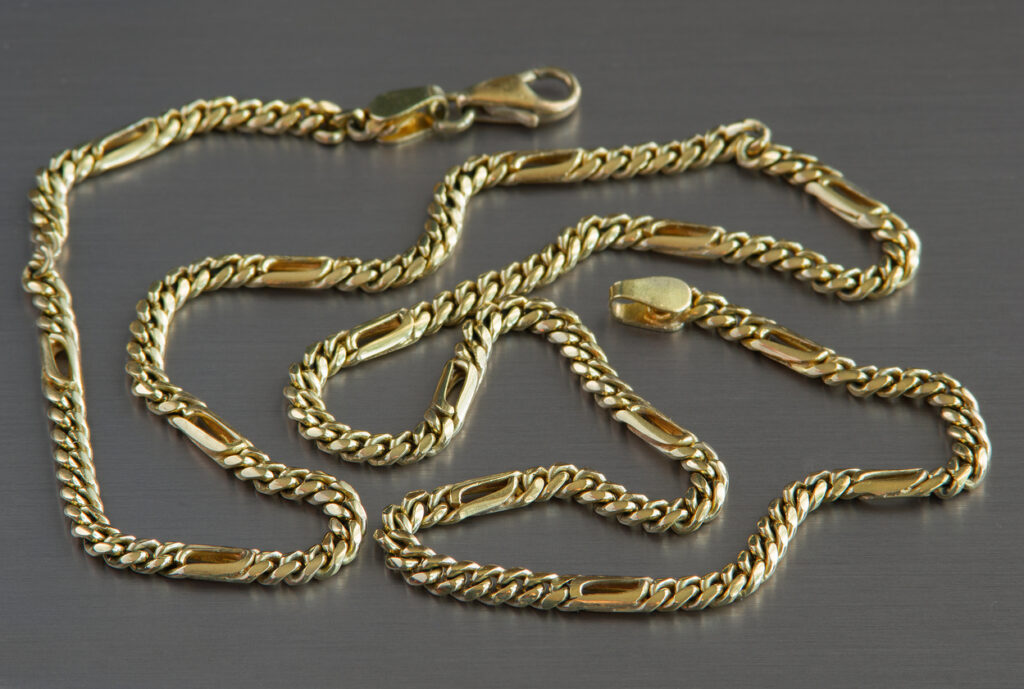
Gold chains.

Bracelets.

Rings.

Earrings.

Coins or other qualifying gold items.

Broken jewelry.

Single earrings.

Outdated pieces.

Even jewelry that is no longer fashionable may retain value because of its precious-metal content.

Gold prices fluctuate, so the value of a piece can change over time. Something purchased or inherited many years ago may be worth having professionally evaluated rather than simply guessing at its value.

At R&J Jewelry & Loan, an evaluation can help you better understand what you have and whether it could be used as collateral.

asset based loan

Why Would Someone Use an Asset-Based Collateral Loan?

There isn’t one typical pawn customer and there isn’t one reason someone might need short-term cash.

Life doesn’t always arrange expenses around payday.

You might have plenty of income coming in over the course of the month but still have a major expense that needs to be handled today.

For example, someone might use funds from a collateral loan for an unexpected vehicle repair.

Your car breaks down on Tuesday. You need it to get to work Wednesday. Waiting until your next paycheck may not be practical.

Another person might need cash for a home repair.

A broken appliance, plumbing problem, damaged HVAC system, or other unexpected issue can quickly become urgent.

Others may need temporary cash for business expenses.

A small-business owner might have money coming in from customers later in the month but need to purchase supplies or cover another immediate expense today.

There can also be travel expenses.

A family emergency may require a last-minute airline ticket, hotel stay, rental car, or long-distance trip that wasn’t part of the monthly budget.

Then there are seasonal expenses.

Back-to-school shopping, college expenses, holiday travel, gifts, family gatherings, weddings, graduations, and other events can create temporary gaps between available cash and current expenses.

Some customers may simply want short-term financial flexibility without permanently selling a valuable possession.

The reason is personal.

The underlying idea is the same: use an asset you already own to help address a current cash need.

Why Not Just Sell the Item?

Sometimes selling is the right choice.

If you have a valuable item you no longer use, need, or want, selling it may make perfect sense.

But selling is permanent.

That distinction matters.

Suppose you own a luxury watch that you’ve had for 15 years. You don’t wear it every day, but it means something to you.

You suddenly need $2,000 for an unexpected expense.

If you sell the watch, you receive cash—but the watch is gone.

If the item qualifies for a collateral loan, you may have another choice.

You can use the watch to secure the loan, address your immediate financial need, and have the opportunity to reclaim your property after satisfying the loan terms.

That’s the key difference between selling an asset and leveraging an asset.

Selling transfers ownership.

Leveraging allows the asset’s value to help provide liquidity while giving you the opportunity to retain ownership.
asset based loan

How Quickly Can You Access Cash?

One of the attractions of pawn lending is the straightforward evaluation process.

Unlike some traditional forms of borrowing, the focus is on the value of the property being pledged as collateral.

Bring your qualifying item to R&J Jewelry & Loan, where it can be examined and evaluated.

If R&J can make a loan offer and you decide to accept it, the transaction can generally be completed without the lengthy process associated with many conventional loans.

For someone facing a time-sensitive expense, that convenience can matter.

The plumbing problem doesn’t care when payday arrives.

Neither does the mechanic, airline, contractor, veterinarian, or unexpected bill.

Sometimes access to cash today is more useful than access to cash several weeks from now.

How Much Can You Borrow Against an Asset?

Owning an item that originally cost $10,000 doesn’t automatically mean you can borrow $10,000 against it.

Purchase price and current market value are different things.

A professional evaluation considers what the item is worth in today’s market.

For jewelry, that could include gold purity and weight, gemstone quality, condition, brand, and demand.

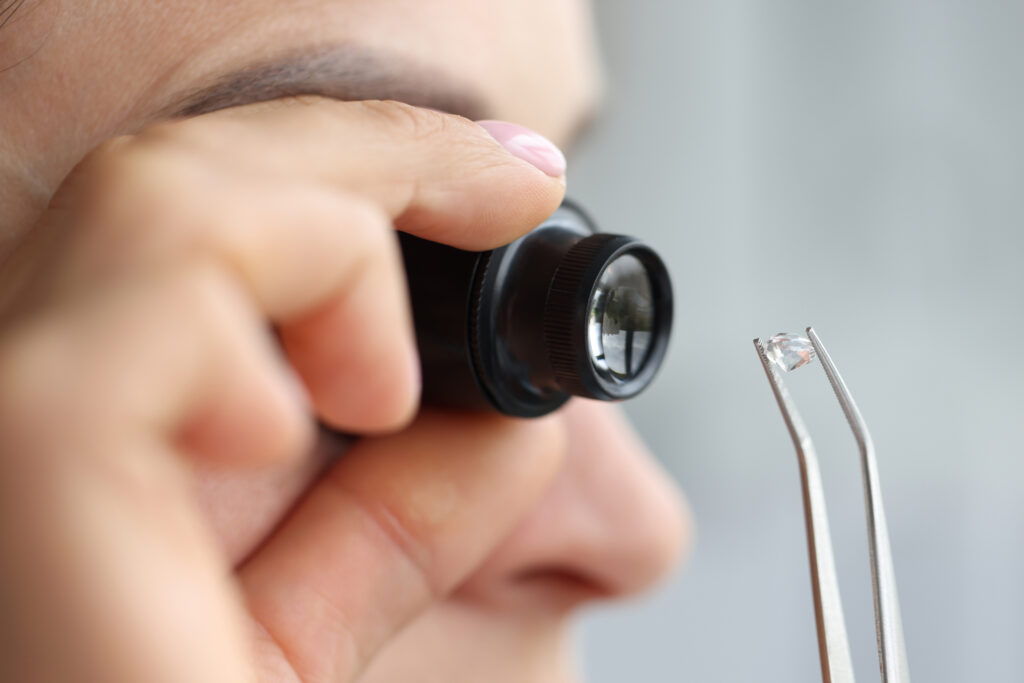
For diamonds, characteristics such as carat weight, cut, color, clarity, certification, and market conditions can matter.

For luxury watches, brand, reference, authenticity, condition, age, accessories, and current secondary-market demand can influence value.

This is why an in-person evaluation is important.

Online estimates can provide general information, but every high-value item is different.

What Should You Bring With You?

If you are considering using a valuable item as collateral, bring the item along with any documentation or accessories you have.

For a luxury watch, that might include the original box, warranty card, receipt, manuals, service records, and extra links.

For diamonds or fine jewelry, bring grading reports, appraisals, receipts, certificates, or other documentation if available.

Don’t worry if you don’t have every piece of paperwork.

You can still ask R&J Jewelry & Loan about having your item evaluated.

The first step is simply discovering what your asset may be worth.

pawn loan

Understand the Loan Before You Agree

Fast access to cash shouldn’t mean making a rushed financial decision.

Before entering into any collateral loan, understand the complete terms.

Ask questions.

How much are you borrowing?

What are the charges?

When is the loan due?

What will you need to pay to reclaim your property?

What happens if you don’t repay the loan according to its terms?

Make sure you’re comfortable with the answers before proceeding.

Your jewelry or watch may carry financial value, but it may also carry personal or sentimental value. If losing the item would be particularly difficult, factor that into your decision before using it as collateral.

Unlock the Value of What You Already Own

Sometimes financial flexibility isn’t about earning more money or opening another credit account.

It can start by looking at the assets you already have.

A diamond bracelet.

A luxury watch.

A gold necklace.

A high-end piece of jewelry.

These items may spend most of their lives sitting securely in a drawer, safe, or jewelry box. Yet each may represent stored value.

When an unexpected expense arises, that value may provide another financial option.

At R&J Jewelry & Loan in San Jose, customers can bring qualifying valuables in for evaluation and learn whether a collateral loan or outright sale makes more sense for their situation.

You don’t necessarily have to permanently sell something valuable to access some of the value it represents.

Sometimes, you can simply put that asset to work.

Discover What Your Valuables Could Do for You

If you own gold, diamonds, fine jewelry, luxury watches, or other high-value items, consider having them professionally evaluated.

Whether you need cash for an unexpected repair, business expense, travel, seasonal costs, or another short-term need, your assets may give you options you haven’t considered.

Visit R&J Jewelry & Loan in San Jose, California, and find out what your valuables may be worth.

You worked hard for what you own. When you need cash, those assets may be able to work for you.

Fall Expenses Adding Up? How a Collateral Loan Can Help

Pawn Loan

Fall has a way of arriving with a long list of expenses.

Summer vacations are over, kids are back in school, utility bills may be changing, and the holidays are suddenly much closer than they seemed a few weeks ago. Add unexpected car repairs, medical bills, home projects, travel, or everyday expenses, and your fall budget can start feeling stretched.

When you need access to cash, you may already own something that can help.

At R&J Jewelry & Loan in San Jose, California, customers can use valuable personal property as collateral for a short-term pawn loan. Gold, jewelry, diamonds, luxury watches, and other valuable items may provide a way to access cash without selling something you would rather keep.

For many people, that flexibility can be particularly useful during the busy fall season.


pawn loan

Why Fall Can Put Extra Pressure on Your Budget

September may mark the end of summer, but it often begins one of the busiest spending seasons of the year.

Back-to-school expenses can continue well beyond the first day of classes. Families may still be paying for clothing, technology, sports, extracurricular activities, school supplies, transportation, and fees.

Fall can also bring seasonal home and vehicle expenses. Your car may need maintenance before winter travel. Your home might need repairs or improvements before cooler weather arrives.

Then there are the holidays.

Halloween quickly leads into Thanksgiving, followed by Christmas, Hanukkah, New Year’s, travel, family gatherings, gifts, meals, and celebrations. Even when you plan ahead, there are times when your available cash doesn’t quite line up with when expenses are due.

That is one reason people consider a collateral loan from a pawn shop.

What Is a Collateral Loan?

A collateral loan, commonly called a pawn loan, is a loan secured by an item of value.

Instead of applying for an unsecured personal loan, you bring an item you own to R&J Jewelry & Loan. A pawnbroker evaluates the item and determines how much can be offered based on factors such as its condition, desirability, authenticity, and current market value.

If you accept the loan, the item is securely held as collateral while the loan is active.

You receive your item back when the loan is repaid according to the terms of your agreement.

The process is straightforward because the value of the loan is based primarily on the property being pledged.

Why Consider a Pawn Loan This Fall?

Different financial situations require different solutions. A pawn loan won’t be the right choice for everyone, but there are several reasons someone might consider one.

One of the biggest is speed.

When an expense appears unexpectedly, waiting days for a traditional loan decision may not be practical. Pawn loans can often be completed quickly because the item itself secures the transaction.

There is also something reassuring about using an asset you already own.

You may have a gold bracelet you rarely wear, a luxury watch sitting safely in a drawer, or jewelry that has significant value but that you don’t want to permanently sell.

A collateral loan allows you to put that item’s value to work temporarily while retaining the opportunity to reclaim it.

What Can You Pawn at R&J Jewelry & Loan?

The amount you may be able to borrow depends heavily on the item you bring in.

At R&J Jewelry & Loan, valuable items may include:

Gold Jewelry

Gold remains one of the most recognizable forms of value. Rings, necklaces, bracelets, chains, earrings, and other pieces may have loan value based partly on their gold content.

Even jewelry that is broken, outdated, mismatched, or rarely worn may have value.

Diamonds and Fine Jewelry

Diamond jewelry may also be considered for a collateral loan. Factors such as the diamond’s carat weight, cut, color, clarity, setting, and overall marketability can affect its value.

If you own fine jewelry that you don’t want to sell permanently, pawning it may provide another option.

Luxury Watches

A quality watch can be much more than a way to tell time.

Certain luxury and high-end watches can hold significant value, particularly desirable models from respected manufacturers. Brand, model, age, condition, authenticity, current demand, and whether you have the original box and paperwork may all influence the amount offered.

If you have a luxury watch you aren’t currently wearing, it could potentially provide access to cash while allowing you to reclaim the watch after repaying the loan.

Other Valuable Items

Depending on the item and current market demand, other valuables may also qualify. If you aren’t sure whether something can be used as collateral, contact R&J Jewelry & Loan or bring it in for an evaluation.

Gold

Gold Can Be Especially Interesting During Changing Markets

If you own gold, you’ve probably noticed that its value isn’t static.

Gold prices move with global markets, economic conditions, interest rates, currency movements, investor sentiment, and other factors. That means a piece of gold jewelry that you’ve owned for years may be worth considerably more—or less—than you assume.

This is why professional evaluation matters.

A pawnbroker can look beyond the appearance of a piece and evaluate characteristics that contribute to its value.

Don’t automatically assume an older or broken piece of jewelry isn’t valuable.

That tangled chain in your jewelry box may still contain valuable gold. A single earring may have lost its match, but the remaining earring still contains precious metal. A broken bracelet or outdated ring may also have value.

Before dismissing an item, consider having it evaluated.

Pawn It or Sell It?

This is an important question.

If you no longer want an item, selling may make sense. You exchange the item for cash and the transaction is complete.

But what if the item means something to you?

Perhaps the watch was a graduation gift. Maybe your gold bracelet was purchased to celebrate an anniversary. Your diamond ring could be a family piece you hope to pass down someday.

In those situations, permanently selling the item simply because you need temporary cash may not be appealing.

That’s where a collateral loan is different.

You aren’t necessarily saying goodbye to your property. You are using its value temporarily to secure a loan.

Once you repay the loan according to its terms, you can take your item home again.

Fall Home Projects and Repairs

In San Jose and throughout the Bay Area, fall can be a good time to tackle projects that were postponed during summer.

Maybe the water heater needs attention. Perhaps you’re finally fixing an appliance, replacing tires, servicing the car, or completing a home project.

The frustrating thing about repairs is that they rarely arrive at the perfect financial moment.

If you have valuable property available, a collateral loan may provide short-term cash to help handle an expense without immediately turning to other borrowing options.

Before accepting any loan, however, make sure you understand the cost, repayment terms, and due dates. Borrow only what makes sense for your situation.

Getting Ready for Holiday Expenses

Fall also provides an opportunity to prepare before the holiday rush begins.

Waiting until December to think about holiday spending can put unnecessary pressure on your budget. September, October, and November give you time to look at upcoming expenses and decide how you’ll handle them.

Make a list of anticipated costs, including:

  • Gifts
  • Holiday meals
  • Travel
  • Airfare or gasoline
  • Hotel stays
  • Decorations
  • Family activities
  • School events
  • End-of-year bills

Then separate necessities from optional spending.

If you determine that you need temporary additional cash, look at the resources already available to you—including valuable property you may be able to use as collateral.

Planning ahead can make a major difference.

evaluation

How to Get the Best Possible Evaluation

If you decide to bring an item to R&J Jewelry & Loan, a little preparation can help.

For jewelry, bring any documentation you have, particularly paperwork related to diamonds or other valuable gemstones.

For luxury watches, bring the original box, warranty card, receipts, service records, extra links, manuals, and other accessories if you still have them. A complete set can sometimes make an item more desirable.

You don’t need to make an older item look brand new. In fact, aggressive DIY cleaning can sometimes cause damage. If you’re unsure how to clean a valuable piece, it’s usually better to leave it alone and let an experienced professional evaluate it as-is.

Most importantly, bring the item in and ask questions.

Knowing what you own is the first step toward making an informed decision.

A Local Option for San Jose

When money gets tight, it can be tempting to make a quick financial decision without comparing your choices.

Take a moment to understand your options.

A collateral loan can be useful because you’re borrowing against property you already own. But, like any financial transaction, you should understand the terms before agreeing to it.

Ask how much you’re receiving, what fees and charges apply, when repayment is due, what happens if you need additional time, and what is required to reclaim your property.

A reputable pawnbroker should be willing to explain the transaction clearly.

At R&J Jewelry & Loan, customers in San Jose and the surrounding Bay Area can bring in valuables for professional evaluation and learn what options may be available.

pawn loan

Your Jewelry Box May Hold More Than Memories

One of the most interesting things about personal property is how easily we forget its financial value.

Jewelry gets tucked into drawers.

Watches sit in boxes.

Gold chains go unworn.

Diamond pieces are saved for special occasions that rarely arrive.

Over time, these items can become part of the background of our lives. But they may still represent real value.

If fall expenses have arrived faster than expected, take a look at what you already own.

You may have options you haven’t considered.

Make Fall Financially Manageable

Fall should be a season to enjoy—the return of cooler evenings, football games, family activities, autumn celebrations, and anticipation of the holidays.

Financial stress can make those moments harder to appreciate.

If you’re facing a temporary cash shortage, a collateral loan may be one option worth exploring.

Gold, jewelry, diamonds, luxury watches, and other valuable property may be able to help you access the cash you need without permanently giving up an item you want to keep.

The key is understanding what your property is worth and choosing the option that works best for your circumstances.

R&J Jewelry & Loan in San Jose, CA can evaluate your valuables, explain your loan or selling options, and help you make an informed decision.

This fall, don’t overlook the value you may already have.

That watch in your drawer, gold chain in your jewelry box, or diamond piece you haven’t worn in years could provide more financial flexibility than you realize.

Visit R&J Jewelry & Loan in San Jose

Have gold, diamonds, jewelry, or a luxury watch you’re considering pawning or selling?

pawn loan

Bring it to R&J Jewelry & Loan for an evaluation. Whether you’re looking for temporary cash through a collateral loan or you’re ready to sell something you no longer need, understanding its value is the best place to start.

Fall expenses don’t always wait for payday. Your valuables may give you another option.

If you own a luxury watch, you’ve probably wondered at some point: What is my watch actually worth?

It’s a simple question with a surprisingly complicated answer.

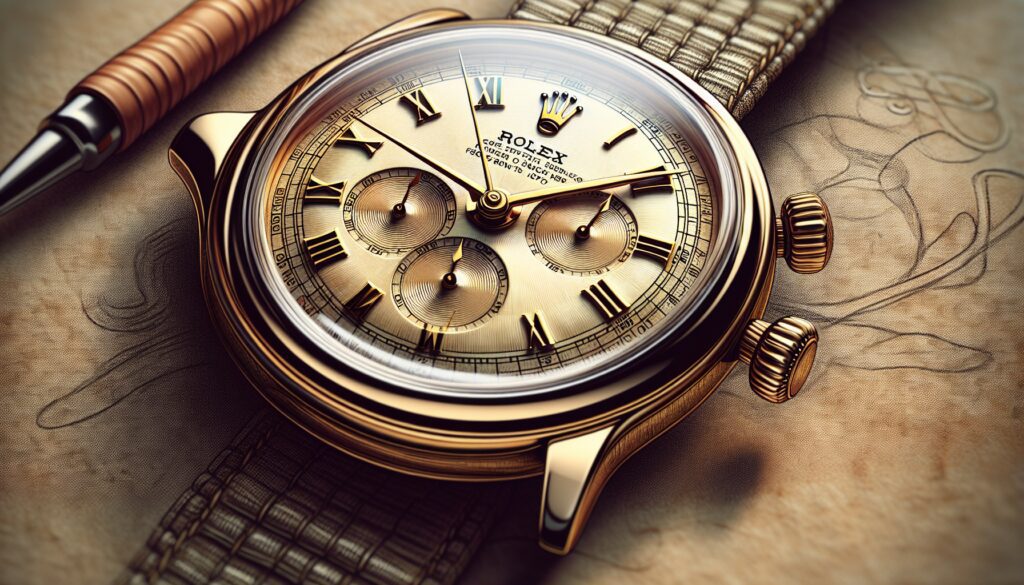
Two Rolex watches can look similar but have dramatically different values. An older watch isn’t necessarily worth less than a newer one. A scratched watch might still be highly desirable. Even something as simple as having the original box, warranty card, and extra bracelet links can potentially affect what a buyer is willing to pay.

At R&J Jewelry & Loan in San Jose, California, luxury watches are a specialty. R&J buys, sells, and makes pawn loans on many fine-watch brands, including Rolex, Patek Philippe, Audemars Piguet, IWC, Vacheron Constantin, Richard Mille, Grand Seiko, Jaeger-LeCoultre, and others.

So, what goes into determining the value of a luxury watch?

Here are some of the biggest factors.

1. Brand Matters—but It Isn’t Everything

The name printed on the dial is one of the first things people notice, and brand certainly matters in the luxury-watch market.

Some manufacturers have spent generations building reputations for craftsmanship, innovation, exclusivity, and prestige.

Rolex is perhaps one of the most recognizable examples. Patek Philippe is known for high-end watchmaking and complicated mechanical movements. Audemars Piguet has developed an enormous following among collectors, while brands such as Vacheron Constantin, Richard Mille, IWC, Cartier, and Jaeger-LeCoultre each have their own place in the luxury market.

But don’t assume that every watch from a particular manufacturer has the same value.

The exact model can matter tremendously.

2. The Model and Reference Number Can Make a Big Difference

Knowing that you own a Rolex is only the beginning.

Which Rolex?

A Submariner, Daytona, GMT-Master, Datejust, Explorer, and Day-Date are very different watches. Within those collections are different reference numbers, metals, dial configurations, bezels, bracelets, and production periods.

Collectors can become incredibly specific about what they want.

Sometimes a seemingly minor variation can make one watch more desirable than another.

That’s why accurately identifying a luxury watch is so important when determining its value.

If you aren’t sure exactly what you own, don’t guess based on photos you find online. A professional evaluation can provide a much better starting point.

3. Condition Plays an Important Role

Condition is one of the most obvious factors affecting the value of a pre-owned watch, but there’s more to condition than scratches.

An experienced watch buyer may consider the condition of the:

  • Case
  • Crystal
  • Dial
  • Hands
  • Bezel
  • Crown
  • Bracelet
  • Clasp
  • Movement
  • Internal components

Normal signs of wear aren’t necessarily a deal breaker. Luxury watches are meant to be worn, and a watch doesn’t have to look brand new to have significant value.

In fact, owners should be cautious about trying to make an older watch look new immediately before selling it.

Excessive polishing can alter the original lines and edges of a watch case. Replacement parts can also affect collectibility.

Before investing in cosmetic work because you’re planning to sell, consider having the watch evaluated in its current condition.

4. Originality Can Be Extremely Important

Collectors often care about originality.

An older watch with its original dial, hands, bezel, bracelet, crown, and other components may be more desirable than one that has undergone numerous modifications.

That doesn’t mean every replacement part destroys a watch’s value. Watches require maintenance, and components sometimes need to be replaced.

But when dealing with collectible watches, originality can become an important part of the valuation.

Aftermarket modifications deserve special attention.

Diamond bezels, custom dials, aftermarket bracelets, and other modifications may appeal to an individual owner, but they don’t automatically increase resale value simply because money was spent on them.

Sometimes the opposite can be true.

This is why it’s helpful to speak with someone who understands the pre-owned watch market before assuming a modification makes your watch more valuable.

5. The Box and Papers Can Add Value

Remember that watch box tucked away in your closet?

Don’t throw it out.

Original accessories can be important when selling a fine watch.

If you still have them, gather the:

  • Original box
  • Warranty card or certificate
  • Manuals and booklets
  • Original sales receipt
  • Service documentation
  • Hang tags
  • Extra bracelet links
  • Other original accessories

R&J Jewelry & Loan specifically notes that having the original certificate, hang tags, booklets, and box may help them offer more for a fine watch.

Why?

These items help create a more complete package and can provide useful information about the watch’s history and provenance.

A “full set” can be particularly attractive to collectors.

That doesn’t mean your watch has no value without the box and papers. Many valuable watches no longer have their original packaging or documents.

Bring it in anyway.

6. Rarity and Production Can Influence Demand

Scarcity can have a major influence on collectible items.

A watch produced in enormous numbers may be easier to find on the secondary market than a discontinued reference or unusual configuration.

Collectors may seek particular:

  • Dial colors
  • Case materials
  • Bezels
  • Production years
  • Limited editions
  • Discontinued references
  • Complications
  • Bracelet styles

But rarity by itself doesn’t guarantee value.

Something can be rare because few people wanted it.

The sweet spot occurs when rarity meets demand.

When many collectors want a watch and relatively few examples are available, values can rise.

7. Market Demand Changes

Luxury watches have a secondary market, and that market changes.

Certain brands, models, dial colors, sizes, and styles may become more or less popular over time.

That means the value you found online two years ago may not accurately represent what someone would pay today.

It also explains why online asking prices should be viewed cautiously.

Suppose you search for your watch and see one listed for $20,000.

Does that mean yours is worth $20,000?

Not necessarily.

A listing tells you what a seller is asking. It doesn’t necessarily tell you what comparable watches are actually selling for.

Condition, accessories, authenticity, reference number, location, dealer costs, and other factors also come into play.

R&J evaluates fine watches based on current market value rather than simply relying on a random online listing.

8. Service History Can Help Tell the Watch’s Story

Luxury watches are precision instruments and require proper care.

If you’ve maintained your watch and saved your service documentation, bring those records with you when having it evaluated.

Service history can help explain what work has been performed and whether components have been replaced.

However, don’t rush out and pay for a complete service simply because you’re considering selling.

Depending on the watch, its age, and the collector market, it may make more sense to have the watch evaluated first.

Let an expert look at what you have before making major changes.

9. Authenticity Is Essential

Unfortunately, the popularity and value of designer watches have created a sophisticated counterfeit market.

Fake watches aren’t always obvious.

Some counterfeits can look convincing to someone who isn’t familiar with a particular brand. There are also watches sometimes referred to as “Frankenwatches,” which can contain combinations of authentic and non-original components.

Authentication can involve examining numerous details, including the movement, reference and serial information, dial, case, bracelet, finishing, weight, materials, and construction.

This is one reason expertise matters when you’re buying or selling a pre-owned luxury watch.

At R&J Jewelry & Loan, inspections and appraisals are performed in the shop by an experienced watch expert, and the company says customers can see what the appraiser is examining during the process.

10. Provenance Can Sometimes Matter

Every watch has a story.

In some cases, that story can contribute to desirability.

A watch with documented historical significance, an unusual ownership history, or particularly strong provenance may attract additional collector interest.

For the average luxury-watch owner, provenance may simply mean having a clear history of ownership, original purchase documentation, and service records.

The more you know about your watch, the better.

If you’ve inherited a watch, don’t discard old paperwork because it looks outdated. Those documents may help tell the story of the timepiece.

Luxury Watches

Should You Sell or Pawn Your Luxury Watch?

Knowing what your watch is worth can also help you decide what to do with it.

If you no longer wear the watch and don’t have an emotional attachment to it, selling may make sense.

But what if you need access to cash and don’t want to permanently give up your watch?

That’s where a pawn loan provides another option.

Instead of selling your watch, you may be able to use it as collateral for a loan. Once the terms of the pawn loan are satisfied, you can reclaim the watch.

R&J Jewelry & Loan considers many luxury-watch brands for both purchase and pawn loans, giving San Jose watch owners options depending on their individual needs.

Luxury Watch Brand

Thinking About Buying a Pre-Owned Luxury Watch?

Understanding value isn’t only important for sellers.

It matters to buyers, too.

The pre-owned luxury-watch market can be an exciting place to shop. You may find discontinued models, different generations of popular watches, unusual configurations, or simply an opportunity to own a luxury timepiece without purchasing new.

But buying based on a photograph and a brand name isn’t enough.

Ask questions.

What is the exact model and reference? What is the condition? Are the components original? Does it have the box and papers? Has it been authenticated?

Working with knowledgeable professionals can make navigating the pre-owned market much easier.

Don’t Guess What Your Watch Is Worth

Perhaps the biggest mistake a luxury-watch owner can make is assuming they know what they have without getting an informed evaluation.

Maybe you’ve had a Rolex sitting in a safe for 15 years.

Maybe you inherited a Patek Philippe and know almost nothing about watches.

Perhaps you bought an Audemars Piguet years ago and are curious about today’s value.

Or maybe you simply want to trade one style for something different.

Whatever the reason, knowing the brand is only the beginning.

Model, reference, condition, originality, accessories, rarity, demand, authenticity, and current market conditions can all play a role in determining value.

pawn loan

Bring Your Fine Watch to R&J Jewelry & Loan in San Jose

R&J Jewelry & Loan has specialized knowledge of fine watches and an on-site watch appraiser with more than 20 years of experience. The business buys and makes loans on a wide variety of luxury brands and evaluates watches based on current market value.

That expertise matters when you’re dealing with something potentially worth thousands—or considerably more.

Instead of relying on an online estimate or trying to compare your watch to one that merely looks similar, have someone knowledgeable evaluate the actual timepiece.

Whether you want to buy a luxury watch, sell a fine watch, or pawn your watch for cash, R&J Jewelry & Loan can help you understand your options.

Visit R&J Jewelry & Loan

R&J Jewelry & Loan
1775 Story Rd #115
San Jose, CA 95122
(408) 770-9774

Have a Rolex, Patek Philippe, Audemars Piguet, Richard Mille, IWC, Vacheron Constantin, Grand Seiko, or another luxury watch?

Bring it to R&J Jewelry & Loan and let an experienced watch professional take a closer look.

Because when it comes to luxury watches, knowing exactly what you have is the first step toward knowing what it’s worth.