After the Fourth of July: Why the Months Ahead Are One of the Best Times to Visit R&J Jewelry & Loan

Fourth of July

The fireworks have faded, the grills have cooled down, and another Fourth of July is in the books. While summer is still in full swing, the weeks after Independence Day often mark the beginning of a busy financial season for many families. Vacations continue, kids begin preparing to head back to school, and holiday planning is closer than most people realize.

For many people, the months between July and the end of the year seem to fly by. Smart planning today can make those busy months much less stressful, and that’s where R&J Jewelry & Loan comes in. Whether you need a fast pawn loan, are looking for incredible deals on jewelry, want to sell unwanted valuables, or simply enjoy treasure hunting, your local pawn shop can become one of your best financial resources.

Here’s what you can expect during the second half of the year and why now is an excellent time to visitR&J Jewelry & Loan.

fourth of july

Summer Isn’t Over—But Financial Planning Should Already Be Starting

Many people think financial pressure begins during the holidays, but in reality it often starts much earlier.

After July 4th, families begin facing expenses like:

  • Back-to-school shopping
  • School sports and activity fees
  • College expenses
  • Fall home projects
  • Vehicle maintenance before winter
  • Family vacations
  • Unexpected medical expenses
  • Early holiday planning

Instead of relying on high-interest credit cards or personal loans, many people discover that a pawn loan offers a simple alternative.

Why Pawn Loans Make Sense

One of the biggest misconceptions about pawn loans is that they’re only for people experiencing financial hardship.

The truth is that customers use pawn loans for many different reasons.

A pawn loan allows you to borrow money using something valuable as collateral. Common items include:

  • Gold jewelry
  • Diamond jewelry
  • Luxury watches
  • High-end tools
  • Electronics
  • Musical instruments
  • Precious metals

Unlike traditional loans, there are:

  • No credit checks
  • No lengthy applications
  • No impact on your credit score if you choose not to redeem your item
  • Fast approval, often within minutes

Your valuables remain safely secured while your loan is active, and once the loan is repaid according to the agreement, your item is returned.

Many customers appreciate having access to fast cash without selling something they love.

Fourth of July

Back-to-School Season Arrives Faster Than You Think

July quickly turns into August, and suddenly families are purchasing:

  • Laptops
  • Tablets
  • School supplies
  • Clothing
  • Sports equipment
  • Dorm essentials

These costs can add up quickly.

A pawn loan gives families breathing room without requiring them to take on long-term debt.

Others choose to sell items they no longer use to generate extra cash before school starts.

Either option provides flexibility during one of the busiest shopping seasons of the year.

Turn Unused Jewelry Into Cash

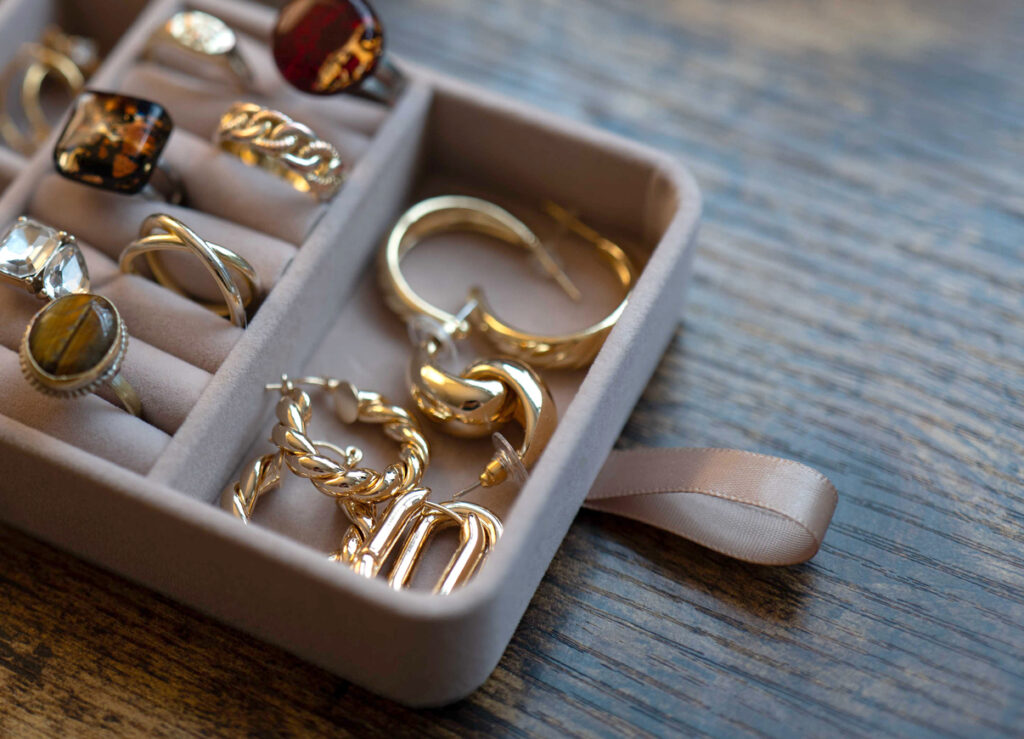
Many households have jewelry boxes filled with pieces that are never worn.

You may have:

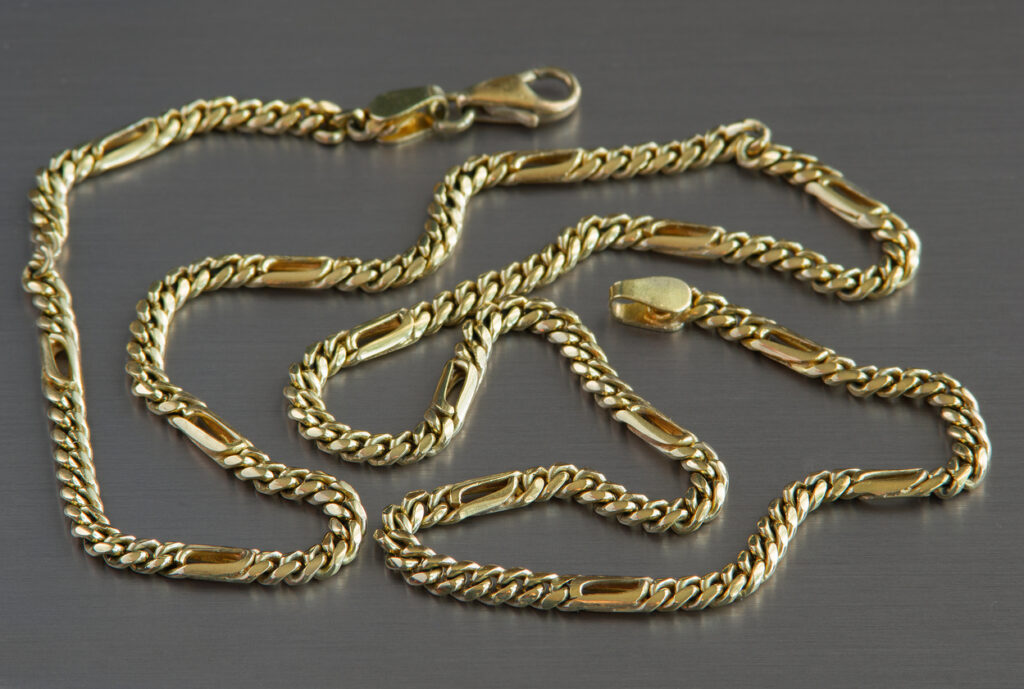
  • Broken gold chains
  • Single earrings
  • Outdated rings
  • Old class rings
  • Unwanted bracelets
  • Gold necklaces
  • Estate jewelry
  • Scrap gold

Instead of allowing these items to collect dust, consider bringing them to R&J Jewelry & Loan for an evaluation.

Gold prices have remained historically strong in recent years, making this an excellent opportunity to see what your jewelry may be worth.

Even pieces that are broken or missing stones may still have significant value because of their precious metal content.

Many customers are surprised by how much cash they receive from items they thought had little value.

fourth of july

Buying Jewelry From a Pawn Shop Makes Smart Financial Sense

The months after July 4th are also a great time to shop for jewelry.

Many shoppers don’t realize that pawn shops offer one of the best selections of quality jewelry available.

Unlike traditional retail jewelry stores, pawn shops feature constantly changing inventory.

Every visit is different.

You may discover:

  • Diamond engagement rings
  • Wedding bands
  • Gold chains
  • Designer jewelry
  • Gemstone rings
  • Luxury watches
  • Earrings
  • Bracelets
  • Pendants

Because many pieces are pre-owned, customers often save hundreds—or even thousands—of dollars compared to traditional retail pricing.

That means your budget stretches much further.

Looking Ahead to Proposal Season

While it may seem early, engagement season isn’t far away.

Many proposals happen during:

  • Thanksgiving
  • Christmas
  • New Year’s
  • Valentine’s Day

Shopping early gives you several advantages.

You’ll have more inventory to choose from.

You’ll avoid holiday shopping pressure.

You’ll have time for resizing or custom work if needed.

You’ll also avoid waiting until everyone else begins shopping during the busiest jewelry season of the year.

Luxury Watches Continue to Be Popular

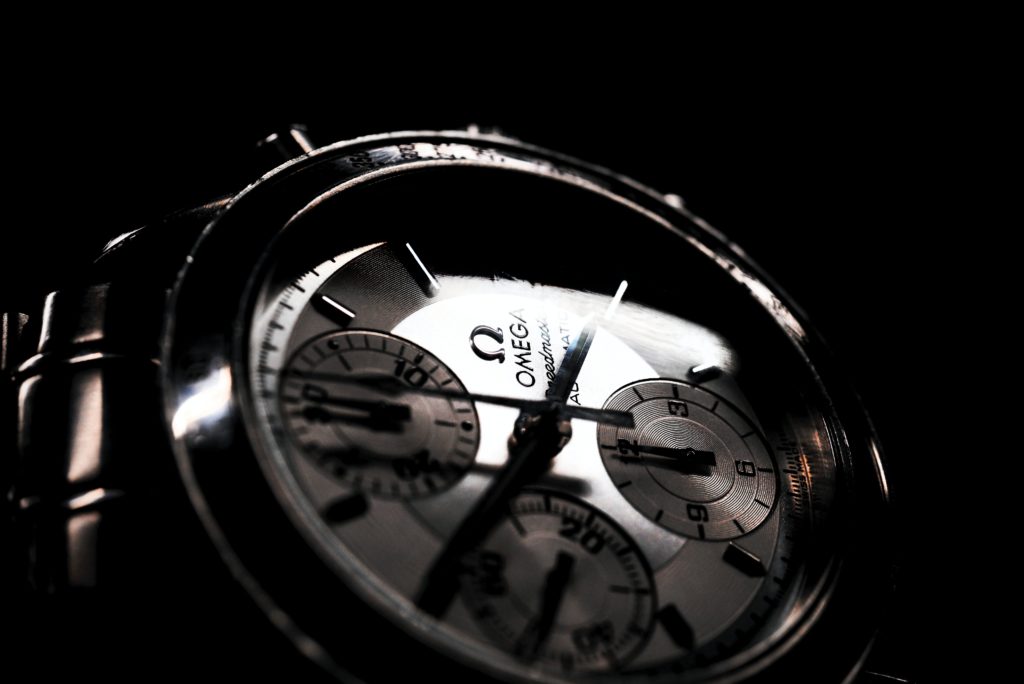
Luxury watches remain one of the strongest categories in the pawn industry.

Whether you’re interested in purchasing a quality timepiece or selling one you no longer wear, the months ahead are an excellent time to explore your options.

Many customers choose pawn shops because they can often find premium brands at substantial savings compared to buying new.

Likewise, sellers appreciate receiving competitive offers from professionals who understand luxury watches.

We buy and sell gold

Gold Continues to Hold Value

Gold has long been considered one of the world’s most recognized stores of value.

Economic uncertainty, inflation concerns, and global events often influence precious metal prices.

While no one can predict future markets, many customers choose to:

  • Sell unwanted gold while prices remain attractive.
  • Purchase gold jewelry they can enjoy wearing.
  • Add precious metals to their collections.

R&J Jewelry & Loan evaluates gold based on current market conditions, helping customers understand the value of what they own.

Fall Is a Busy Time for Buying and Selling

As summer turns into fall, many customers begin cleaning, organizing, and preparing for the holidays.

During this time people often discover valuable items they’ve forgotten about.

Common finds include:

  • Jewelry tucked away in drawers
  • Watches no longer worn
  • Collectible coins
  • Musical instruments
  • Electronics
  • Tools
  • Designer handbags
  • Silver items

These items can often become extra spending money or serve as collateral for a convenient pawn loan.

Holiday Shopping Starts Earlier Every Year

Retailers now begin holiday promotions months before Thanksgiving.

Many families begin shopping as early as September.

Buying jewelry from a pawn shop allows shoppers to:

  • Save money
  • Find unique gifts
  • Stretch holiday budgets
  • Purchase higher-quality items for less

Jewelry remains one of the most meaningful gifts you can give.

Whether you’re shopping for an anniversary, birthday, graduation, or holiday celebration, a pawn shop offers outstanding value.

Why Customers Keep Coming Back

Many first-time visitors are surprised by the friendly atmosphere inside a professional pawn shop.

Today’s pawn shops are clean, organized, and staffed by knowledgeable professionals.

Customers appreciate:

  • Honest evaluations
  • Transparent loan terms
  • Competitive pricing
  • Friendly customer service
  • Confidential transactions
  • Ever-changing inventory

Many become repeat customers because they discover just how convenient pawn services can be.

What Can You Pawn?

If you’re considering a pawn loan, you might be surprised by the variety of accepted items.

Depending on condition and demand, common items include:

  • Gold jewelry
  • Diamond jewelry
  • Luxury watches
  • Designer handbags
  • Musical instruments
  • Power tools
  • Electronics
  • Gaming systems
  • Cameras
  • Precious metals

If you’re unsure whether an item qualifies, simply bring it in for an evaluation.

sell vs pawn

Sell or Pawn? Which Is Better?

Many customers ask whether they should sell an item or pawn it.

The answer depends on your goals.

Selling is often the better choice if:

  • You no longer want the item.
  • It’s sitting unused.
  • You’d rather receive immediate cash.

A pawn loan may be the better option if:

  • The item has sentimental value.
  • You expect your financial situation to improve soon.
  • You want temporary cash while keeping ownership.

The team at R&J Jewelry & Loan can explain both options so you can make the decision that’s best for your situation.

Every Visit Is Different

Unlike traditional retailers, pawn shop inventory changes every day.

That means today’s visit may uncover something you won’t see tomorrow.

Treasure hunters love stopping in regularly because inventory is constantly rotating.

Whether you’re searching for fine jewelry, luxury watches, collectibles, electronics, or unique gifts, every visit brings new opportunities.

Supporting the Local Community

Pawn shops have served communities for generations by providing accessible financial services and affordable merchandise.

They help people:

  • Access quick cash when needed
  • Buy quality merchandise at lower prices
  • Recycle valuable items instead of letting them go to waste
  • Keep luxury goods affordable for more families

R&J Jewelry & Loan is proud to serve the San Jose community by offering professional service built on integrity, respect, and experience.

Finish the Year Strong

The months after July 4th often pass more quickly than expected. Before long, school is back in session, the holidays are approaching, and year-end expenses begin arriving.

Planning now can help reduce stress later.

Whether you need a fast pawn loan, want to sell unwanted jewelry, are searching for an engagement ring, or simply enjoy finding incredible deals on fine jewelry, R&J Jewelry & Loan is here to help.

Visit today to explore our constantly changing inventory, receive a professional evaluation of your valuables, or learn how a pawn loan can provide the flexibility you need without the hassle of traditional lending.

The second half of the year is full of opportunities—and your local pawn shop is ready to help you make the most of them.

Silver Prices: Current Market Trends, Analysis, and Investment Outlook for 2025

gold trends

Key Takeaways

  • Silver prices have surged nearly 40% in 2025, reaching 14-year highs above $42 per ounce amid strong industrial demand and geopolitical uncertainty

  • Industrial applications, particularly in solar panels, electric vehicles, and electronics, are driving unprecedented demand for silver as a critical commodity

  • Market experts predict silver could potentially reach $100-$130 per ounce in the long term due to supply deficits and undervaluation relative to gold

  • Mexico, Peru, and China dominate global silver production, while supply constraints and recycling contribute to ongoing market tightness

  • Investors can access silver through physical bullion, ETFs, mining stocks, and futures contracts, each offering different risk-return profiles

The silver market has captured investor attention in 2025 with a remarkable performance that has outpaced most commodities and precious metals. As both a precious metal and critical industrial commodity, silver’s unique dual nature creates compelling investment dynamics that differentiate it from gold and other traditional safe-haven assets.

This comprehensive analysis examines current silver prices, market fundamentals, supply dynamics, and investment strategies to help investors understand this complex and rapidly evolving market. With ongoing geopolitical tensions, persistent inflation concerns, and unprecedented industrial demand from renewable energy sectors, silver presents both significant opportunities and notable risks for today’s investors.

Silver Market

Current Silver Prices and Recent Performance

The silver spot price has experienced exceptional volatility and growth throughout 2025, with current market price levels trading consistently above $42-43 per troy ounce as of late 2025. The price of silver has shown significant movement in both current market values and historical trends, reflecting its importance in market analysis and investment decisions. This represents year-over-year gains exceeding 38%, with some months delivering approximately 12% increases that have pushed silver to multi-year highs not seen since the 2011-2012 precious metals rally.

Retail silver prices for physical silver bullion have reached approximately $1,414 per kilogram, reflecting both the underlying spot price appreciation and the way silver products are priced based on the spot price plus increased premiums dealers charge for physical silver products. The current price represents a dramatic recovery from the March 2020 lows near $12 per ounce, when pandemic-related market disruptions temporarily depressed precious metals pricing.

Daily price fluctuations continue to reflect real-time market conditions and trading activity across global exchanges, with the COMEX futures market and London Bullion Market Association setting primary price discovery mechanisms. The silver traded volumes have increased substantially as both institutional and private investors seek exposure to this precious metal.

Trading patterns show silver reached an 11-year high of $29.26 in April 2024, pulling back during summer months, then rallying sharply to current levels above $41 per ounce. This price action demonstrates silver’s characteristic higher volatility compared to gold, with more pronounced swings reflecting its smaller market size.

Silver Forecast

Factors Driving Silver Price Movements

Multiple interconnected factors contribute to silver’s exceptional 2025 performance, creating a complex web of supply and demand dynamics that professional investors and market analysts closely monitor. These dynamics have the potential to drive a rise in silver prices as market conditions evolve.

US dollar strength and Federal Reserve interest rate policy changes significantly impact precious metals demand, as lower rates typically reduce the opportunity cost of holding non-yielding assets like physical silver. Recent federal reserve rate cut expectations have provided tailwinds for precious metals, while ongoing concerns about currency devaluation drive investment demand for tangible assets.

Geopolitical tensions and trade wars have created substantial safe-haven investment flows into precious metals, with silver benefiting alongside gold as investors seek portfolio diversification outside traditional stock markets. The ongoing geopolitical issues and uncertainty surrounding global trade relationships continue supporting demand for precious metals industry products.

Inflation concerns and currency devaluation hedge strategies have become increasingly prominent as central banks worldwide grapple with monetary policy challenges. Silver’s historical role as an inflation hedge attracts investors seeking to preserve purchasing power, though its industrial applications provide additional price support mechanisms beyond pure monetary demand.

Supply and demand imbalances represent perhaps the most fundamental driver, with ongoing market deficits where consumption exceeds annual production. The silver institute and industry research organizations consistently report structural deficits that suggest tightening physical markets over the medium term. A significant portion of silver demand comes from the electronics and renewable energy sectors, further shaping market trends and influencing price movements.

Industrial Demand Drivers

The industrial side of silver demand has experienced unprecedented growth, fundamentally altering the market’s long-term supply and demand dynamics. Industrial demand now represents approximately 50% of total silver consumption, making price movements increasingly sensitive to economic activity and technological developments.

The solar industry accounts for roughly 16% of global silver demand, with 14% annual growth over the past decade as renewable energy adoption accelerates worldwide. Each gigawatt of new solar capacity requires approximately 20 tons of silver, translating to roughly 643,000 troy ounces per installation. China’s massive solar panel manufacturing expansion and global renewable energy commitments suggest this demand source will continue growing substantially.

Electric vehicles and their supporting charging infrastructure require significant silver content for battery technology, electrical connections, and power management systems. As electric vehicle adoption accelerates globally, this represents a new and growing source of industrial demand that didn’t exist at meaningful scale just a decade ago.

Electronics manufacturing continues utilizing silver’s superior conductivity properties in electronic devices, particularly for high-performance applications where silver’s unique properties cannot be easily substituted. The expansion of 5G technology, semiconductor demand, and increasingly sophisticated consumer electronics drives consistent baseline demand.

Medical applications leverage silver’s antibacterial properties for water purification systems and healthcare products, representing a smaller but steady demand component. This includes specialized applications in hospital equipment, water treatment facilities, and consumer health products where silver’s antimicrobial properties provide unique value.

The key role silver plays across these industrial sectors creates price support during economic expansions, but also exposes silver prices to cyclical downturns when industrial activity slows. This dual nature differentiates silver from gold, which primarily serves investment and jewelry demand.

Global Silver Production and Supply

Understanding the supply side dynamics provides crucial context for evaluating silver’s price trajectory and investment potential. Global silver production faces several structural challenges that contribute to ongoing market tightness.

Mexico leads world production with approximately 5,000 tons annually, representing roughly 20% of global output. Mexican mining companies have developed extensive silver-focused operations, though production growth has plateaued in recent years due to resource depletion and regulatory challenges. Peru, China, Russia, Bolivia, and Australia follow Mexico as major producing nations, each contributing between 1,000-3,000 tons annually.

A critical factor affecting supply is that silver mining often occurs as a byproduct of lead, zinc, and copper extraction rather than primary silver operations. This means silver supply is partially dependent on demand and pricing for base metals, creating complex supply elasticity that doesn’t always respond directly to silver price signals.

Recycling contributes approximately 20% of annual global silver supply through recovery from electronic devices, photographic film, jewelry, and industrial applications. However, recycling rates vary significantly based on silver prices and the availability of scrap material, making this supply source somewhat unpredictable.

Mining companies face increasing production constraints including resource depletion of high-grade deposits, rising extraction costs, environmental regulations, and longer project development timelines. New primary silver mine discoveries have become increasingly rare, with most new production coming from expansion of existing operations or byproduct extraction.

The supply side outlook suggests production growth will likely lag demand growth over the medium term, particularly if industrial demand continues expanding at current rates. This fundamental supply-demand imbalance represents a key argument for higher silver prices over time.

fast cash

Expert Price Forecasts and Market Predictions

Market analysts and industry experts have developed increasingly bullish long-term silver price forecasts based on supply deficit projections and industrial demand growth expectations. A silver price forecast is used by experts to predict future price movements, taking into account factors such as supply, demand, and economic uncertainties.

First Majestic Silver Corp CEO Keith Neumeyer has maintained a $100-$130 per ounce long-term target since 2017, citing structural supply deficits and undervaluation relative to historical gold-silver ratios. His analysis suggests current pricing significantly undervalues silver’s industrial importance and monetary properties.

Several prominent analysts predict silver could reach $100-$150 within 3-5 years based on supply deficits and accelerating industrial demand. These forecasts typically assume continued renewable energy growth, electric vehicle adoption, and limited new mine development to address growing consumption.

Quarter-end futures expectations currently center around $43 per ounce, with 12-month targets ranging from $46-$52 depending on economic conditions and industrial demand growth. Options contracts reflect significant interest in higher strike prices, suggesting market participants anticipate potential upside breakouts.

Conservative estimates from mainstream financial institutions point toward new all-time highs beyond the previous $50 peaks reached during the 2011 precious metals rally. These projections typically factor in inflation-adjusted price appreciation and industrial demand growth without assuming extreme monetary conditions.

Technical analysis suggests silver could experience significant price acceleration if it breaks decisively above resistance levels near $45-$48 per ounce. Historical data shows silver tends to experience explosive price moves during precious metals bull markets, often outperforming gold by substantial margins.

Silver vs Gold Prices Dynamics

The current gold-to-silver price ratio near 80-90:1 compares to a production ratio of approximately 7.5:1, suggesting silver remains undervalued relative to its natural abundance and industrial utility. This ratio analysis forms a cornerstone of bullish silver arguments.

Historical analysis demonstrates silver outperforming gold during precious metals bull markets, with the ratio often falling to 40-50:1 during peak enthusiasm periods. If this pattern repeats, current silver prices could experience substantial appreciation even without gold price increases.

Silver’s higher volatility creates both opportunities and risks for investors, with daily price swings often exceeding 3-5% compared to gold’s typical 1-2% movements. This volatility reflects silver’s smaller market size and dual investment-industrial nature.

The dual nature as both precious metal and industrial commodity provides unique price support mechanisms that gold lacks. While gold serves primarily as a store of value and inflation hedge, silver benefits from irreplaceable industrial applications that create baseline demand.

Currency fluctuations, particularly us dollar movements, affect both metals but impact silver more dramatically due to its industrial applications and smaller market capitalization. A weaker us dollar typically benefits both metals, but silver often experiences amplified moves in both directions.

Silver Investment Options and Strategies

Silver investing encompasses a range of methods, from owning physical silver to participating in financial instruments like ETFs and mining stocks, each with unique benefits and risks.

Investors seeking silver exposure can choose from multiple investment vehicles, each offering different risk-return profiles, liquidity characteristics, and practical considerations.

Physical silver bullion, including coins, rounds, and bars, provides direct ownership and portfolio insurance against financial system risks. Popular choices include American Silver Eagles, Canadian Maple Leafs, and generic silver bars in various sizes from one ounce to 1,000-ounce bar form. To buy silver, investors should verify authenticity and purchase from reputable dealers to ensure quality and avoid counterfeits. Physical ownership requires consideration of storage, insurance, and verification procedures.

Silver exchange traded funds offer market exposure without storage requirements or authentication concerns. Major ETFs track silver spot price movements through physical silver holdings or futures contracts, providing liquidity and transparency for investors preferring exchange-traded products.

Mining company stocks provide leveraged exposure to silver price movements, as mining companies typically experience amplified earnings changes relative to underlying commodity prices. Buying shares of silver mining companies or silver-focused ETFs is another way to gain exposure to silver prices as part of a diversified silver investing strategy. However, mining stocks also carry company-specific risks including operational challenges, management quality, and project execution risks.

Silver futures and options contracts enable sophisticated traders to implement hedging strategies, leverage positions, or speculate on price direction. These derivative instruments require significant market knowledge and risk management capabilities but offer precise exposure control and capital efficiency.

Certified storage solutions address the practical challenges of large physical silver investments, providing professional vault services, insurance coverage, and audit verification. These services typically charge annual fees but eliminate many risks associated with personal storage.

Buying and Selling Physical Silver

Purchasing physical silver requires careful attention to dealer reputation, product authenticity, and pricing transparency. R&J Jewelry and Loan in San Jose, CA, along with other established precious metals dealers, typically offers verification services and guarantees product authenticity through recognized certification processes.

Premium pricing over spot rates varies significantly based on product type, market conditions, and purchase quantities. Silver coins generally command higher premiums than bars due to fabrication costs and collector appeal, while larger bars offer lower per-ounce premiums for substantial purchases.

Documentation requirements for selling silver back to dealers include proof of purchase, identity verification, and compliance with reporting regulations for large transactions. Understanding these requirements before purchase helps ensure smooth exit strategies when needed.

Storage considerations encompass security, insurance, accessibility, and environmental protection. Home storage requires safes or security deposit boxes, while commercial storage services offer professional facilities with comprehensive insurance coverage.

Liquidity advantages of recognized silver products become apparent during sale transactions, as well-known coins and bars command tighter bid-ask spreads and faster transaction completion. Generic or unusual products may face liquidity challenges during sale, making trusted dealers like R&J Jewelry and Loan in San Jose, CA a reliable option for both buying and selling.

Market Risks and Considerations

Silver investment involves several risk factors that potential investors should carefully evaluate before committing capital to this volatile precious metal market.

Price volatility significantly exceeds that of gold due to silver’s smaller market size, industrial demand sensitivity, and speculative trading activity. Daily price swings of 5-10% occur regularly, requiring appropriate position sizing and risk tolerance assessment.

Economic slowdown risks could substantially affect industrial demand for silver, as renewable energy projects, electronics manufacturing, and automotive production typically decline during recessions. This industrial sensitivity distinguishes silver from purely monetary precious metals.

Interest rate sensitivity impacts precious metals investment flows, as rising rates increase the opportunity cost of holding non-yielding assets. Federal reserve policy changes can trigger significant capital flows into or out of precious metals markets.

Currency fluctuations, particularly involving the us dollar and japanese yen, affect international silver trade and pricing dynamics. A stronger dollar typically pressures commodity prices, while currency instability often benefits precious metals demand.

Regulatory changes could potentially impact silver mining operations, trading mechanisms, or tax treatment of precious metals investments. Environmental regulations, mining permitting, and financial market rules all influence silver market dynamics.

Market manipulation concerns arise periodically regarding large futures positions, concentrated ownership, or coordinated trading activities. While regulatory oversight exists, the relatively small silver market size may be susceptible to influence by large players.

Frequently Asked Questions

What is the difference between silver spot price and retail price?

The silver spot price represents the immediate delivery value for large institutional transactions typically involving 1,000-ounce contracts or larger. Retail prices include dealer premiums, fabrication costs, shipping, and profit margins that individual investors pay when purchasing physical silver products. These premiums typically range from 3-8% above spot for bars and 10-20% for popular coins, varying based on market conditions and product availability.

How much silver should I include in my investment portfolio?

Financial advisors typically recommend a 5-10% precious metals allocation within a diversified portfolio, with silver comprising 10-25% of that allocation depending on individual risk tolerance and investment objectives. This translates to roughly 1-3% of total portfolio value in silver. Factors to consider include your belief in industrial demand growth, inflation expectations, portfolio diversification goals, and comfort with volatility.

Why is silver more volatile than gold?

Silver’s higher volatility stems from several structural factors including its much smaller market size (roughly 1/10th of gold’s market capitalization), dual industrial-investment demand that creates multiple price drivers, higher leverage to economic cycles through industrial applications, and greater sensitivity to interest rate changes. Additionally, silver’s lower absolute price per ounce means percentage moves appear larger, and speculative trading activity tends to be more pronounced relative to total market size.

Can silver prices really reach $100 per ounce?

While ambitious, several market factors support the possibility of triple-digit silver prices over the next decade. These include persistent supply deficits where consumption exceeds production, accelerating industrial demand from renewable energy and electric vehicle sectors, historical undervaluation relative to gold based on production ratios, and potential monetary policy responses to economic instability. However, such price levels would require sustained demand growth and limited supply responses, making timing and probability difficult to predict with certainty.

Is silver a good hedge against inflation?

Silver has historically performed well during inflationary periods due to its tangible asset nature, industrial demand that often correlates with economic activity, and investor preference for precious metals during currency devaluation concerns. However, silver’s industrial applications can create complex relationships with inflation – moderate inflation may support prices through industrial demand, while severe inflation could reduce industrial activity. Short-term performance can vary significantly, making silver more of a long-term inflation hedge rather than a reliable short-term correlation with consumer price indices.

Why Rolex and High-End Watches Stand Apart — And How R&J Jewelry & Loan in San Jose Keeps You Confident Buying, Selling, or Pawning Them

High End Watches

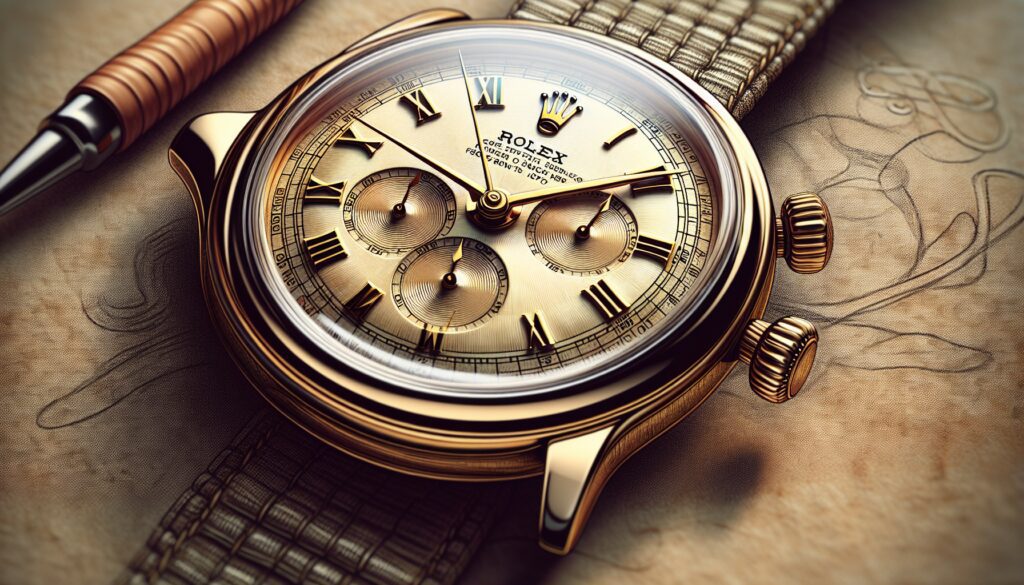
There’s something magnetic about a luxury watch. It isn’t just the way it catches the light or the soft click of a bracelet clasp — it’s the combination of centuries of craft, engineering precision, and the subtle (but unmistakable) aura of heritage. At R&J Jewelry & Loan in San Jose, CA, we see hundreds of watches each year — vintage pieces, modern icons, and everything in between. Among them, brands like Rolex occupy a unique place. In this post we’ll explain the specific features that make Rolex and other high-end watches stand out from the crowd, why those differences matter to collectors and everyday wearers, and how our team at R&J evaluates and authenticates these timepieces so you can buy, sell, or pawn with confidence.

The anatomy of luxury: what actually makes a Rolex (and similar watches) different?

When people say “luxury watch,” they’re usually pointing to a set of qualities — many technical, some aesthetic — that raise a timepiece well above mass-market watches. Let’s break those qualities down into concrete features.

1. In-house movements and movement finishing

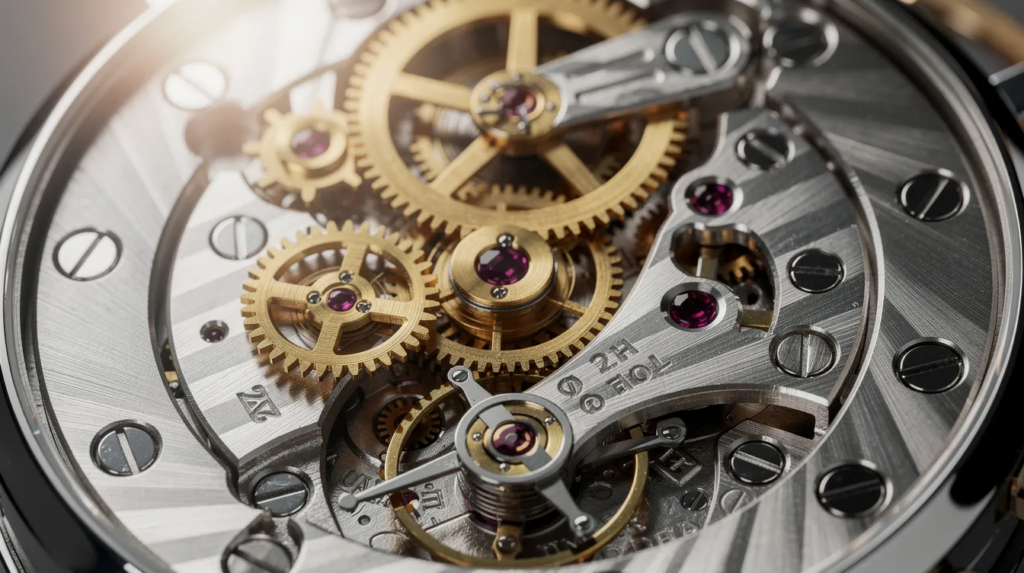
One of the core distinctions is who makes the movement and how it’s finished. High-end houses like Rolex design and manufacture their own movements (often called “in-house” calibers). This vertical integration allows tighter control over performance and reliability. But it’s not just about who built it — it’s about how the movement is finished. Geneva stripes, polished bevels (anglage), perlage on baseplates, and hand-adjusted components are hallmarks of high craftsmanship. These finishes do more than look pretty under magnification; they reflect attention to tolerances and assembly quality that translate into long-term reliability.

2. Precision and certification

Top brands invest heavily in accuracy. Many use chronometer-grade movements tested by independent bodies. Rolex goes a step further with its own certification standards (often stricter than the basic chronometer spec), paired with fine regulation that ensures the watch performs within tight tolerances. For the wearer, this means a watch that keeps time with remarkable consistency day after day.

3. Materials engineering

Luxury watchmakers don’t just polish ordinary steel. Rolex famously uses specialized stainless steels (often referred to as Oystersteel) and alloys for rose gold or two-tone models, as well as precious metals like 18k gold and platinum. They develop proprietary materials — ceramic bezels that resist scratches and fading, scratch-resistant sapphire crystals, and anti-magnetic hairsprings. These materials keep a watch looking and functioning like new for years, and they make a real difference in durability and wearability.

4. Case and bracelet design

The case and bracelet aren’t just aesthetics — they’re engineering. Oyster cases, screw-down crowns, Triplock systems, and robust case constructions contribute to water resistance that can be rated for diving depths. Bracelets like the Oyster, Jubilee, and President are engineered for comfort and endurance, with solid end links, secure clasps, and micro-adjustments for a perfect fit. A well-designed bracelet will wear comfortably for years without the “rattle” and stretch you see on cheaper pieces.

5. Complications and functional design

Luxury brands often include complications — GMT functions for travelers, chronographs for timing, date and annual calendars, and even perpetual calendars and tourbillons in extreme haute horology. These aren’t just showpieces; they represent additional layers of engineering and precision. Rolex’s GMT-Master II or Daytona aren’t merely stylish; they’re built for specific professional use cases and refined to handle daily wear.

6. Consistency of quality and testing

Manufacturers like Rolex subject completed watches to rigorous tests: water resistance testing, timing tests in multiple positions and temperatures, shock tests, and thorough quality control inspections. The result is consistency — two identical models from different production runs will behave predictably well, a trait collectors and buyers prize.

High End Watches

Why those features matter in real life

You might be wondering: all that detail sounds impressive, but what does it mean if you’re wearing a watch on your wrist, or considering buying one?

  • Reliability: A watch with a robust in-house movement, high-quality materials, and rigorous assembly will keep accurate time longer and require fewer major repairs.

  • Durability: High-grade steel, ceramic bezels, sapphire crystals, and superior sealing mean a watch resists scratches, corrosion, and moisture far better than cheaper alternatives.

  • Serviceability & Longevity: Premium brands design watches to be serviced. With proper care, many high-end watches can last generations — that’s why you sometimes see watches passed down as heirlooms.

  • Resale and collectibility: Because of material quality, finishing, and strict production standards, many luxury watches retain value (and some appreciate) — especially rare references, limited runs, or historically significant models.

  • Pride of ownership: This is less measurable but important: wearing a well-built watch is a daily reminder of fine craftsmanship. It’s a small, wearable piece of engineering that rewards attention.

luxury watch investment

Rolex specifics: signature features that make the brand distinct

Rolex is a good example because they’ve standardized an identifiable set of innovations and finishes that together make their watches instantly recognizable and widely respected.

  • Oyster case: Introduced as a waterproof case design, the Oyster architecture (along with screw-down crowns and casebacks) provides excellent resistance to water and dust.

  • Perpetual rotor: Rolex’s automatic winding system is efficient and built to last, providing a reliable power reserve. Their rotors and winding systems are optimized for low wear and stable winding.

  • Parachrom hairspring: This is Rolex’s anti-magnetic and temperature-resistant hairspring material in many of their movements — making the watch less prone to timing shifts from environmental changes.

  • Cerachrom bezels: Many modern Rolex sports models use ceramic bezels that are virtually scratch-proof and resist UV fading, preserving cosmetic integrity in daily wear.

  • Superlative Chronometer certificationRolex tests movements and then tests completed watches to tighter tolerances than basic chronometer specs, giving confidence in accuracy.

  • Bracelet & clasp engineering: From the solid-link Oyster to the comfort-focused Jubilee and the distinguished President bracelet, Rolex invests in bracelet design. Innovations like easy extension systems (e.g., Glidelock on Submariners) provide a secure fit and flexibility.

  • Design continuity and iconography: Rolex has maintained visual identities across decades — Submariner, Datejust, Daytona — which helps maintain desirability and collectibility.

estate gold jewelry

How R&J Jewelry & Loan authenticates and evaluates luxury watches

Authenticating luxury watches requires a blend of technical tools, experienced eyes, and access to knowledge — and that’s where our team at R&J excels. Here’s how we approach each piece that comes through our doors.

1. Visual inspection with loupe and microscope

We examine the dial printing, index application, hand shapes, and logo crispness under magnification. High-end dials show precision printing, perfectly applied markers, and consistent luminous material application. Any bloated fonts, smudged printing, or misaligned markers raise a red flag.

2. Case, bracelet, and weight assessment

We check case finishing, engraved hallmarks, serial and reference numbers (on the case or rehaut), and the feel/weight of the watch. Luxury watches have a specific heft due to their materials and solid construction. Bracelet end links, screws versus pins, link finishing, and clasp engravings are examined closely.

3. Movement verification

When possible (and appropriate), we open casebacks to inspect the movement. A genuine movement will be signed, finished to a high standard, and configured as expected for that reference. We look for correct rotor shapes, bridges, and unique movement identifiers. Our technicians are trained to spot swapped or counterfeit movements.

4. Timing machine testing

We use professional timing machines to measure rate, amplitude, and beat error. These measurements quickly reveal whether a movement is running within expected tolerances and whether it has mechanical issues needing service.

5. Water resistance and pressure tests

For dive and sports watches, we can perform pressure testing to verify seals and gaskets. This helps confirm the physical integrity of the case and whether the watch can withstand daily moisture exposure as expected.

6. UV and lume tests

We aim lights at the dial and lume to verify application and glow patterns. Counterfeit lume often looks and behaves differently under UV and in low light compared to authentic compounds.

7. Cross-checking serials, papers, and provenance

We examine boxes, warranty cards, service receipts, and any available provenance. Matching serials to boxes and papers is crucial. When provenance is incomplete, our physical inspections become even more vital.

8. Networked expertise

R&J leverages relationships with authorized dealers, independent watchmakers, and online reference databases to compare markings, case geometry, and movement references. That community knowledge helps when we encounter rare or unusual references.

high end watches

Why authentication matters — beyond avoiding fakes

Authenticating a luxury watch protects the buyer, seller, and pawnbroker. For buyers, it ensures you’re getting the real engineering, materials, and long-term value you expected. For sellers and pawnbrokers, it reduces legal and financial risk. And for owners using a watch as collateral, authentication establishes clear value, which affects loan terms. At R&J, we treat authentication like a service: thorough inspections give peace of mind.


How R&J helps San Jose collectors, buyers, and people needing quick cash

We’re more than a shop — we’re a resource for the San Jose community.

Buying

If you’re looking to buy a Rolex or another high-end piece, we source watches through trusted channels and perform full authentication and service checks before offering them for sale. Every pre-owned watch gets a clear condition report and disclosure of service history. We price fairly and transparently based on market value, rarity, and condition.

Selling

If you’re ready to sell, we give fair appraisals grounded in current demand and condition. For special or rare references, we discuss consignment options to help you get the best possible return.

Pawning and loans

Many clients come to us needing fast, confidential access to cash. Luxury watches are valuable, liquid assets — and when properly authenticated they provide excellent collateral for short-term loans. We examine, authenticate, and offer loans based on the watch’s marketability and condition, with clear terms and a secure, insured storage program until the loan is repaid.

Servicing & referrals

While we’re not an authorized Rolex service center, we work with trusted, certified watchmakers who understand high-end movements. For routine maintenance, pressure testing, and repairs, we can coordinate service and provide documentation — another way to protect your investment.

High End Watches

Real examples of what to look for (practical tips for buyers)

Whether you’re browsing online listings or shopping in person, keep these practical checks in your pocket:

  • Ask for multiple photos (dial close-up, caseback, bracelet clasp, reference and serial areas) if you’re buying online.

  • Verify the model and serial numbers match known references for that watch; inconsistent numbers are a red flag.

  • Inspect the crown logo, dial printing, and cyclops magnification (on date models). Subtle differences often reveal replicas.

  • Feel the bracelet and clasp. A well-made bracelet has solid links and a smooth, secure clasp.

  • Request timing test results or ask to see the watch run on a timing machine if you’re buying locally.

  • Get provenance when possible — original paperwork and service records increase value and ease resale or loans.


Why local matters: trust, security, and community in San Jose

Buying and selling luxury watches online can work — but local, trusted businesses bring advantages you can’t replicate through a screen. At R&J Jewelry & Loan, you get:

  • Face-to-face inspection: See the watch, feel it, and get explanations from experienced staff.

  • Transparent appraisals: We walk you through how we reached a value and what factors influence price.

  • Secure transactions: Your purchase, sale, or loan happens in a secure, insured environment.

  • After-sale support: Need a referral for service or have questions months later? We’re down the street and happy to help.


Final thoughts — invest in knowledge, not just status

Luxury watches are more than status symbols. They’re feats of engineering, investments in material and labor, and objects meant to last. When you buy, sell, or use a watch as collateral, your best defense against disappointment is knowledge and experienced partners.

At R&J Jewelry & Loan in San Jose, CA, we combine watch-savvy technicians, professional tools, and community-first service to make every transaction clear and confident. Whether you’re hunting for that perfect Datejust, looking to pawn a Rolex for short-term cash, or just curious about what makes high-end watches worth their price, stop by and let us show you — we’ll explain the features, run the tests, and help you choose the option that fits your goals.

Looking for hands-on help? Bring your watch by our San Jose location for a free initial inspection and condition report. We’re passionate about watches, and we love helping people understand them better — one tick at a time.