A luxury watch is more than something you wear on your wrist. It represents craftsmanship, precision, personal achievement, and often a significant financial investment. Whether you own a Rolex Submariner, an Omega Speedmaster, a Cartier Santos, or another prestigious timepiece, your watch may hold considerable value beyond its original purchase price.
But what happens when you need access to cash and don’t necessarily want to part with something you’ve worked hard to acquire?
For luxury watch owners in San Jose and throughout Silicon Valley, R&J Jewelry & Loan offers an alternative to selling a valuable timepiece: using it as collateral for a pawn loan.
A luxury watch pawn loan allows you to access money based on the value of your watch while retaining the opportunity to reclaim it once the loan is repaid according to the agreed terms.
Understanding how luxury watch loans work, what makes certain watches valuable, and when borrowing against a timepiece makes financial sense can help you make an informed decision.

Why Luxury Watches Are Valuable Assets
Unlike many consumer purchases that lose much of their value shortly after leaving the store, certain luxury watches have demonstrated an ability to retain substantial resale value. Some highly sought-after models may even appreciate over time, although watch values can fluctuate considerably with market conditions.
Luxury watches are desirable because of several important factors.
Exceptional craftsmanship: Brands such as Rolex, Patek Philippe, Audemars Piguet, and Omega have built reputations around precision engineering, sophisticated movements, and attention to detail.
Brand recognition: Established luxury watchmakers have worldwide recognition, creating ongoing interest among collectors and enthusiasts.
Limited availability: Certain models are produced in limited quantities or become difficult to obtain through authorized dealers. Scarcity can increase demand in the secondary market.
Collectibility: Vintage watches, discontinued models, and pieces with unusual characteristics may attract collectors willing to pay a premium.
Precious materials: Some luxury watches contain substantial amounts of gold, platinum, or other valuable materials, contributing to their overall worth.
However, not every luxury watch increases in value. Brand, model, condition, authenticity, market demand, and current resale prices all influence what a watch may be worth.
That is why a professional evaluation is important before deciding whether to sell or pawn your timepiece.
Which Luxury Watch Brands May Qualify for a Pawn Loan?
Luxury watches come in many styles, from rugged professional diving watches to elegant dress watches designed for formal occasions.
Some of the most recognizable brands in the luxury watch market include:
Rolex: A Recognized Name in Luxury Watches
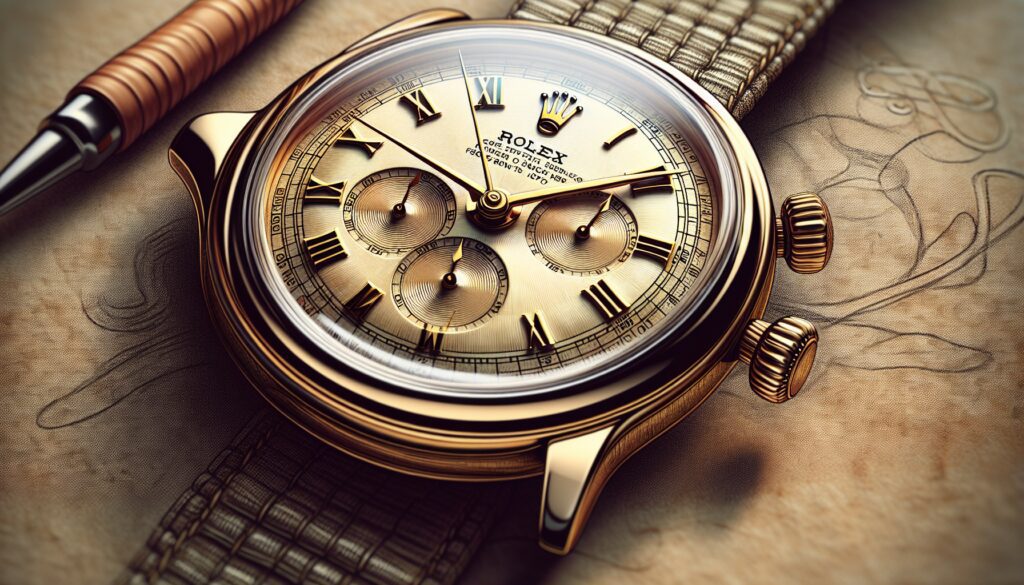
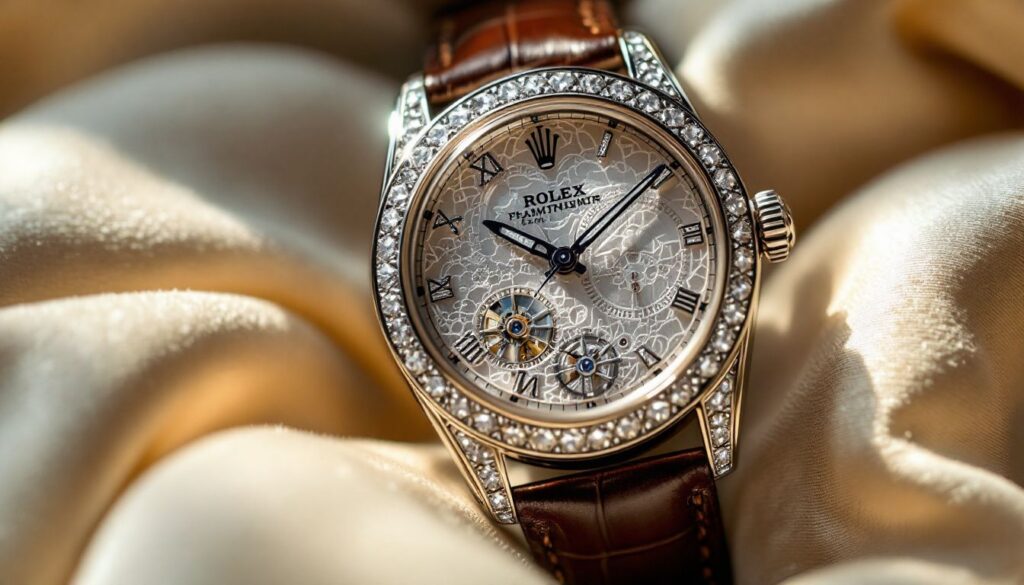
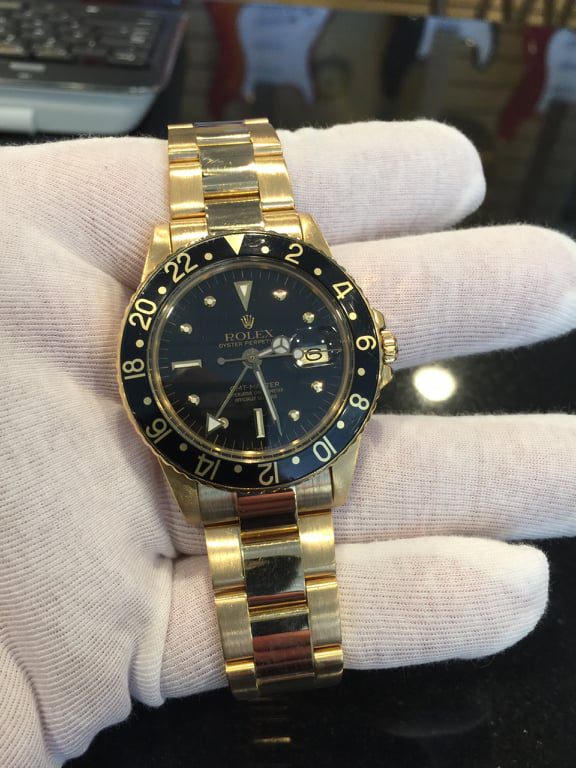
Rolex is among the world’s most recognizable luxury watch manufacturers. Models such as the Submariner, Daytona, GMT-Master II, Datejust, and Day-Date have established strong followings among collectors and watch enthusiasts.
Depending on the specific reference, condition, and market demand, a Rolex can represent a substantial asset.
For owners who want temporary access to cash without permanently giving up their watch, a Rolex pawn loan may be worth exploring.
Omega: Precision, History, and Prestige
Omega watches have a long history of technical innovation and distinctive design.
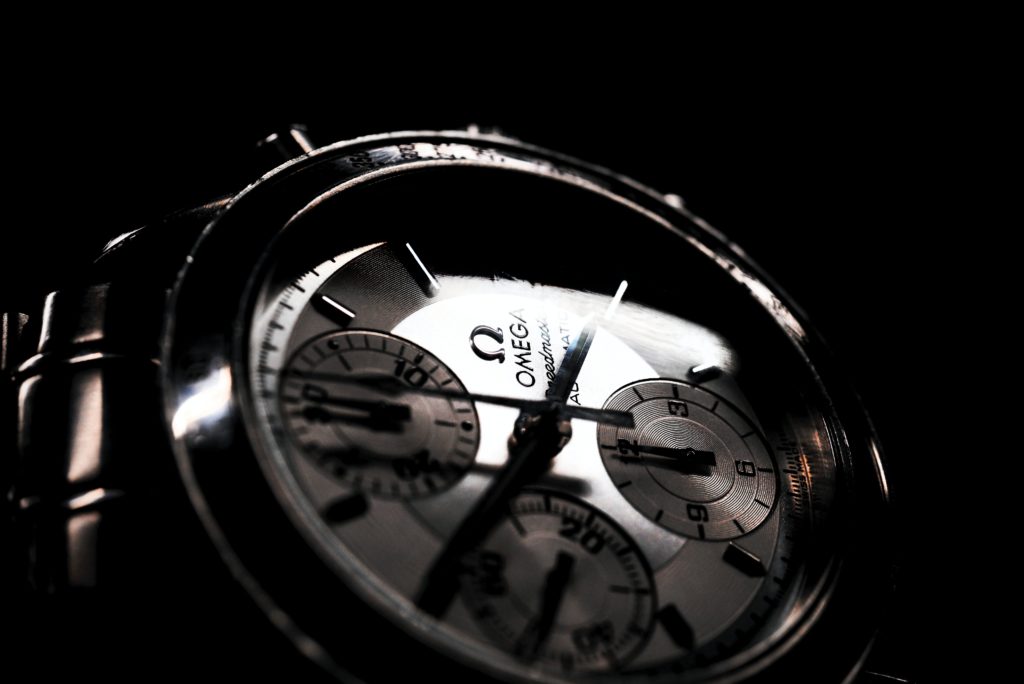
The Speedmaster, famously associated with NASA’s lunar missions, remains an iconic model. The Seamaster collection is also widely recognized for its diving heritage and elegant styling.
Omega owners may be surprised by the amount of value tied up in a watch they have owned for years.
Cartier: Luxury Jewelry Meets Watchmaking
Cartier combines fine jewelry traditions with sophisticated watch design.
The Cartier Tank, Santos, and Ballon Bleu collections are known for their distinctive appearance and enduring appeal.
Certain Cartier watches, particularly those crafted from precious metals, may offer attractive collateral value depending on the model and condition.
Patek Philippe and Audemars Piguet: Highly Sought-After Timepieces
Patek Philippe and Audemars Piguet occupy prominent positions in the world of high-end watch collecting.
Models such as the Patek Philippe Nautilus and Audemars Piguet Royal Oak can command significant prices in the secondary market.
Because values vary widely, professional evaluation is particularly important when considering a loan against one of these watches.
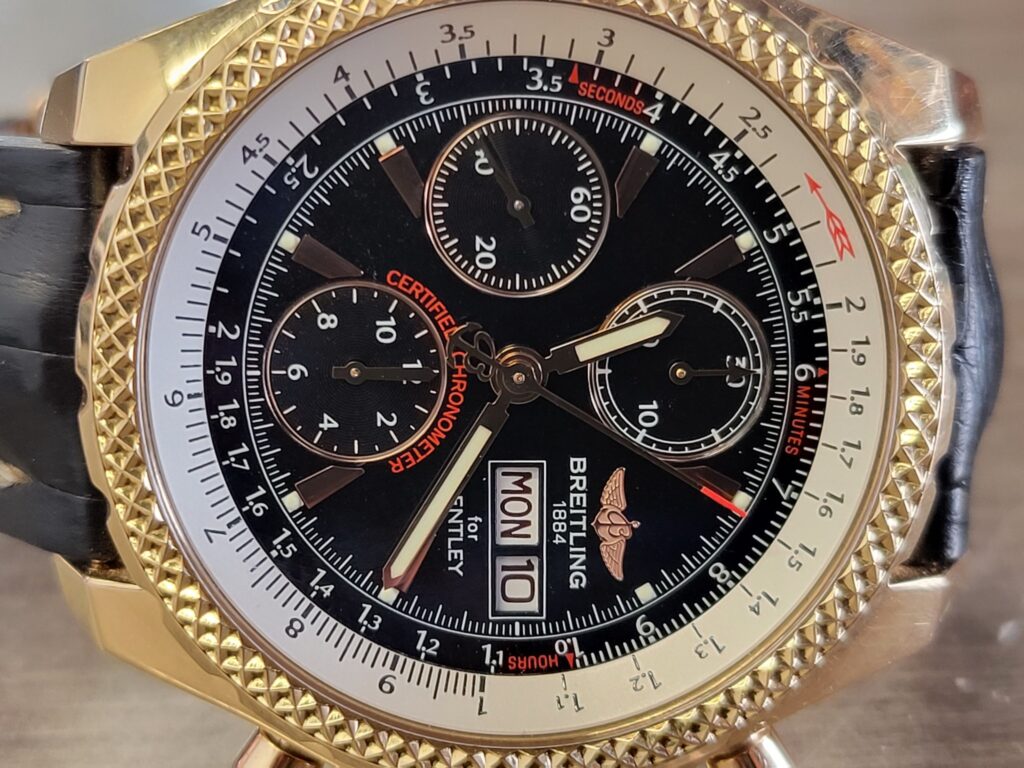
Other brands, including Breitling, Tudor, TAG Heuer, Panerai, and certain limited-production watchmakers, may also have collateral value.
The important consideration is not simply the name on the dial, but the watch’s actual market value and the lender’s willingness to accept it.
How Does a Luxury Watch Pawn Loan Work?
One of the biggest misconceptions about pawn shops is that customers must sell their valuables to receive money.
In reality, a pawn loan is designed to let customers borrow against an item of value without immediately selling it.
Here is how the process generally works.
Step 1: Bring Your Luxury Watch for Evaluation
Start by bringing your watch to R&J Jewelry & Loan in San Jose.
If available, bring the original box, warranty card, purchase receipt, service records, and any additional bracelet links.
These accessories and documents can help establish authenticity, ownership history, and potential resale value.
However, not having the original packaging does not automatically mean your watch has no collateral value.
Step 2: Your Watch Is Evaluated
During an evaluation, a lender may consider several factors:
Brand, model, and reference number
Authenticity and originality
Overall cosmetic and mechanical condition
Current secondary-market demand
Age, rarity, and production history
Original packaging and documentation
Recent comparable resale prices
The amount offered for a pawn loan is generally less than the watch’s estimated resale value because the lender must account for risk, potential resale expenses, and market fluctuations.
Step 3: Review Your Loan Offer
After the evaluation, you may receive a loan offer based on the watch’s collateral value.
Before accepting, review the loan principal, finance charges, applicable fees, repayment deadline, and any renewal or extension options.
Unlike a traditional unsecured personal loan, a pawn loan is secured by the watch itself.
Step 4: Receive Your Funds
Once the loan terms are accepted and the required transaction documentation is completed, you receive the agreed loan proceeds.
Your watch remains in the lender’s custody during the loan period.
Step 5: Repay the Loan and Reclaim Your Watch
When you repay the amount owed under your loan agreement, your watch is returned to you.
If you cannot repay, the lender may eventually take ownership of the collateral in accordance with the agreement and applicable California law.
This is why understanding the repayment terms before borrowing is essential.
Why Pawn a Luxury Watch Instead of Selling It?
Selling a luxury watch can make sense when you no longer wear it, want to upgrade your collection, or simply prefer to turn an unused possession into cash.
However, selling is permanent.
A pawn loan may be more appropriate when you need temporary funds but want to preserve ownership of a valuable watch.
Keep a Watch With Personal Meaning
Perhaps your Rolex was a retirement gift, your Cartier was purchased to celebrate an important milestone, or your Omega has been passed down through your family.
The sentimental value of a watch can far exceed its market price.
A pawn loan gives you the opportunity to use the financial value of that watch without permanently surrendering something meaningful.
Access Cash Without Selling Other Investments
Life can create unexpected financial demands.
Home repairs, business expenses, medical bills, and temporary cash-flow shortages do not always arrive at convenient times.
For someone who owns a valuable luxury watch, borrowing against that asset may be an alternative to liquidating other investments or possessions.
Avoid a Traditional Credit-Based Loan Application
Pawn loans are generally based on the value of the pledged collateral rather than the borrower’s credit score.
This can make them an option for people who prefer not to pursue a traditional credit-based loan.
However, borrowers should still compare the total cost of borrowing against other available financing options.
Maintain Flexibility With Your Valuable Assets
A luxury watch may spend much of its time in a safe or watch box.
When financial needs arise, that same watch can potentially serve as a source of short-term liquidity.
Rather than viewing a luxury watch solely as a collectible or fashion accessory, owners can recognize its possible role as a financial resource.
What Determines How Much You Can Borrow Against a Rolex or Other Luxury Watch?
A common question is: “How much can I get for pawning my Rolex?”
There is no universal answer.
Two watches from the same manufacturer can have dramatically different values.
For example, a stainless-steel Rolex Submariner and a precious-metal Rolex Day-Date may appeal to different buyers and command different prices.
Even two watches with the same reference number can vary in value because of condition, age, accessories, and originality.
Several considerations influence a potential loan offer.
Condition: Watches with significant scratches, damaged crystals, missing components, or mechanical problems may be worth less than well-maintained examples.
Authenticity: Genuine watches with original components generally offer greater confidence in valuation. Aftermarket modifications can affect value.
Market demand: Certain models experience periods of increased popularity, while others become less desirable.
Documentation: Original boxes, warranty cards, receipts, and service records may strengthen the evaluation.
Current resale market: Loan offers reflect what a watch could realistically sell for, not necessarily what its owner originally paid.
Because luxury watch prices change, the most reliable way to understand your watch’s potential borrowing value is through an individual evaluation.
Luxury Watch Loans for San Jose Professionals and Business Owners
San Jose sits at the center of Silicon Valley, where entrepreneurs, technology professionals, independent contractors, and business owners often manage changing financial demands.
Even individuals with substantial assets can experience temporary cash-flow challenges.
A business owner may need funds for an unexpected expense. A professional may be waiting for a commission payment or contract settlement. A family may need to address a major repair without disrupting longer-term financial plans.
For those who own valuable watches, a collateral-based loan may offer another financing option.
A watch loan should not be viewed as free money or a substitute for responsible financial planning. The interest and fees matter, and failure to repay can result in the loss of the watch.
But when the loan amount, repayment timeline, and borrowing costs fit your circumstances, pawning a luxury watch can be a practical way to access the value of an asset you already own.
How to Prepare Your Luxury Watch Before Bringing It to R&J Jewelry & Loan
If you are considering pawning your watch, a little preparation can help make the evaluation process easier.
Start by gathering whatever documentation you have, including the original warranty card, receipt, box, and service history.
Make sure you understand the watch’s brand and model, if possible.
Avoid aggressive polishing or attempting repairs yourself. Original finishes and components can be important to collectors, and unnecessary alterations may reduce a watch’s value.
If the watch is not running properly, disclose the issue rather than attempting an unqualified repair.
Finally, determine how much money you actually need and whether you can comfortably meet the repayment obligations.
Borrowing only what is necessary can help reduce the overall cost of the loan.
Should You Pawn or Sell Your Luxury Watch?
The right decision depends on your financial goals.
Consider pawning your watch if:
You need temporary access to cash.
You want the opportunity to reclaim your watch.
The timepiece has sentimental or collectible value.
You have a realistic repayment plan.
You prefer an asset-backed loan over other available borrowing options.
Consider selling your watch if:
You no longer wear or want it.
You do not intend to repay a loan.
You want to eliminate the responsibilities and costs associated with borrowing.
You are upgrading or changing your watch collection.
Neither option is automatically better. The goal is to choose the solution that makes the most sense for your situation.

Unlock the Value of Your Luxury Watch at R&J Jewelry & Loan in San Jose
Your luxury watch may represent years of hard work, personal accomplishment, or family history.
It may also represent financial value that can be useful when an unexpected need arises.
At R&J Jewelry & Loan in San Jose, California, customers interested in using valuable personal property as collateral can explore their borrowing options and learn more about the pawn loan process.
Whether you own a Rolex, Omega, Cartier, or another high-end timepiece, understanding its current market value is the first step toward making an informed financial decision.
There is no reason to assume that permanently selling a treasured watch is your only option when you need cash.
A luxury watch pawn loan may allow you to address a short-term financial need while preserving the opportunity to reclaim your timepiece.
Visit R&J Jewelry & Loan and Discover What Your Luxury Watch May Be Worth
If you have a high-end watch sitting in a safe, tucked away in a drawer, or worn only on special occasions, consider the financial value it may represent.
Contact or visit R&J Jewelry & Loan in San Jose to ask about luxury watch evaluations, eligible collateral, and available pawn loan options.
Bring your watch and any supporting documentation, ask questions about the terms, and find out whether borrowing against your timepiece makes sense for you.
Your luxury watch tells a story of success, craftsmanship, and personal achievement. When the time is right, it may also help you meet an important financial need.
All pawn loans are subject to collateral evaluation, approval, applicable fees, loan terms, and California law. Acceptance of specific watch brands and models is not guaranteed.