The fireworks have faded, the grills have cooled down, and another Fourth of July is in the books. While summer is still in full swing, the weeks after Independence Day often mark the beginning of a busy financial season for many families. Vacations continue, kids begin preparing to head back to school, and holiday planning is closer than most people realize.
For many people, the months between July and the end of the year seem to fly by. Smart planning today can make those busy months much less stressful, and that’s where R&J Jewelry & Loan comes in. Whether you need a fast pawn loan, are looking for incredible deals on jewelry, want to sell unwanted valuables, or simply enjoy treasure hunting, your local pawn shop can become one of your best financial resources.
Here’s what you can expect during the second half of the year and why now is an excellent time to visitR&J Jewelry & Loan.

Summer Isn’t Over—But Financial Planning Should Already Be Starting
Many people think financial pressure begins during the holidays, but in reality it often starts much earlier.
After July 4th, families begin facing expenses like:
- Back-to-school shopping
- School sports and activity fees
- College expenses
- Fall home projects
- Vehicle maintenance before winter
- Family vacations
- Unexpected medical expenses
- Early holiday planning
Instead of relying on high-interest credit cards or personal loans, many people discover that a pawn loan offers a simple alternative.
Why Pawn Loans Make Sense
One of the biggest misconceptions about pawn loans is that they’re only for people experiencing financial hardship.
The truth is that customers use pawn loans for many different reasons.
A pawn loan allows you to borrow money using something valuable as collateral. Common items include:
- Gold jewelry
- Diamond jewelry
- Luxury watches
- High-end tools
- Electronics
- Musical instruments
- Precious metals
Unlike traditional loans, there are:
- No credit checks
- No lengthy applications
- No impact on your credit score if you choose not to redeem your item
- Fast approval, often within minutes
Your valuables remain safely secured while your loan is active, and once the loan is repaid according to the agreement, your item is returned.
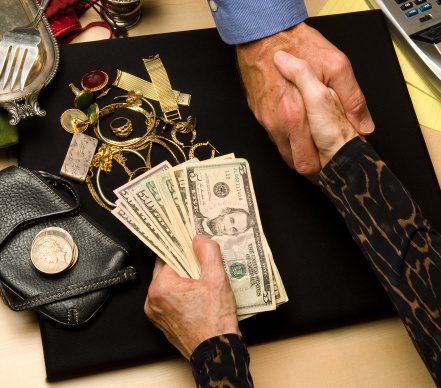
Many customers appreciate having access to fast cash without selling something they love.
Back-to-School Season Arrives Faster Than You Think
July quickly turns into August, and suddenly families are purchasing:
- Laptops
- Tablets
- School supplies
- Clothing
- Sports equipment
- Dorm essentials
These costs can add up quickly.
A pawn loan gives families breathing room without requiring them to take on long-term debt.
Others choose to sell items they no longer use to generate extra cash before school starts.
Either option provides flexibility during one of the busiest shopping seasons of the year.
Turn Unused Jewelry Into Cash
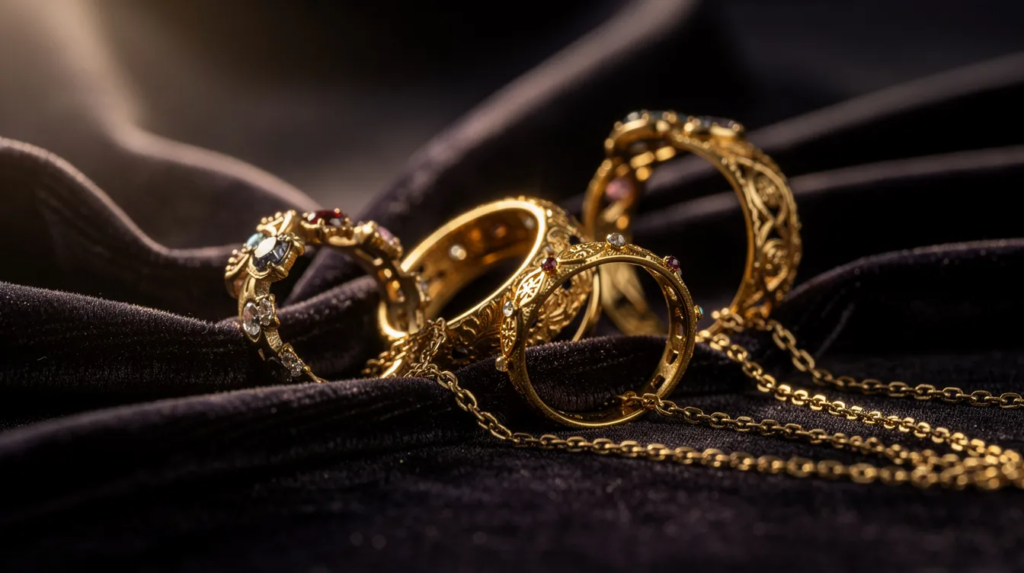
Many households have jewelry boxes filled with pieces that are never worn.
You may have:
- Broken gold chains
- Single earrings
- Outdated rings
- Old class rings
- Unwanted bracelets
- Gold necklaces
- Estate jewelry
- Scrap gold
Instead of allowing these items to collect dust, consider bringing them to R&J Jewelry & Loan for an evaluation.
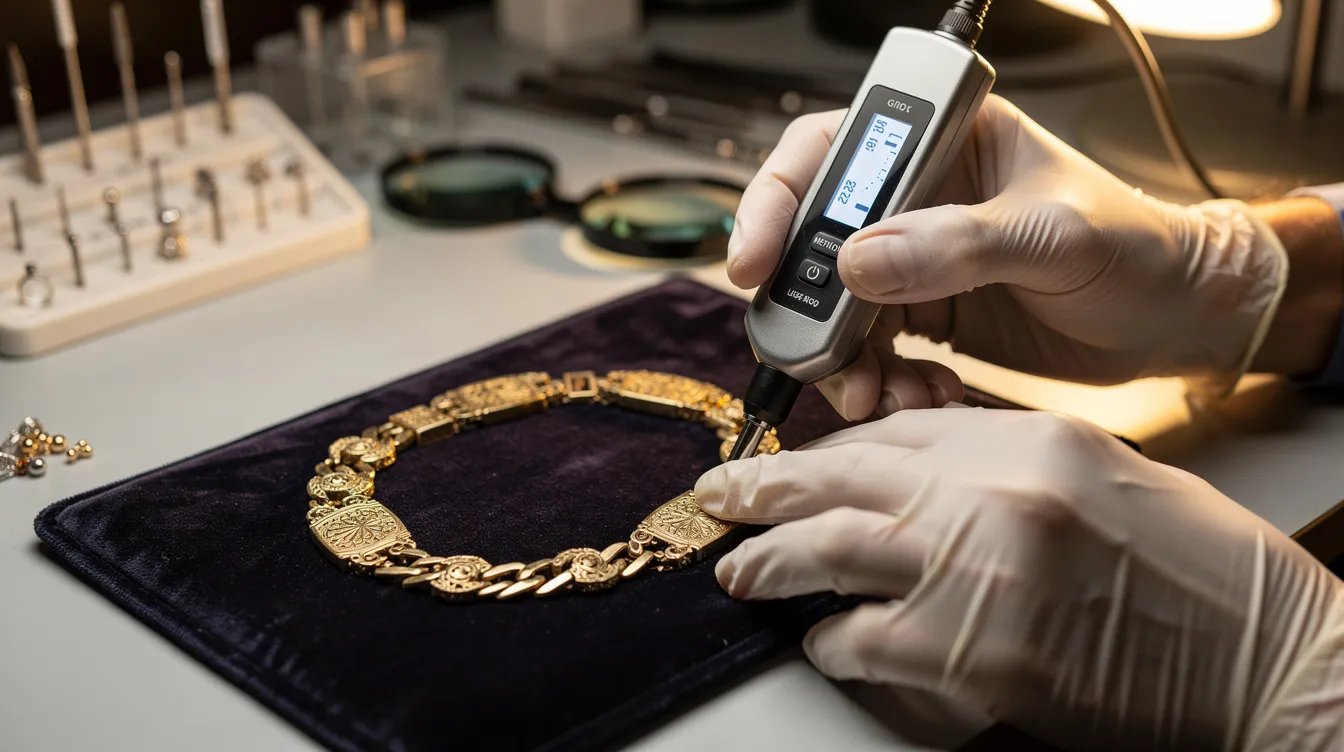
Gold prices have remained historically strong in recent years, making this an excellent opportunity to see what your jewelry may be worth.
Even pieces that are broken or missing stones may still have significant value because of their precious metal content.
Many customers are surprised by how much cash they receive from items they thought had little value.

Buying Jewelry From a Pawn Shop Makes Smart Financial Sense
The months after July 4th are also a great time to shop for jewelry.
Many shoppers don’t realize that pawn shops offer one of the best selections of quality jewelry available.
Unlike traditional retail jewelry stores, pawn shops feature constantly changing inventory.
Every visit is different.
You may discover:
- Diamond engagement rings
- Wedding bands
- Gold chains
- Designer jewelry
- Gemstone rings
- Luxury watches
- Earrings
- Bracelets
- Pendants
Because many pieces are pre-owned, customers often save hundreds—or even thousands—of dollars compared to traditional retail pricing.
That means your budget stretches much further.
Looking Ahead to Proposal Season
While it may seem early, engagement season isn’t far away.
Many proposals happen during:
- Thanksgiving
- Christmas
- New Year’s
- Valentine’s Day
Shopping early gives you several advantages.
You’ll have more inventory to choose from.
You’ll avoid holiday shopping pressure.
You’ll have time for resizing or custom work if needed.
You’ll also avoid waiting until everyone else begins shopping during the busiest jewelry season of the year.
Luxury Watches Continue to Be Popular
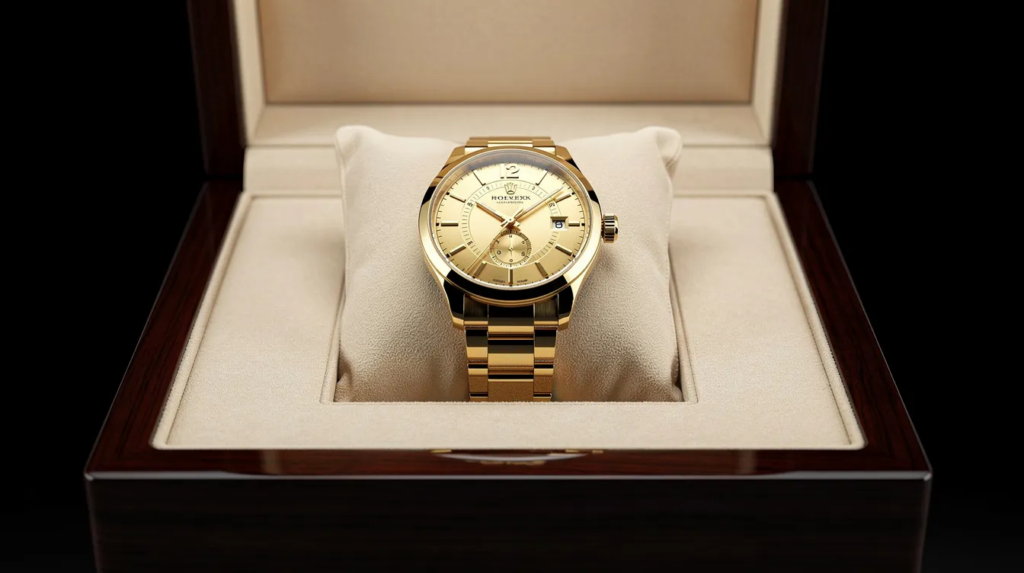
Luxury watches remain one of the strongest categories in the pawn industry.
Whether you’re interested in purchasing a quality timepiece or selling one you no longer wear, the months ahead are an excellent time to explore your options.
Many customers choose pawn shops because they can often find premium brands at substantial savings compared to buying new.
Likewise, sellers appreciate receiving competitive offers from professionals who understand luxury watches.

Gold Continues to Hold Value
Gold has long been considered one of the world’s most recognized stores of value.
Economic uncertainty, inflation concerns, and global events often influence precious metal prices.
While no one can predict future markets, many customers choose to:
- Sell unwanted gold while prices remain attractive.
- Purchase gold jewelry they can enjoy wearing.
- Add precious metals to their collections.
R&J Jewelry & Loan evaluates gold based on current market conditions, helping customers understand the value of what they own.
Fall Is a Busy Time for Buying and Selling
As summer turns into fall, many customers begin cleaning, organizing, and preparing for the holidays.
During this time people often discover valuable items they’ve forgotten about.
Common finds include:
- Jewelry tucked away in drawers
- Watches no longer worn
- Collectible coins
- Musical instruments
- Electronics
- Tools
- Designer handbags
- Silver items
These items can often become extra spending money or serve as collateral for a convenient pawn loan.
Holiday Shopping Starts Earlier Every Year
Retailers now begin holiday promotions months before Thanksgiving.
Many families begin shopping as early as September.
Buying jewelry from a pawn shop allows shoppers to:
- Save money
- Find unique gifts
- Stretch holiday budgets
- Purchase higher-quality items for less
Jewelry remains one of the most meaningful gifts you can give.
Whether you’re shopping for an anniversary, birthday, graduation, or holiday celebration, a pawn shop offers outstanding value.
Why Customers Keep Coming Back
Many first-time visitors are surprised by the friendly atmosphere inside a professional pawn shop.
Today’s pawn shops are clean, organized, and staffed by knowledgeable professionals.
Customers appreciate:
- Honest evaluations
- Transparent loan terms
- Competitive pricing
- Friendly customer service
- Confidential transactions
- Ever-changing inventory
Many become repeat customers because they discover just how convenient pawn services can be.
What Can You Pawn?
If you’re considering a pawn loan, you might be surprised by the variety of accepted items.
Depending on condition and demand, common items include:
- Gold jewelry
- Diamond jewelry
- Luxury watches
- Designer handbags
- Musical instruments
- Power tools
- Electronics
- Gaming systems
- Cameras
- Precious metals
If you’re unsure whether an item qualifies, simply bring it in for an evaluation.
Sell or Pawn? Which Is Better?
Many customers ask whether they should sell an item or pawn it.
The answer depends on your goals.
Selling is often the better choice if:
- You no longer want the item.
- It’s sitting unused.
- You’d rather receive immediate cash.
A pawn loan may be the better option if:
- The item has sentimental value.
- You expect your financial situation to improve soon.
- You want temporary cash while keeping ownership.
The team at R&J Jewelry & Loan can explain both options so you can make the decision that’s best for your situation.
Every Visit Is Different
Unlike traditional retailers, pawn shop inventory changes every day.
That means today’s visit may uncover something you won’t see tomorrow.
Treasure hunters love stopping in regularly because inventory is constantly rotating.
Whether you’re searching for fine jewelry, luxury watches, collectibles, electronics, or unique gifts, every visit brings new opportunities.
Supporting the Local Community
Pawn shops have served communities for generations by providing accessible financial services and affordable merchandise.
They help people:
- Access quick cash when needed
- Buy quality merchandise at lower prices
- Recycle valuable items instead of letting them go to waste
- Keep luxury goods affordable for more families
R&J Jewelry & Loan is proud to serve the San Jose community by offering professional service built on integrity, respect, and experience.
Finish the Year Strong
The months after July 4th often pass more quickly than expected. Before long, school is back in session, the holidays are approaching, and year-end expenses begin arriving.
Planning now can help reduce stress later.
Whether you need a fast pawn loan, want to sell unwanted jewelry, are searching for an engagement ring, or simply enjoy finding incredible deals on fine jewelry, R&J Jewelry & Loan is here to help.
Visit today to explore our constantly changing inventory, receive a professional evaluation of your valuables, or learn how a pawn loan can provide the flexibility you need without the hassle of traditional lending.
The second half of the year is full of opportunities—and your local pawn shop is ready to help you make the most of them.