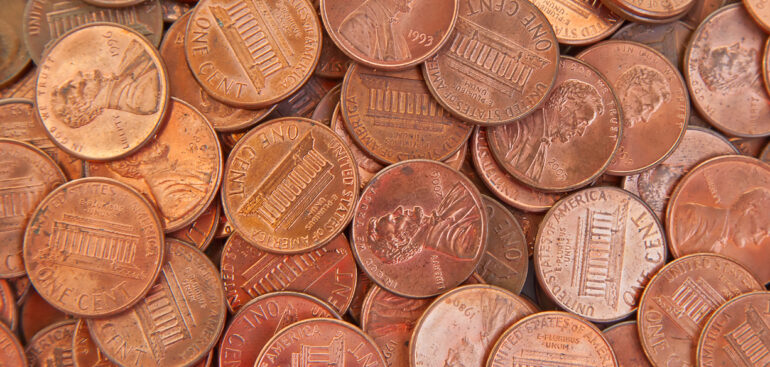
For generations, the humble penny has been part of everyday American life. It jingled in pockets, filled piggy banks, and clattered in the bottom of kitchen junk drawers. But over the past decade, keeping the penny around has become more controversial—some say it costs too much to produce, some say it has no real purchasing power, and others believe eliminating it would make cash transactions easier.
The debate over the penny is heating up again as discussions about retiring it rise across the financial and political world. Whether the U.S. ultimately eliminates the penny or simply reduces production, a major change in the country’s smallest denomination would have ripple effects—especially for the gold and silver markets and for collectors who wonder whether pennies will one day be worth far more than their face value.
This blog breaks down what the end of the penny means, why its future matters to precious metal investors, and whether saving your pennies now could pay off in the future. It also touches on how R&J Jewelry and Loan in San Jose can help you buy, sell, and pawn gold and silver during this period of change.
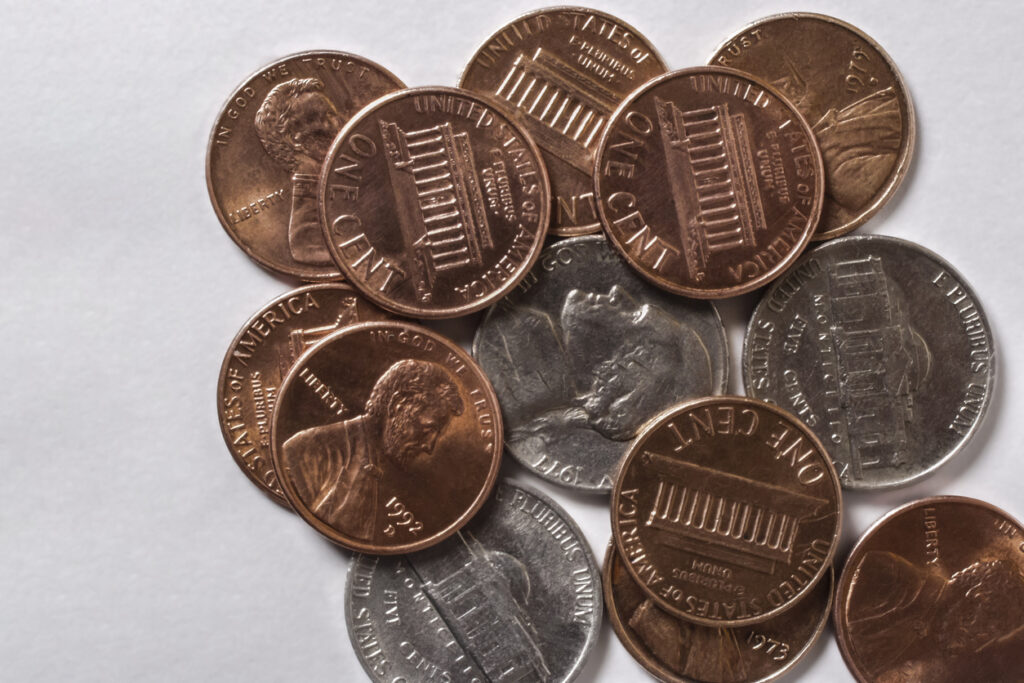
Why the Penny Is on the Chopping Block
The core issue comes down to cost.
Today, producing a single penny costs more than double its face value. The U.S. Mint spends over 2 cents to make each one-cent coin due to rising metal prices and manufacturing costs. Multiply that by the billions of pennies minted each year, and taxpayers are losing tens of millions of dollars annually.
Here are the major arguments behind eliminating the penny:
1. Production costs outweigh its usefulness
The penny no longer buys anything meaningful. It has lost nearly 95% of its purchasing power in the last century. With inflation continually rising and manufacturing costs increasing, continuing to mint it becomes economically impractical.
2. Pennies slow down commerce
Retail stores, banks, and cash-based businesses spend countless hours rolling, sorting, and transporting pennies. Removing them could create faster cash transactions and reduce operational overhead.
3. Consumers are increasingly cashless
Digital wallets, credit cards, tap-to-pay systems, and online shopping have made small change far less relevant. Many customers rarely handle coins at all.
4. Other countries have already done it
Canada, Australia, New Zealand, and many European nations have removed their smallest coins. Prices are rounded, and inflation did not spike as critics feared.
With all these factors in play, the question becomes: If the penny disappears, what happens next?

The Precious Metal Angle: What Happens to Gold and Silver?
While the modern penny is no longer made of copper—or gold or silver—it still has a symbolic effect on the metals market. Eliminating the penny could indirectly influence both gold and silver prices in the following ways:
1. Increased public awareness about metal value
When people learn that it costs more to make a coin than the coin is actually worth, they start asking why. That often leads to conversations about:
currency devaluation
inflation
real vs. perceived value
the stability of precious metals
Historically, when people lose trust in fiat currency, they turn to physical assets like gold and silver. The end of the penny may be a small factor, but symbolism matters in the precious-metals world.
2. The copper alternative effect
Older pennies—those minted before 1982—are made of 95% copper. These coins contain nearly 3 cents worth of copper at today’s prices. The fact that a one-cent coin can be worth 2–3 times its face value based solely on metal content leads people to think about what other metals might be undervalued, including gold and silver.
This kind of investor thinking helps fuel interest in precious metals, and many local experts, such as R&J Jewelry and Loan, can help you navigate buying and selling gold and silver as an investment or for liquid cash.
3. Investor behavior during currency transitions
Whenever a currency system changes, precious metals markets react.
If the U.S. announces the end of the penny, investors may anticipate:
economic tightening
currency reevaluation
increased reliance on digital money
potential price rounding affecting consumer spending
During such uncertainty, investors often hedge with gold and silver. Stores like R&J Jewelry and Loan provide a safe, local option for purchasing, selling, or pawning precious metals in response to market shifts.
4. Numismatic interest boosts precious metal enthusiasm
Coin collecting and precious metals often overlap. When a coin denomination is discontinued, collectors rush to gather the best examples. This renewed interest spills over into bullion demand, especially silver rounds, silver dollars, and gold coins.
A surge in collecting behavior—even short-term—could boost market activity. R&J Jewelry and Loan makes it easy to access gold and silver in multiple forms, whether you’re a collector or an investor.
Will Pennies Be Worth Money in the Future?
This is the biggest question for coin enthusiasts and everyday savers.
The short answer: Some will—and some won’t.
The long answer: It depends on their metal content, rarity, and condition.
1. Pennies Made Before 1982: The Copper Jackpot
Pennies minted before 1982 are made primarily of copper. Because copper has real commodity value, these pennies are already worth more than one cent—just not legally meltable yet.
Right now, federal law prohibits melting down pennies for scrap metal recycling. However, if the penny is eliminated entirely, those regulations might loosen.
If melting becomes legal, pre-1982 pennies could become 3x their face value or more, depending on future copper prices. And while copper pennies rise in value, stores like R&J Jewelry and Loan can provide a market for exchanging your metals, including gold, silver, and copper coins, for cash or collateral loans.
2. Pennies Made After 1982: Mostly Zinc
Modern pennies are mostly zinc with a copper coating. Their melt value is very low—far below one cent.
However, they may gain collectible value if production stops, but this will depend on:
key dates
mint errors
pristine condition
sealed or uncirculated rolls
Common pennies from the last 40 years won’t suddenly become valuable—but certain rare ones already are.
3. Rare Pennies That Are Worth Good Money Right Now
Even if the penny is discontinued, the following coins are already valuable:
1909-S VDB Lincoln Cent: $1,200–$3,000+
1943 Copper Penny (the “Holy Grail”): $100,000+
1955 Double-Die Penny: $1,000–$15,000
1972 Double-Die Penny: $200–$700
1983 Double-Die Reverse Penny: $100–$500
1992 Close AM Penny: $2,500–$12,000
1999 Wide AM Penny: $500–$5,000
These will continue to rise in value whether the penny is discontinued or not.
4. Will all pennies increase in value when they are discontinued?
Not right away. Here’s what will likely happen:
Short term (1–5 years):
People hoard pennies out of nostalgia
Collectors buy rolls, especially from final minting years
Value increases for rare dates and mint errors
No major jump for common pennies
Medium term (5–20 years):
Copper pennies rise in value if melting becomes legal
Uncirculated rolls from the final years may sell above face value
Penny-related collectibles and novelty items grow in demand
Long term (20+ years):
Just as silver coins boomed after the U.S. stopped minting 90% silver in 1964, discontinued pennies will eventually gain value because of scarcity and collector interest.
Copper pennies may become a more meaningful commodity asset
Meanwhile, local experts like R&J Jewelry and Loan provide a reliable avenue to buy, sell, or pawn precious metals, including gold and silver coins, jewelry, or bullion, helping collectors and investors take advantage of changing market conditions.
Could the End of the Penny Increase Gold and Silver Prices Long-Term?
Possibly—but not dramatically on its own.
However, the end of the penny would be part of a larger trend:
Currency losing purchasing power
Rising inflation
Increased electronic payment reliance
Decline in physical cash usage
Shifts toward alternative assets
When fiat currency becomes less useful—whether through inflation or discontinuation—people look for stability. Historically, gold and silver are where they go. The penny’s removal won’t trigger a precious metals boom by itself, but it could be another puzzle piece encouraging Americans to diversify into physical assets. And trusted local businesses like R&J Jewelry and Loan make it easy to participate in the market safely.
Should You Start Saving Pennies Now?
Here’s what experts generally recommend:
Save them if:
They were minted before 1982 (copper content)
They are part of sealed or uncirculated rolls
They show mint errors
You enjoy collecting coins
You want low-risk, nearly free exposure to copper
Don’t save them if:
You are expecting a fast financial return
You don’t have space to store thousands of coins
You dislike sorting or checking dates
Whether saving pennies, investing in gold or silver, or pawning valuables for cash, R&J Jewelry and Loan provides a reliable, local solution for residents looking to make the most of their precious metals.
Conclusion: The End of the Penny May Be the Beginning of Something Bigger
Whether the penny disappears next year or a decade from now, it’s clear that change is coming. The cost of producing the coin outweighs its usefulness, and Americans are rapidly shifting toward a cashless society.
But the end of the penny is more than just a small economic adjustment—it’s a symbolic shift that shines a light on currency value, inflation, consumer behavior, and precious metal markets. People who already invest in gold and silver are paying attention, and so are collectors who understand that discontinued coins often become more valuable with time.
Will pennies be worth big money someday?
Some will. Some already are. Copper pennies and rare error coins could become especially valuable. For those looking to buy, sell, or pawn gold and silver as part of a diversified approach to coins and precious metals, R&J Jewelry and Loan provides an accessible, trustworthy option.
Saving pennies may not make you rich overnight—but combined with the right knowledge of gold, silver, and other valuable metals, it could be a small yet important step in building long-term value.