Silver Prices: Current Market Trends, Analysis, and Investment Outlook for 2025

gold trends

Key Takeaways

  • Silver prices have surged nearly 40% in 2025, reaching 14-year highs above $42 per ounce amid strong industrial demand and geopolitical uncertainty

  • Industrial applications, particularly in solar panels, electric vehicles, and electronics, are driving unprecedented demand for silver as a critical commodity

  • Market experts predict silver could potentially reach $100-$130 per ounce in the long term due to supply deficits and undervaluation relative to gold

  • Mexico, Peru, and China dominate global silver production, while supply constraints and recycling contribute to ongoing market tightness

  • Investors can access silver through physical bullion, ETFs, mining stocks, and futures contracts, each offering different risk-return profiles

The silver market has captured investor attention in 2025 with a remarkable performance that has outpaced most commodities and precious metals. As both a precious metal and critical industrial commodity, silver’s unique dual nature creates compelling investment dynamics that differentiate it from gold and other traditional safe-haven assets.

This comprehensive analysis examines current silver prices, market fundamentals, supply dynamics, and investment strategies to help investors understand this complex and rapidly evolving market. With ongoing geopolitical tensions, persistent inflation concerns, and unprecedented industrial demand from renewable energy sectors, silver presents both significant opportunities and notable risks for today’s investors.

Silver Market

Current Silver Prices and Recent Performance

The silver spot price has experienced exceptional volatility and growth throughout 2025, with current market price levels trading consistently above $42-43 per troy ounce as of late 2025. The price of silver has shown significant movement in both current market values and historical trends, reflecting its importance in market analysis and investment decisions. This represents year-over-year gains exceeding 38%, with some months delivering approximately 12% increases that have pushed silver to multi-year highs not seen since the 2011-2012 precious metals rally.

Retail silver prices for physical silver bullion have reached approximately $1,414 per kilogram, reflecting both the underlying spot price appreciation and the way silver products are priced based on the spot price plus increased premiums dealers charge for physical silver products. The current price represents a dramatic recovery from the March 2020 lows near $12 per ounce, when pandemic-related market disruptions temporarily depressed precious metals pricing.

Daily price fluctuations continue to reflect real-time market conditions and trading activity across global exchanges, with the COMEX futures market and London Bullion Market Association setting primary price discovery mechanisms. The silver traded volumes have increased substantially as both institutional and private investors seek exposure to this precious metal.

Trading patterns show silver reached an 11-year high of $29.26 in April 2024, pulling back during summer months, then rallying sharply to current levels above $41 per ounce. This price action demonstrates silver’s characteristic higher volatility compared to gold, with more pronounced swings reflecting its smaller market size.

Factors Driving Silver Price Movements

Multiple interconnected factors contribute to silver’s exceptional 2025 performance, creating a complex web of supply and demand dynamics that professional investors and market analysts closely monitor. These dynamics have the potential to drive a rise in silver prices as market conditions evolve.

US dollar strength and Federal Reserve interest rate policy changes significantly impact precious metals demand, as lower rates typically reduce the opportunity cost of holding non-yielding assets like physical silver. Recent federal reserve rate cut expectations have provided tailwinds for precious metals, while ongoing concerns about currency devaluation drive investment demand for tangible assets.

Geopolitical tensions and trade wars have created substantial safe-haven investment flows into precious metals, with silver benefiting alongside gold as investors seek portfolio diversification outside traditional stock markets. The ongoing geopolitical issues and uncertainty surrounding global trade relationships continue supporting demand for precious metals industry products.

Inflation concerns and currency devaluation hedge strategies have become increasingly prominent as central banks worldwide grapple with monetary policy challenges. Silver’s historical role as an inflation hedge attracts investors seeking to preserve purchasing power, though its industrial applications provide additional price support mechanisms beyond pure monetary demand.

Supply and demand imbalances represent perhaps the most fundamental driver, with ongoing market deficits where consumption exceeds annual production. The silver institute and industry research organizations consistently report structural deficits that suggest tightening physical markets over the medium term. A significant portion of silver demand comes from the electronics and renewable energy sectors, further shaping market trends and influencing price movements.

Industrial Demand Drivers

The industrial side of silver demand has experienced unprecedented growth, fundamentally altering the market’s long-term supply and demand dynamics. Industrial demand now represents approximately 50% of total silver consumption, making price movements increasingly sensitive to economic activity and technological developments.

The solar industry accounts for roughly 16% of global silver demand, with 14% annual growth over the past decade as renewable energy adoption accelerates worldwide. Each gigawatt of new solar capacity requires approximately 20 tons of silver, translating to roughly 643,000 troy ounces per installation. China’s massive solar panel manufacturing expansion and global renewable energy commitments suggest this demand source will continue growing substantially.

Electric vehicles and their supporting charging infrastructure require significant silver content for battery technology, electrical connections, and power management systems. As electric vehicle adoption accelerates globally, this represents a new and growing source of industrial demand that didn’t exist at meaningful scale just a decade ago.

Electronics manufacturing continues utilizing silver’s superior conductivity properties in electronic devices, particularly for high-performance applications where silver’s unique properties cannot be easily substituted. The expansion of 5G technology, semiconductor demand, and increasingly sophisticated consumer electronics drives consistent baseline demand.

Medical applications leverage silver’s antibacterial properties for water purification systems and healthcare products, representing a smaller but steady demand component. This includes specialized applications in hospital equipment, water treatment facilities, and consumer health products where silver’s antimicrobial properties provide unique value.

The key role silver plays across these industrial sectors creates price support during economic expansions, but also exposes silver prices to cyclical downturns when industrial activity slows. This dual nature differentiates silver from gold, which primarily serves investment and jewelry demand.

Global Silver Production and Supply

Understanding the supply side dynamics provides crucial context for evaluating silver’s price trajectory and investment potential. Global silver production faces several structural challenges that contribute to ongoing market tightness.

Mexico leads world production with approximately 5,000 tons annually, representing roughly 20% of global output. Mexican mining companies have developed extensive silver-focused operations, though production growth has plateaued in recent years due to resource depletion and regulatory challenges. Peru, China, Russia, Bolivia, and Australia follow Mexico as major producing nations, each contributing between 1,000-3,000 tons annually.

A critical factor affecting supply is that silver mining often occurs as a byproduct of lead, zinc, and copper extraction rather than primary silver operations. This means silver supply is partially dependent on demand and pricing for base metals, creating complex supply elasticity that doesn’t always respond directly to silver price signals.

Recycling contributes approximately 20% of annual global silver supply through recovery from electronic devices, photographic film, jewelry, and industrial applications. However, recycling rates vary significantly based on silver prices and the availability of scrap material, making this supply source somewhat unpredictable.

Mining companies face increasing production constraints including resource depletion of high-grade deposits, rising extraction costs, environmental regulations, and longer project development timelines. New primary silver mine discoveries have become increasingly rare, with most new production coming from expansion of existing operations or byproduct extraction.

The supply side outlook suggests production growth will likely lag demand growth over the medium term, particularly if industrial demand continues expanding at current rates. This fundamental supply-demand imbalance represents a key argument for higher silver prices over time.

Expert Price Forecasts and Market Predictions

Market analysts and industry experts have developed increasingly bullish long-term silver price forecasts based on supply deficit projections and industrial demand growth expectations. A silver price forecast is used by experts to predict future price movements, taking into account factors such as supply, demand, and economic uncertainties.

First Majestic Silver Corp CEO Keith Neumeyer has maintained a $100-$130 per ounce long-term target since 2017, citing structural supply deficits and undervaluation relative to historical gold-silver ratios. His analysis suggests current pricing significantly undervalues silver’s industrial importance and monetary properties.

Several prominent analysts predict silver could reach $100-$150 within 3-5 years based on supply deficits and accelerating industrial demand. These forecasts typically assume continued renewable energy growth, electric vehicle adoption, and limited new mine development to address growing consumption.

Quarter-end futures expectations currently center around $43 per ounce, with 12-month targets ranging from $46-$52 depending on economic conditions and industrial demand growth. Options contracts reflect significant interest in higher strike prices, suggesting market participants anticipate potential upside breakouts.

Conservative estimates from mainstream financial institutions point toward new all-time highs beyond the previous $50 peaks reached during the 2011 precious metals rally. These projections typically factor in inflation-adjusted price appreciation and industrial demand growth without assuming extreme monetary conditions.

Technical analysis suggests silver could experience significant price acceleration if it breaks decisively above resistance levels near $45-$48 per ounce. Historical data shows silver tends to experience explosive price moves during precious metals bull markets, often outperforming gold by substantial margins.

Silver vs Gold Prices Dynamics

The current gold-to-silver price ratio near 80-90:1 compares to a production ratio of approximately 7.5:1, suggesting silver remains undervalued relative to its natural abundance and industrial utility. This ratio analysis forms a cornerstone of bullish silver arguments.

Historical analysis demonstrates silver outperforming gold during precious metals bull markets, with the ratio often falling to 40-50:1 during peak enthusiasm periods. If this pattern repeats, current silver prices could experience substantial appreciation even without gold price increases.

Silver’s higher volatility creates both opportunities and risks for investors, with daily price swings often exceeding 3-5% compared to gold’s typical 1-2% movements. This volatility reflects silver’s smaller market size and dual investment-industrial nature.

The dual nature as both precious metal and industrial commodity provides unique price support mechanisms that gold lacks. While gold serves primarily as a store of value and inflation hedge, silver benefits from irreplaceable industrial applications that create baseline demand.

Currency fluctuations, particularly us dollar movements, affect both metals but impact silver more dramatically due to its industrial applications and smaller market capitalization. A weaker us dollar typically benefits both metals, but silver often experiences amplified moves in both directions.

Silver Investment Options and Strategies

Silver investing encompasses a range of methods, from owning physical silver to participating in financial instruments like ETFs and mining stocks, each with unique benefits and risks.

Investors seeking silver exposure can choose from multiple investment vehicles, each offering different risk-return profiles, liquidity characteristics, and practical considerations.

Physical silver bullion, including coins, rounds, and bars, provides direct ownership and portfolio insurance against financial system risks. Popular choices include American Silver Eagles, Canadian Maple Leafs, and generic silver bars in various sizes from one ounce to 1,000-ounce bar form. To buy silver, investors should verify authenticity and purchase from reputable dealers to ensure quality and avoid counterfeits. Physical ownership requires consideration of storage, insurance, and verification procedures.

Silver exchange traded funds offer market exposure without storage requirements or authentication concerns. Major ETFs track silver spot price movements through physical silver holdings or futures contracts, providing liquidity and transparency for investors preferring exchange-traded products.

Mining company stocks provide leveraged exposure to silver price movements, as mining companies typically experience amplified earnings changes relative to underlying commodity prices. Buying shares of silver mining companies or silver-focused ETFs is another way to gain exposure to silver prices as part of a diversified silver investing strategy. However, mining stocks also carry company-specific risks including operational challenges, management quality, and project execution risks.

Silver futures and options contracts enable sophisticated traders to implement hedging strategies, leverage positions, or speculate on price direction. These derivative instruments require significant market knowledge and risk management capabilities but offer precise exposure control and capital efficiency.

Certified storage solutions address the practical challenges of large physical silver investments, providing professional vault services, insurance coverage, and audit verification. These services typically charge annual fees but eliminate many risks associated with personal storage.

Buying and Selling Physical Silver

Purchasing physical silver requires careful attention to dealer reputation, product authenticity, and pricing transparency. R&J Jewelry and Loan in San Jose, CA, along with other established precious metals dealers, typically offers verification services and guarantees product authenticity through recognized certification processes.

Premium pricing over spot rates varies significantly based on product type, market conditions, and purchase quantities. Silver coins generally command higher premiums than bars due to fabrication costs and collector appeal, while larger bars offer lower per-ounce premiums for substantial purchases.

Documentation requirements for selling silver back to dealers include proof of purchase, identity verification, and compliance with reporting regulations for large transactions. Understanding these requirements before purchase helps ensure smooth exit strategies when needed.

Storage considerations encompass security, insurance, accessibility, and environmental protection. Home storage requires safes or security deposit boxes, while commercial storage services offer professional facilities with comprehensive insurance coverage.

Liquidity advantages of recognized silver products become apparent during sale transactions, as well-known coins and bars command tighter bid-ask spreads and faster transaction completion. Generic or unusual products may face liquidity challenges during sale, making trusted dealers like R&J Jewelry and Loan in San Jose, CA a reliable option for both buying and selling.

Market Risks and Considerations

Silver investment involves several risk factors that potential investors should carefully evaluate before committing capital to this volatile precious metal market.

Price volatility significantly exceeds that of gold due to silver’s smaller market size, industrial demand sensitivity, and speculative trading activity. Daily price swings of 5-10% occur regularly, requiring appropriate position sizing and risk tolerance assessment.

Economic slowdown risks could substantially affect industrial demand for silver, as renewable energy projects, electronics manufacturing, and automotive production typically decline during recessions. This industrial sensitivity distinguishes silver from purely monetary precious metals.

Interest rate sensitivity impacts precious metals investment flows, as rising rates increase the opportunity cost of holding non-yielding assets. Federal reserve policy changes can trigger significant capital flows into or out of precious metals markets.

Currency fluctuations, particularly involving the us dollar and japanese yen, affect international silver trade and pricing dynamics. A stronger dollar typically pressures commodity prices, while currency instability often benefits precious metals demand.

Regulatory changes could potentially impact silver mining operations, trading mechanisms, or tax treatment of precious metals investments. Environmental regulations, mining permitting, and financial market rules all influence silver market dynamics.

Market manipulation concerns arise periodically regarding large futures positions, concentrated ownership, or coordinated trading activities. While regulatory oversight exists, the relatively small silver market size may be susceptible to influence by large players.

Frequently Asked Questions

What is the difference between silver spot price and retail price?

The silver spot price represents the immediate delivery value for large institutional transactions typically involving 1,000-ounce contracts or larger. Retail prices include dealer premiums, fabrication costs, shipping, and profit margins that individual investors pay when purchasing physical silver products. These premiums typically range from 3-8% above spot for bars and 10-20% for popular coins, varying based on market conditions and product availability.

How much silver should I include in my investment portfolio?

Financial advisors typically recommend a 5-10% precious metals allocation within a diversified portfolio, with silver comprising 10-25% of that allocation depending on individual risk tolerance and investment objectives. This translates to roughly 1-3% of total portfolio value in silver. Factors to consider include your belief in industrial demand growth, inflation expectations, portfolio diversification goals, and comfort with volatility.

Why is silver more volatile than gold?

Silver’s higher volatility stems from several structural factors including its much smaller market size (roughly 1/10th of gold’s market capitalization), dual industrial-investment demand that creates multiple price drivers, higher leverage to economic cycles through industrial applications, and greater sensitivity to interest rate changes. Additionally, silver’s lower absolute price per ounce means percentage moves appear larger, and speculative trading activity tends to be more pronounced relative to total market size.

Can silver prices really reach $100 per ounce?

While ambitious, several market factors support the possibility of triple-digit silver prices over the next decade. These include persistent supply deficits where consumption exceeds production, accelerating industrial demand from renewable energy and electric vehicle sectors, historical undervaluation relative to gold based on production ratios, and potential monetary policy responses to economic instability. However, such price levels would require sustained demand growth and limited supply responses, making timing and probability difficult to predict with certainty.

Is silver a good hedge against inflation?

Silver has historically performed well during inflationary periods due to its tangible asset nature, industrial demand that often correlates with economic activity, and investor preference for precious metals during currency devaluation concerns. However, silver’s industrial applications can create complex relationships with inflation – moderate inflation may support prices through industrial demand, while severe inflation could reduce industrial activity. Short-term performance can vary significantly, making silver more of a long-term inflation hedge rather than a reliable short-term correlation with consumer price indices.

Keeping Time in Style: Buying, Selling & Pawning Luxury Watches the Smart Way

Watches

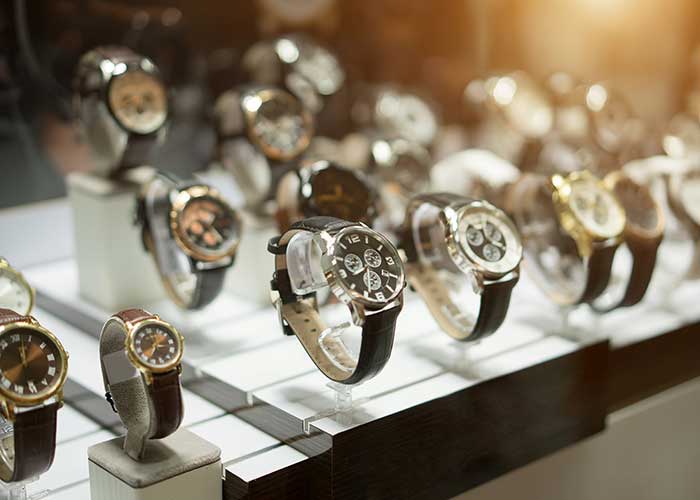
Luxury watches are more than just timekeepers—they’re heirlooms, status symbols, and investments that can last a lifetime. From the intricate craftsmanship of Rolex to the bold designs of Audemars Piguet and the timeless elegance of Omega, high-end timepieces never go out of style.

But when life happens—whether you need quick cash, want to upgrade your collection, or are ready to treat yourself—pawn shops like R&J Jewelry and Loan in San Jose, CA are the hidden gems of the luxury watch world. With years of expertise and a reputation for trust, R&J helps customers buy, sell, and pawn luxury watches with confidence.

In this guide, we’ll cover:

  • Three of the most coveted luxury watch brands

  • How pawn shops buy, sell, and pawn watches

  • What to look for when buying a pre-owned timepiece

  • Why R&J Jewelry and Loan is San Jose’s go-to luxury watch expert

Why Luxury Watches Hold Their Value

Unlike many consumer goods, luxury watches often appreciate—or at least retain—a significant portion of their value over time. Why?

  1. Craftsmanship: High-end brands use premium materials like 18K gold, platinum, and sapphire crystal.

  2. Heritage: Companies like Rolex and Omega have histories spanning over a century, creating demand from collectors.

  3. Limited Supply: Many models are produced in small batches, making them rare and desirable.

  4. Cultural Significance: Think James Bond’s Omega Seamaster or celebrities flashing their Rolex Daytonas—these watches symbolize prestige.

This combination of rarity, craftsmanship, and legacy makes luxury watches both wearable art and investment pieces.


Spotlight on Three Luxury Watch Icons
Rolex watches

1. Rolex – The Crown of Timepieces

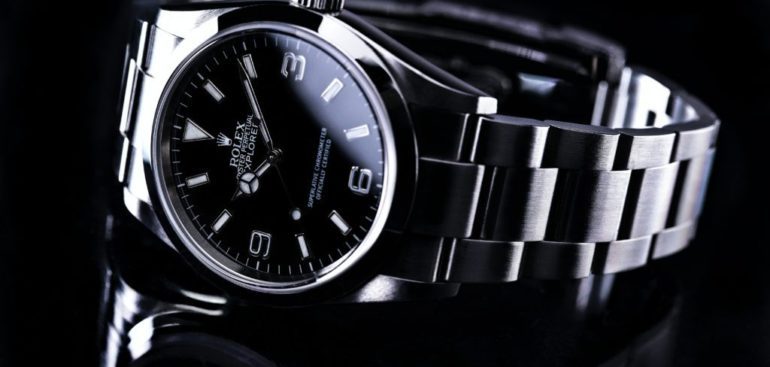
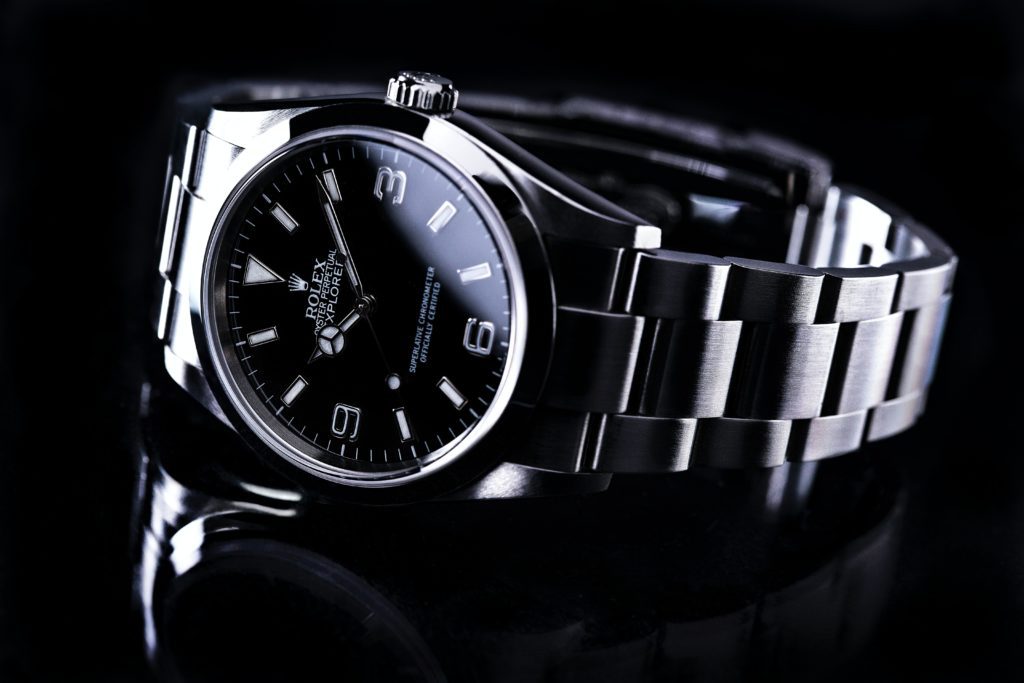
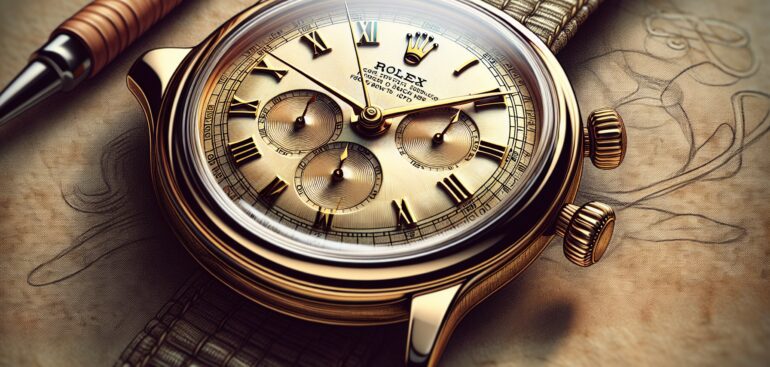
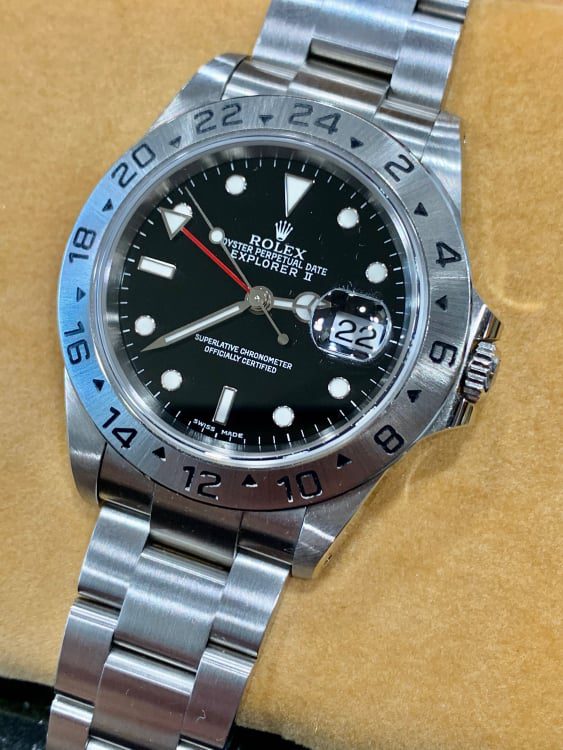
When it comes to luxury watches, Rolex is the name everyone knows. Models like the Submariner, Daytona, and Datejust are not just watches—they’re cultural icons.

  • Why They’re Valuable: Rolexes hold their value exceptionally well due to brand prestige, consistent demand, and durability.

  • Pawn Shop Advantage: Rolex watches are some of the easiest to pawn or sell because they have a strong resale market.

  • Investment Tip: Limited edition models and stainless-steel sports models, like the Submariner, often increase in value over time.
watches

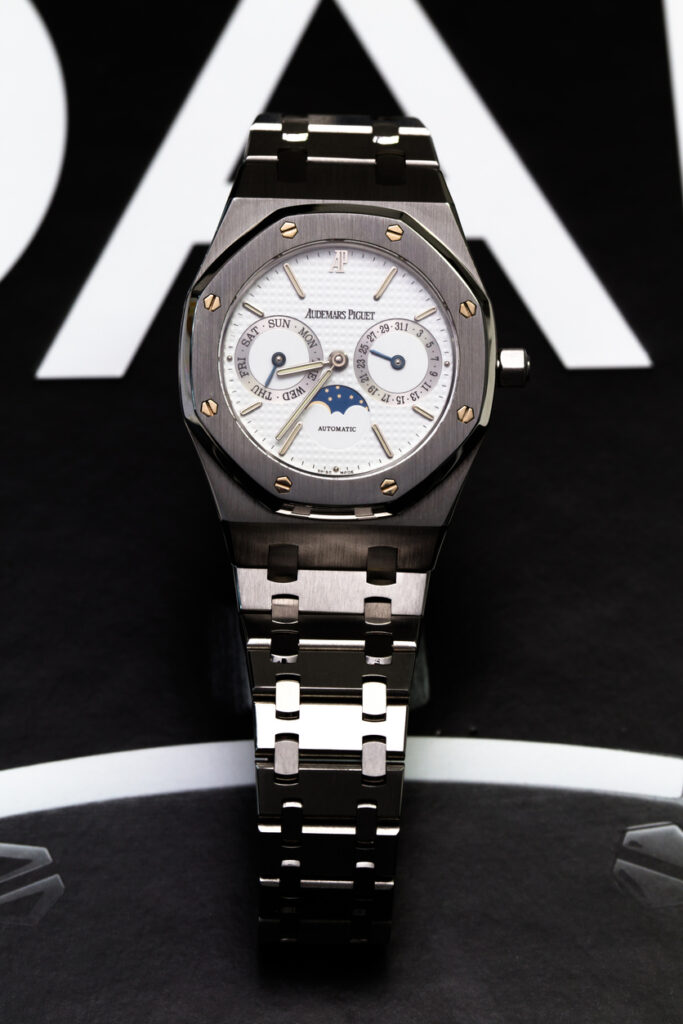
2. Audemars Piguet – Bold & Exclusive

Known for its Royal Oak line, Audemars Piguet (AP) is synonymous with luxury and exclusivity. With its signature octagonal bezel and intricate detailing, the Royal Oak is one of the most recognizable watches in the world.

  • Why They’re Valuable: AP produces fewer watches annually than Rolex, making them rarer.

  • Pawn Shop Advantage: Because of their scarcity, AP watches command high pawn values and are sought after by collectors.

  • Investment Tip: The Royal Oak Offshore models, especially limited editions, tend to hold and even appreciate in value.
3. Omega – Precision Meets Legacy

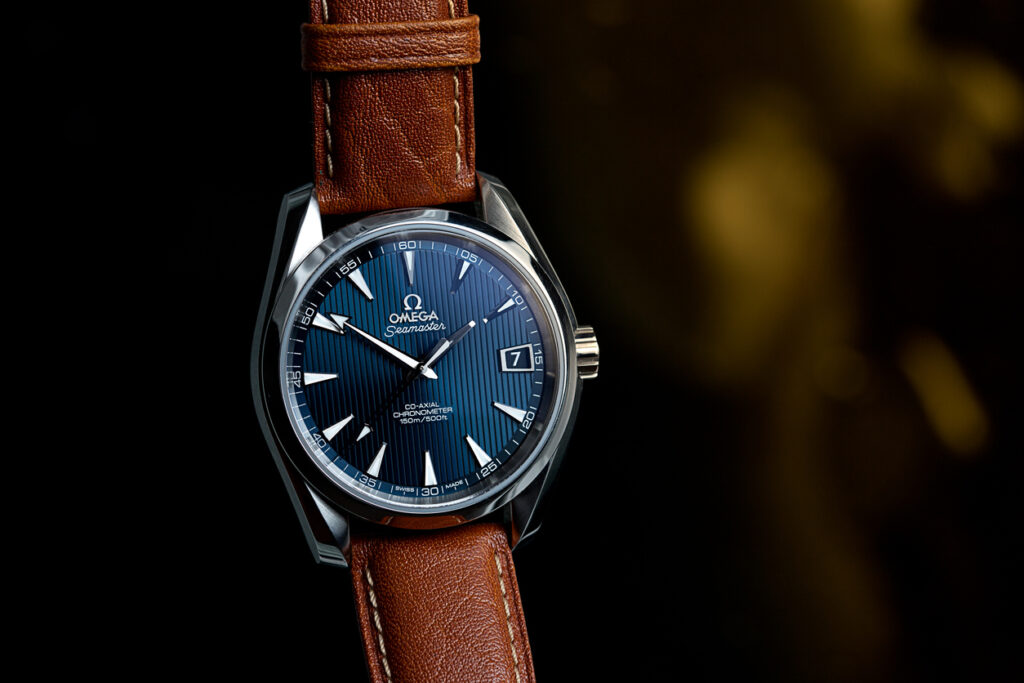
Omega is famous for being the first watch on the moon (Speedmaster) and James Bond’s timepiece of choice (Seamaster). Omega combines affordability (relative to Rolex and AP) with prestige.

  • Why They’re Valuable: Their historic achievements, Swiss precision, and brand recognition keep them in steady demand.

  • Pawn Shop Advantage: Omega offers a strong middle ground for those who want a luxury watch at a more approachable price.

  • Investment Tip: Limited edition Speedmasters and vintage Seamasters are popular among collectors and can fetch high prices.

Christmas gifts

How Pawn Shops Buy Luxury Watches

When you walk into R&J Jewelry and Loan with a luxury watch, here’s what happens:

  1. Authentication: Experts verify brand, model, and serial numbers to confirm authenticity.

  2. Condition Check: The physical condition, including scratches, crystal quality, and functionality, plays a role.

  3. Market Value Assessment: The watch is compared against current resale and auction prices.

  4. Offer: R&J makes a competitive cash offer based on market demand and the watch’s condition.

This process ensures you receive a fair and transparent value.

How Pawning Works

Need cash but don’t want to sell your watch outright? Pawning is the perfect option.

  • You bring your Rolex, AP, or Omega into R&J Jewelry and Loan.

  • Experts appraise the watch and offer a loan based on its value.

  • Your watch is securely stored during the loan period.

  • Once you repay the loan plus interest, you get your timepiece back.

This is a fast, secure way to access money without parting with your luxury watch permanently.

Buying Luxury Watches at a Pawn Shop

Buying a pre-owned luxury watch at R&J Jewelry and Loan has its advantages:

  • Lower Prices: Pre-owned watches often cost significantly less than retail.

  • Verified Authenticity: R&J’s experts carefully inspect and authenticate each watch.

  • Wide Selection: Inventory changes frequently, offering opportunities to snag rare models.

  • Investment Potential: Many pre-owned watches hold or increase in value, making them smart investments.

What to Look for When Buying a Pre-Owned Luxury Watch

To ensure you’re making a sound investment, keep these tips in mind:

  1. Check Authenticity: Ask for documentation and serial number verification.

  2. Examine Condition: Look for scratches, worn bands, or replacement parts.

  3. Service History: Watches serviced by the brand or reputable jewelers retain value better.

  4. Market Trends: Research current resale values before purchasing.

At R&J Jewelry and Loan, all watches undergo rigorous testing and authentication, giving you confidence in your purchase.
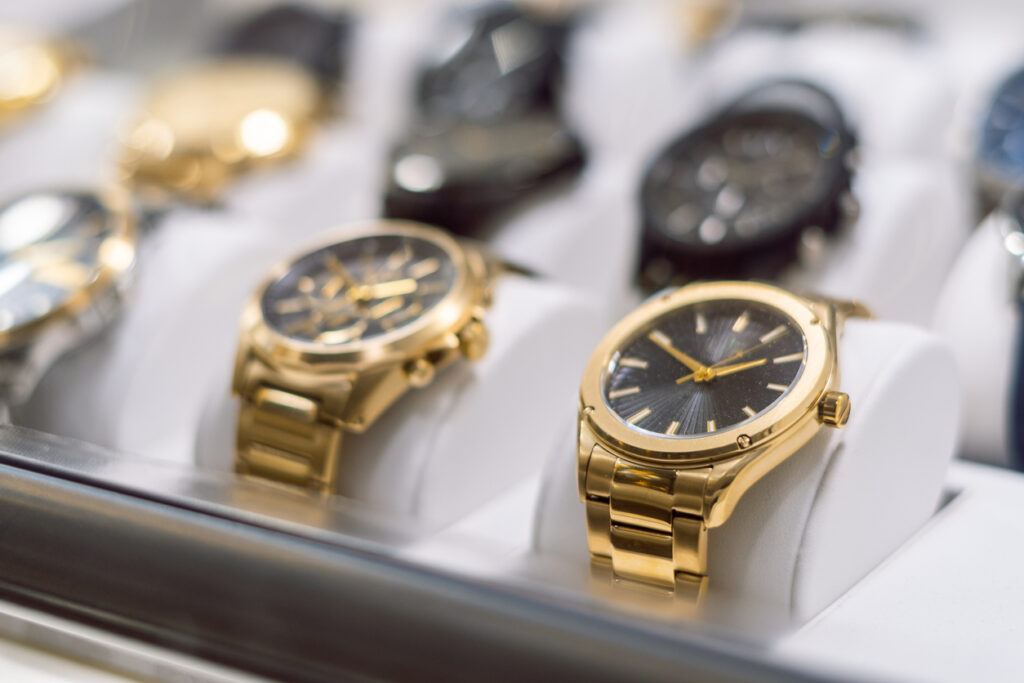
luxury watches

Why Choose R&J Jewelry and Loan in San Jose, CA?

Not all pawn shops are equal. Here’s why R&J stands out:

  • Trusted Experts: With years of experience, the team knows luxury watches inside and out.

  • Transparent Process: Every step, from authentication to pricing, is explained clearly.

  • Community Reputation: As a family-owned business in San Jose, R&J has built trust with locals for decades.

  • Fair Pricing: Whether buying, selling, or pawning, you can count on competitive offers.

The Investment Side of Luxury Watches

Are luxury watches a good investment? The answer depends.

  • Rolex: Generally, yes. Stainless steel sports models and rare editions often appreciate.

  • Audemars Piguet: High investment potential due to scarcity.

  • Omega: More stable than explosive, but vintage and limited editions are solid.

Like all investments, there are risks—market trends shift, and condition matters. However, luxury watches are unique in that you can enjoy them while they retain value.


Final Thoughts: Time Is Money

Whether you’re selling a Rolex, pawning an Audemars Piguet, or shopping for an Omega to add to your collection, R&J Jewelry and Loan in San Jose is your trusted partner. With expert knowledge, transparent practices, and a passion for luxury timepieces, they make the process seamless.

Luxury watches are more than just accessories—they’re financial assets, family heirlooms, and works of art. And at R&J, every watch is treated with the respect it deserves.

So, the next time you wonder where to buy, sell, or pawn a luxury watch in San Jose, remember: time is money, and R&J Jewelry and Loan helps you make the most of both.
Unlock the Hidden Value in Your Jewelry: How R&J Jewelry & Loan Is Your Trusted Gold & Gem Expert

Hidden value

This fall, it’s time to rediscover what’s hiding in your jewelry box. Pieces you once loved, items you’ve inherited, or jewelry that’s fallen out of style could be worth more than you realize. At R&J Jewelry & Loan in San Jose, CA, the team of expert jewelers and gemologists specializes in helping people uncover hidden value in their belongings. Whether you’re considering selling, seeking a loan, or simply wanting to restore a treasured piece, R&J has been the community’s trusted partner since 1978.

Hidden value

Gemology Meets Genuine Care

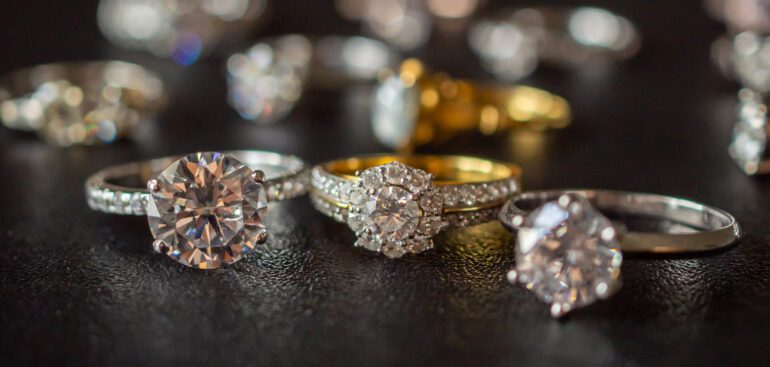
What makes R&J Jewelry & Loan stand out is their commitment to both expertise and honesty. With a GIA-certified gemologist on staff, evaluations go far beyond surface-level guesses. Every diamond, gemstone, or piece of estate jewelry is examined with precision. The gemologist considers cut, clarity, color, and carat weight, along with craftsmanship and history.

That means you don’t just get a number pulled from thin air—you get a thoughtful evaluation grounded in real knowledge and care. Customers leave with the confidence that their jewelry was respected and properly valued.

This is especially important for family heirlooms or estate jewelry. These pieces often hold emotional significance in addition to financial value. At R&J, both aspects are considered. Their evaluations aren’t just about the weight of the gold or the sparkle of a diamond; they also account for uniqueness, design, and history.


A Transparent Process from Start to Finish

One of the most stressful parts of selling or pawning jewelry is wondering whether you’re being treated fairly. R&J Jewelry & Loan makes the process clear, open, and easy to follow.

  • Gold purity tests are done on-site, so you know exactly what you have.

  • Spot pricing and market conditions are factored in, so you can see how your offer is calculated.

  • Transparent conversations explain what adds value to your piece—whether it’s gemstone quality, rarity, or the reputation of the designer.

This straightforward approach ensures that customers walk away with peace of mind, not second-guessing their decision.

Diamonds

Quick Cash When You Need It

Sometimes, life throws curveballs, and financial flexibility becomes a priority. That’s where R&J’s services really shine.

If you have unwanted or broken gold jewelry, R&J will make you an offer based on purity and weight. Even small items—like single earrings, broken chains, or out-of-fashion rings—can add up to significant cash.

And if you’re not ready to part with something permanently, there’s another option: pawn loans.


Pawn Loans: Secure, Fast, and Confidential

A pawn loan is a short-term loan where you use an item of value—like jewelry, gold, or watches—as collateral. At R&J Jewelry & Loan, this process is simple, discreet, and secure.

Here’s how it works:

  1. You bring in your item for evaluation.

  2. R&J offers a loan amount based on its value.

  3. You receive cash immediately, and the item is safely stored.

  4. Once you repay the loan, you get your piece back.

It’s an excellent solution for people who need fast access to money but don’t want to sell a beloved item outright. Unlike traditional loans, there are no credit checks, no invasive questions, and no long waiting periods. Everything is handled with privacy and professionalism.

Christmas gifts

Beyond Gold: Estate Jewelry and Luxury Items

While gold and diamonds are common choices for selling or pawning, R&J Jewelry & Loan welcomes a wide range of valuables.

  • Estate jewelry: Vintage rings, antique necklaces, or unique family heirlooms are evaluated with care, factoring in both precious materials and craftsmanship.

  • Designer handbags: High-end brands like Louis Vuitton, Chanel, and Gucci can be turned into instant cash if they no longer fit your style.

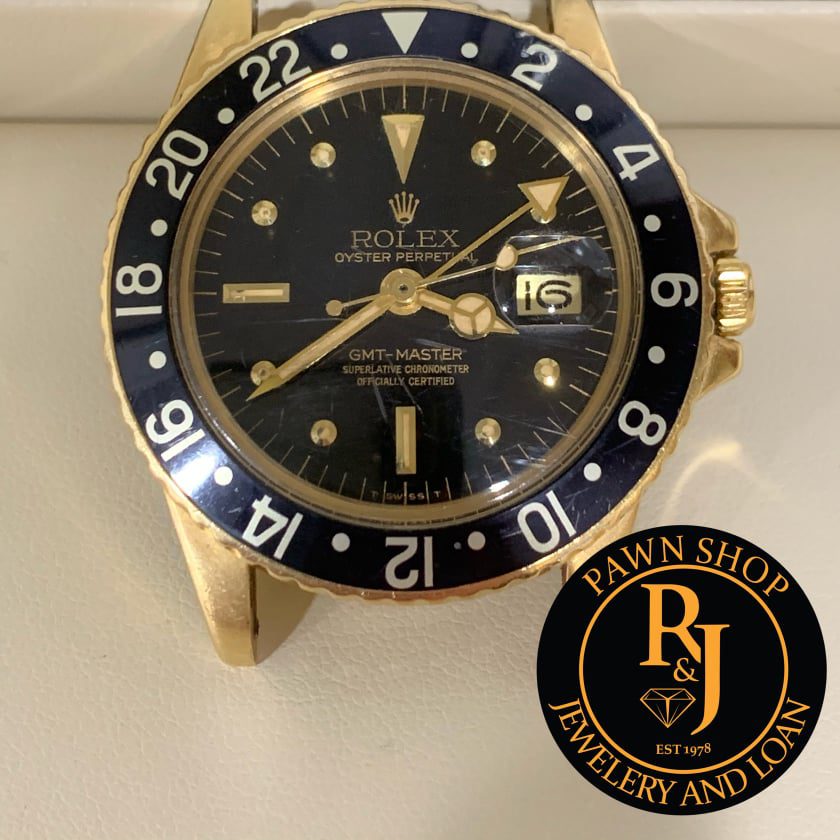
  • Luxury watches: From Rolex to Tag Heuer, timepieces are carefully assessed for authenticity, condition, and market value.

By accepting more than just jewelry, R&J gives customers greater flexibility in how they unlock the value of their personal assets.


Repair and Restoration Services

Not every piece brought into R&J is destined to be sold or pawned. Sometimes, a treasured ring simply needs resizing, or a favorite necklace has a broken clasp. The jewelers at R&J specialize in repairs, cleanings, and even customizations.

A piece that looks dull or damaged can be transformed, bringing back its original sparkle. This not only restores beauty but can also increase the piece’s value, should you ever decide to sell it in the future.


A Family Legacy of Trust

Founded in 1978, R&J Jewelry & Loan has deep roots in the San Jose community. As a family-operated business, integrity and trust are central to their philosophy. Over the decades, they’ve built lasting relationships with generations of customers who rely on them not just for transactions, but for ongoing care and service.

Their reputation rests on:

  • Fair and accurate evaluations

  • Clear communication

  • Commitment to confidentiality

  • Respect for every customer and every item

This combination of professionalism and genuine human connection makes R&J much more than just a pawn shop—it makes them a valued community partner.


Real Stories, Real Value

Imagine Sarah, who inherited a 14k gold ring. It wasn’t her style, but she wasn’t ready to let go of it. She took it to R&J, where the gemologist confirmed its purity and explained its value. Sarah decided on a pawn loan, giving her quick access to cash while keeping the ring safe. A few weeks later, she repaid the loan and had her heirloom back in her hands.

Or consider John, who owned a Rolex watch he no longer wore. When unexpected expenses came up, he brought it in. After a fair evaluation, he received a loan that carried him through the month. The process was private, stress-free, and gave him control over his own assets.

These stories reflect the heart of R&J’s mission: helping people use what they already own to create financial breathing room.

hidden value items

Why Choose R&J Jewelry & Loan?

Customers who walk through the doors of R&J quickly learn that it’s not just about buying and selling. It’s about building trust and providing options. Here’s what sets them apart:

  • Expert gemologists and jewelers who offer knowledge-backed evaluations

  • Transparent and fair offers, grounded in real market data

  • Confidential pawn loans, free from credit checks and unnecessary hurdles

  • Repair and appraisal services, keeping your jewelry in top shape

  • A wide range of accepted items, from gold and diamonds to luxury watches and handbags

  • Decades of trusted service as a family-run, licensed business


Wrapping It Up: Your Jewelry, Your Options

This fall is the perfect time to take a fresh look at your jewelry box. Whether you’re downsizing, need quick access to cash, or simply want to breathe new life into old pieces, R&J Jewelry & Loan is here to help.

From expert evaluations and repair services to pawn loans and gold buying, they offer a complete suite of services designed with care, transparency, and integrity. For over four decades, San Jose locals have trusted R&J as more than a pawn shop—they’ve trusted them as partners in turning valuables into opportunities.

Your jewelry holds stories, history, and value. With R&J Jewelry & Loan, you can unlock that value while knowing you’re in the hands of true professionals.