Silver Trend in 2026: What San Jose Pawn Shop Customers Should Know

2026 Silver Trends

Key Takeaways

  • Silver prices have surged dramatically since 2020, rising from approximately $800/kg to over $3,000/kg by January 2026, making this an opportune time for San Jose residents to evaluate their silver holdings.

  • 2026 forecasts point to continued market volatility, with many analysts expecting average prices between $70–$100+ per ounce but warning of sharp short-term swings that could affect what you receive when selling.

  • For customers of R&J Jewelry and Loan in San Jose, CA, this environment creates real opportunities to sell unwanted sterling silver jewelry, flatware, and coins at prices significantly higher than just a few years ago.

  • Industrial demand from solar panels, electric vehicles, and AI data centers continues to drive global silver demand, according to the Silver Institute. Silver’s antibacterial properties also make it essential in medical applications, such as wound dressings and medical devices.

  • Silver is also valued as a hedge against inflation and currency fluctuations, making it a safe haven asset during uncertain times.

  • R&J Jewelry and Loan can evaluate your silver items, explain the difference between melt value and collectible value, and help you decide whether to sell now or hold for potentially higher prices.
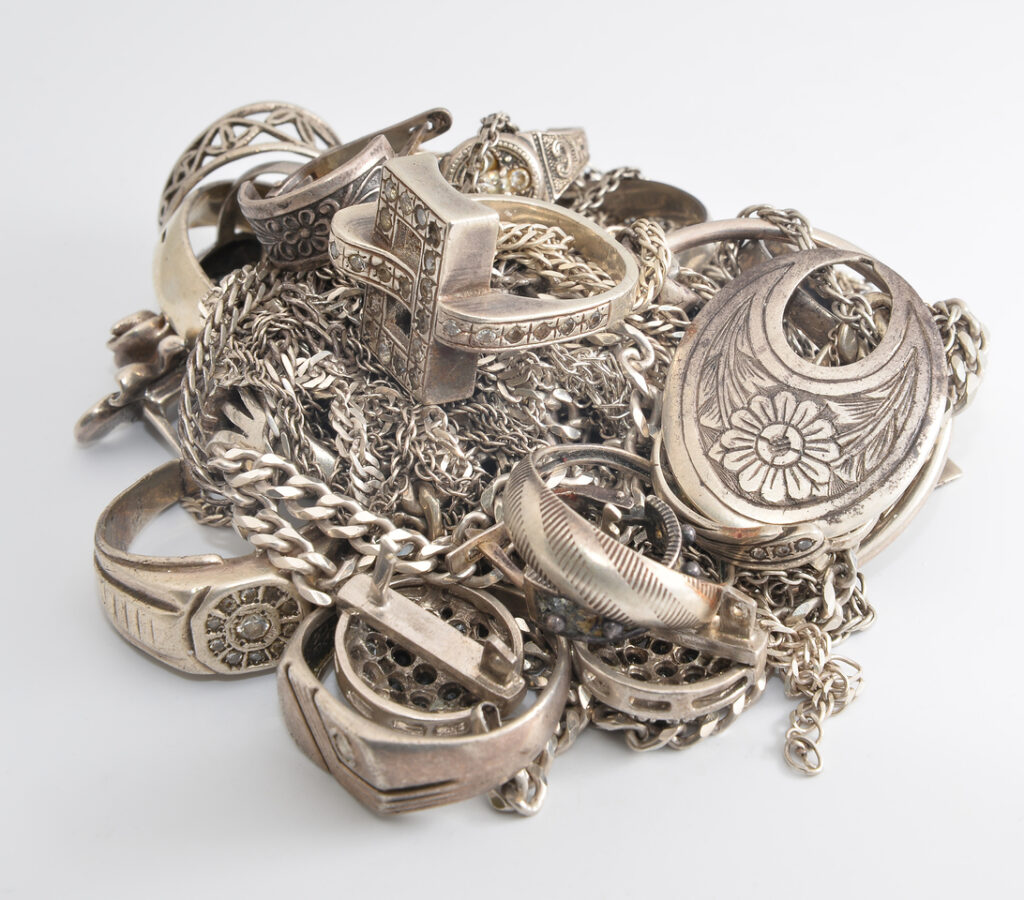
silver trends in 2026

Silver Price Snapshot in Early 2026

If you’ve been wondering where the price of silver stands as 2026 begins, here’s the short answer: it’s significantly higher than most people expect. As of today’s price, silver is trading above $70 per ounce—equivalent to well over $3,000 per kilogram.

In January 2026, silver is trading above $70 per ounce—equivalent to well over $3,000 per kilogram. Compare that to early 2020, when prices hovered around $800/kg, and you can see why so many households are re-evaluating their jewelry boxes and coin collections. This represents a rise of several hundred percent in just six years. The lower price levels seen in previous years made silver an attractive investment opportunity for those seeking value, and the recent surge highlights the potential returns.

The recent trend shows strong gains since 2020, with notable spikes during periods of inflation concerns and geopolitical tensions. Silver reached intraday highs near $83.60 per ounce in 2025, approaching record highs, though prices have also experienced pullbacks during calmer economic periods. This pattern of sharp rises followed by corrections has become a hallmark of the current silver market.

For customers visiting pawn shops like R&J Jewelry and Loan, these numbers translate directly into what you can receive for your items. We base our offers on the live silver prices, combined with your item’s weight, purity, condition, and any collectible premium. Many San Jose residents are genuinely surprised when they learn how much their older sterling silver flatware, broken chains, or inherited silver coins are worth in this higher-price environment.
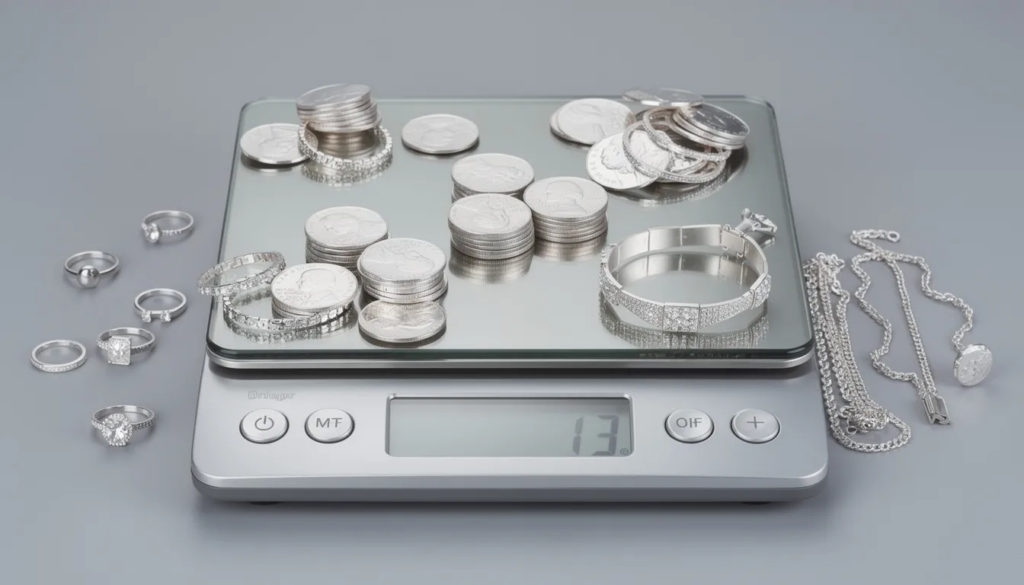
Silver Forecast

Long-Term Silver Forecast for 2026 and Beyond

No one can guarantee where precious metals prices will land by year’s end, but many analysts publish detailed ranges and scenarios for 2026, 2027, and even 2030. Analysts expectations play a crucial role in shaping market sentiment and influencing price forecasts, as investor behavior often responds to these predictions. Understanding these forecasts can help you make informed decisions about your silver holdings.

The general forecast tone leans bullish. Many research houses expect silver to stay in an elevated range throughout 2026 compared to pre-2020 levels. According to multiple analyst reports, the silver price forecast for 2026 suggests base-case scenarios in the $70–$80 per ounce range, while more optimistic projections point toward $85–$90 if industrial demand remains strong and monetary policies turn more accommodative.

Forecast Scenario

Expected Price Range

Key Assumptions

Base Case

$70–$80/oz

Stable demand, continued deficits

Bullish Case

$85–$90/oz

Strong industrial growth, rate cuts

Bearish Case

$60–$70/oz

Dollar strength, investor rotation

Long-term (2030)

$100+/oz

Sustained clean-energy demand

Some bullish long-term projections for 2030 suggest silver could be significantly higher than 2026 levels if clean-energy demand stays strong and supply growth remains limited. Analysts from firms like US Global Investors and BNP Paribas Fortis have publicly stated expectations exceeding $100 per ounce in coming years. Is silver a good investment? Historically, silver has held intrinsic value as both a precious metal and a financial asset, making it a popular choice for investors seeking diversification and a hedge against inflation.

For everyday sellers, these forecasts matter because a tighter market usually means stronger offers for scrap, jewelry, and coins. Staff at R&J Jewelry and Loan can explain how the current day’s spot price compares to recent highs and lows, helping you decide if now feels like the right moment to sell.

Key Drivers Behind 2026 Silver Outlook

Several concrete factors are pushing analysts to maintain bullish expectations for silver in 2026. Understanding these drivers helps explain why prices remain elevated and what could push them higher—or lower—in the months ahead.

Green Energy Demand

Solar panels now consume more than 25% of global silver supply, with demand accelerating as the International Energy Agency forecasts solar capacity quadrupling by 2030. Electric vehicle production has amplified this trend, with silver demand for sensors, high-voltage wiring, and power-management systems jumping an estimated 20% in 2025 alone. The average vehicle silver loadings have been rising over the past few decades, with battery electric vehicles consuming more silver than internal combustion engine vehicles.

Interest Rates and Inflation

Stubborn inflation and expectations of Federal Reserve rate cuts through 2026 support precious metals pricing. Lower real yields reduce the opportunity cost of holding physical assets like silver, making investment in tangible metals more attractive compared to interest-bearing alternatives.

Supply Constraints

Silver primarily comes as a byproduct of gold, lead, zinc, and other metals mining, meaning price spikes don’t rapidly translate to increased output. The silver market has experienced a fifth consecutive year of structural supply deficits, with demand outpacing mine supply by 160–200 million ounces in 2025.

For San Jose, CA-area customers, these global forces quietly influence what local pawn shops can pay for silver jewelry, coins, and bullion—they all tie back to the spot price determined by worldwide supply and demand. Consider that increased California solar installations and EV adoption represent local links to this broader trend.

Silver Forecast

Short-Term Volatility: What 2026 Means Month to Month

While the long-term trend may be upward, 2026 is likely to see frequent short-term swings of several percent per week or even per day. Market volatility has become a defining characteristic of the silver market, creating both opportunities and risks for those looking to sell or invest in silver. This short-term volatility also creates opportunities for those who want to trade silver for profit, as quick price movements can be leveraged for financial gain.

Here’s a practical example: a typical ounce price might drop 2–3% on calmer economic news, then jump 4–5% when new inflation data or geopolitical tensions make headlines. In March 2026, CME Group hiked silver contract margins to $25,000, which squeezed smaller traders and contributed to additional price swings. These market fluctuations can happen quickly and unpredictably.

Why This Matters for Sellers

Selling on a “down” week could mean noticeably less cash for the same silver necklace or coin versus selling after a price bounce. The difference of a few dollars per ounce might seem small, but it adds up quickly on heavier items like flatware sets or larger coin collections.

We encourage readers in San Jose, CA to call or visit R&J Jewelry and Loan for same-day quotes, since we track current market prices and update offers accordingly. Those not in a rush might benefit from checking prices over several days to get a feel for the current range before committing to sell larger silver holdings. Some customers are also investing in silver to benefit from these price swings, aiming to maximize returns as the market fluctuates.

How Silver’s Industrial and Jewelry Demand Shape 2026 Trends

Silver isn’t just a “coin and bar” metal—its industrial and jewelry uses strongly influence price trends. Historically, silver has also served as a recognized currency and store of value, acting as a hedge against currency fluctuations and inflation. In fact, industrial demand now consumes over half of global silver demand each year, a shift that fundamentally supports prices regardless of investment flows.

Key industrial uses include electronics, solar panels, medical applications, and water purification systems, where silver’s antibacterial properties are used to destroy harmful bacteria.

Main Industrial Demand Sources

  • Solar panels and photovoltaics: Silver’s exceptional conductivity makes it essential for solar cell production, with manufacturers using record quantities as installations surge worldwide

  • Electric vehicles and electronics: Modern EVs require silver for advanced connectors, sensors, and power-management systems—demand that grows with every new model

  • Medical devices and specialized applications: Silver’s antibacterial properties and conductivity make it valuable in healthcare and precision instruments

  • AI data centers and semiconductors: Emerging applications require silver for high-efficiency electrical components and thermal management in facilities handling extreme power loads

According to the Silver Institute, industrial demand for silver—especially in sectors like solar energy, electronics, and medical technology—continues to reach new highs each year.

Jewelry and Silverware Demand

Sterling silver (92.5% pure) remains popular for rings, bracelets, chains, and designer pieces, with steady demand in fashion and bridal markets. The value of these everyday items rises alongside the global market when industrial demand is strong and mine supply is tight.

In 2026, many households are re-evaluating older silver items, choosing to sell pieces they no longer wear or use to take advantage of the stronger silver environment. That inherited flatware set or dated bracelet sitting in a drawer could be worth considerably more than you’d expect.

Sterling Silver vs. Bullion: What San Jose, CA Customers Should Understand

Understanding the difference between sterling silver and investment-grade bullion helps you know what your items are actually worth.

Type

Purity

Common Forms

Valuation Notes

Sterling Silver

92.5%

Jewelry, flatware

Adjusted for lower purity

Fine Silver Bullion

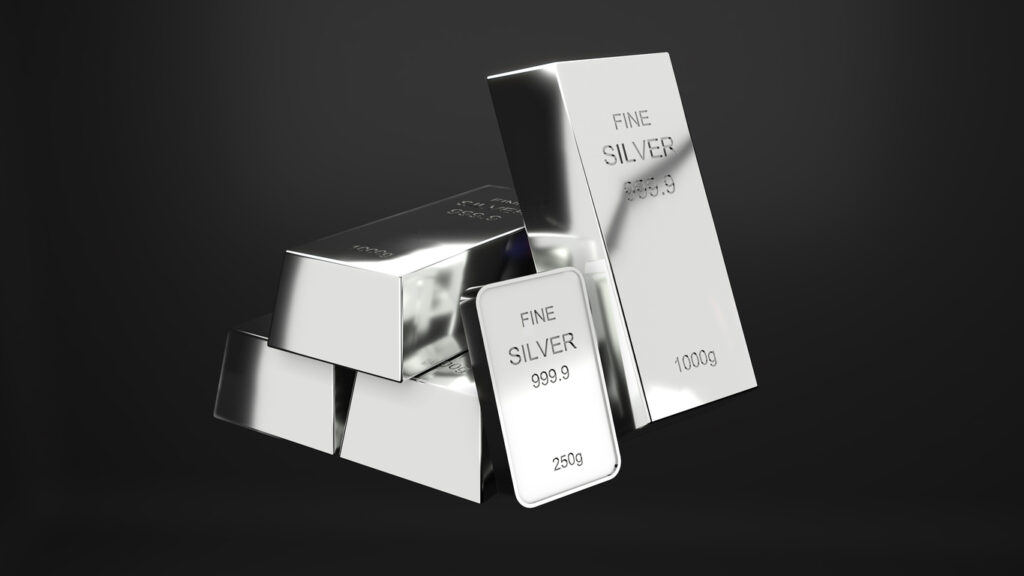
99.9%

Bars, rounds

Valued at full silver content

Coin Silver

90%

Pre-1965 U.S. coins

Historical premium possible

When selling silver coins and small bars, be aware that there may be additional costs such as melting, casting, stamping, VAT, and trading spreads. These expenses can impact the final payout you receive.

Pawn shops like R&J Jewelry and Loan calculate offers by adjusting for purity, so a sterling chain is valued differently than a .999 fine silver round of the same weight. The math is straightforward: sterling contains about 7.5% less pure silver per ounce than bullion.

Bring in any hallmarked items—look for stamps like “925,” “Sterling,” or coin purity markings—so staff can test, weigh, and provide an offer based on real silver content and today’s price. Some branded or vintage pieces can be worth more than melt value if they have designer, collectible, or antique appeal. Our team can advise when this applies and help you understand whether selling for melt or as a collectible makes more sense.
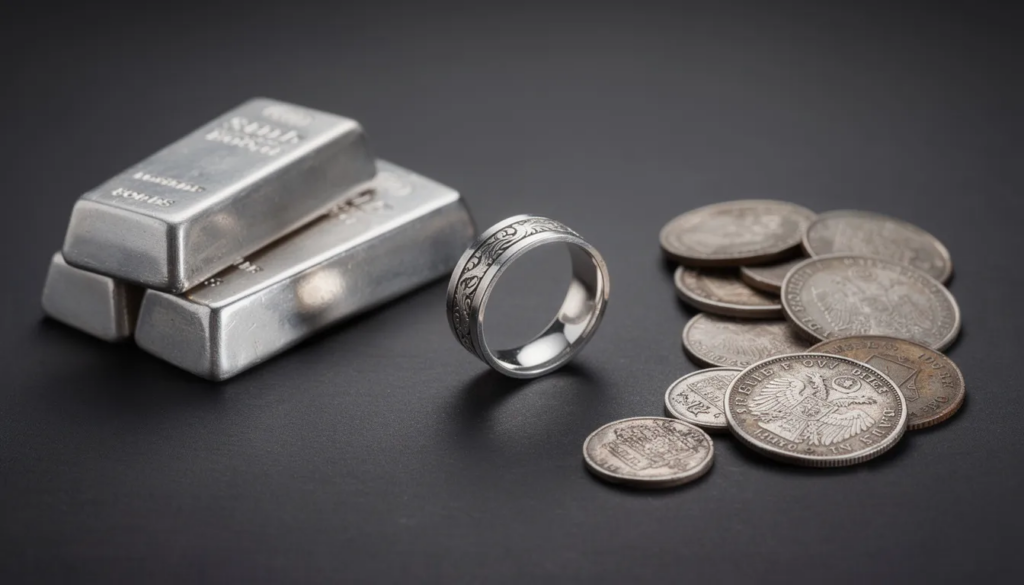
Silver Forecast

Practical Tips for Selling Silver in 2026 at R&J Jewelry and Loan (San Jose, CA)

Whether you’re a first-time seller or have sold silver before, understanding the process helps you get the best possible outcome.

Common Items San Jose Customers Bring In

  • Broken or unused jewelry (chains, bracelets, rings)

  • Sterling silver flatware sets

  • Silver coins (both numismatic and bullion)

  • Small silver bars and rounds

  • Scrap silver from estate cleanouts

Before You Visit

Check your items for markings before coming to the shop. Common hallmarks include:

  • 925 or Ster: Sterling silver (92.5% pure)

  • 999 or Fine Silver: Investment-grade bullion

  • 900 or Coin: Often found on older U.S. coins

  • 800: European silver standard

Separate clearly marked silver items from costume jewelry. Items marked “EPNS” (Electroplated Nickel Silver) or “Silverplate” contain minimal actual silver and won’t have significant melt value.

The In-Store Process

When you visit R&J Jewelry and Loan, here’s what to expect:

  1. Visual inspection: We examine markings and overall condition

  2. Testing: Magnet test, and if needed, acid or electronic testing to confirm purity

  3. Precise weighing: Items are weighed on calibrated scales

  4. Offer explanation: We explain how the offer ties to that day’s silver prices, weight, and purity

You can ask staff exactly how much of the offer is based on silver melt value versus any additional premium for collectible coins, branded jewelry, or rare pieces. We want you to understand the breakdown so you can make an informed decision.

Timing Your Sale: Should You Sell Silver Now or Wait?

There’s no perfect answer to this question, but practical guidelines can help you decide based on your situation.

If You Need Cash Now

Customers who need immediate money—paying bills, handling emergencies, or funding purchases—might prioritize their financial needs over trying to catch the very top of the market. Past performance shows that timing the exact peak is nearly impossible, even for professional investors.

If You’re Holding as an Investment

For those holding larger amounts of silver bullion or coins purely for investment purposes, consider whether you believe industrial demand and inflation will remain strong. Are you comfortable with potential price drops if the dollar strengthens or interest rates rise unexpectedly?

Our staff can discuss how current offers compare with what customers might have received in previous years. This context helps you understand just how much the silver investment landscape has shifted.

A Middle-Ground Approach

Some sellers choose to liquidate part of their silver holdings now—especially items they don’t wear or use—and keep the rest if they’re optimistic about longer-term 2026–2030 forecasts. This strategy lets you gain exposure to continued upside while converting unused items to cash.
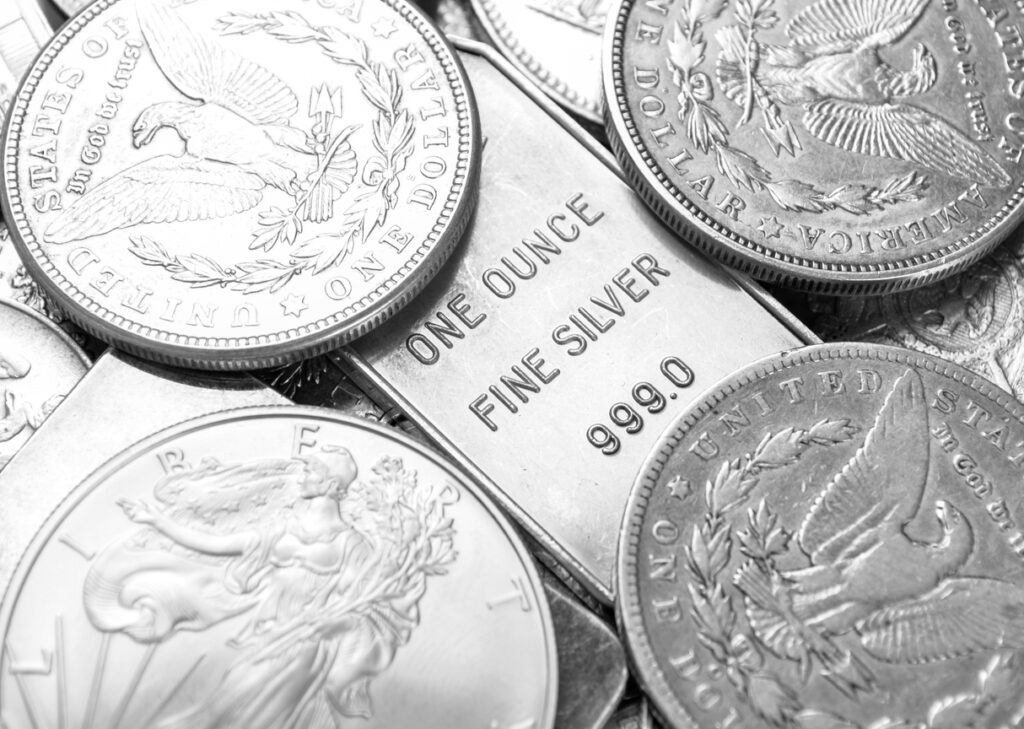
Silver Forecast

Buying Silver in 2026: Opportunities and Cautions for Local Shoppers

Some San Jose, CA customers visit R&J Jewelry and Loan not to sell but to buy silver jewelry, coins, or occasionally bullion to benefit from long-term trends. While some investors choose to diversify between silver and stocks, especially since stocks can sometimes decline when precious metals like silver perform well, others focus on silver as a hedge or alternative investment. In a higher-price, higher-volatility year like 2026, buyers should be especially careful about authenticity, purity markings, and the premium they pay over melt value.

A reputable pawn shop inspects silver items before putting them in the display case, helping buyers avoid counterfeits or mis-stamped pieces. This vetting process protects both parties and ensures you’re getting legitimate physical precious metals.

Clarify Your Goal Before Buying

Goal

Best Options

What to Consider

Beauty and wear

Jewelry pieces

Design, craftsmanship, personal style

Collecting

Vintage or rare coins

Condition, rarity, authentication

Silver weight

Bullion-style pieces

Premium over spot, liquidity

Our staff can point out which items are closer to melt value and which carry a larger design or collectible premium. Understanding this distinction helps you know exactly what you’re paying for in 2026’s market.

How Much Silver Should the Average Person Own?

There’s no one-size-fits-all rule for how much to invest in silver. Many personal finance commentators suggest keeping only a small percentage of total savings in commodities or precious metals—often cited as 5–10% of a portfolio for those seeking diversification.

Before committing significant funds to buy silver or buy gold, consider:

  • Your income stability and job security

  • Emergency savings (typically 3–6 months of expenses)

  • Outstanding debts and their interest rates

  • Your retirement account contributions

  • Your comfort with risk and market volatility

R&J Jewelry and Loan does not provide formal tax advice or investment recommendations, but we can explain the practical differences between owning jewelry, coins, and bullion from a pawn-shop perspective. Customers wanting tailored investment guidance—especially regarding exchange traded funds, mutual funds, futures contracts, or how silver fits into a broader portfolio—should consult a licensed financial professional.

Any investment involves risk. Future results cannot be predicted based on past performance, and any liability arising from making investment decisions based on general information rests with the individual investor.
Silver Forecast

How R&J Jewelry and Loan Helps San Jose Customers Navigate 2026’s Silver Market

For San Jose residents, R&J Jewelry and Loan serves as a neighborhood resource for understanding and acting on silver market trends. Silver has been used as a store of wealth for over 5,000 years, dating back to ancient times, which highlights its enduring value and importance. Whether you’re evaluating inherited silver, trying to distinguish sterling from plated items, or simply wanting to convert unused pieces into cash, we’re here to help.

We monitor current silver prices daily, so our offers and inventory reflect real-time 2026 market conditions rather than outdated price lists. When you bring in items, you’re getting valuations based on what silver is actually trading for that day—not last month or last year.

Our staff can walk first-time sellers through each step of the process, answer questions about weight and purity, and provide quotes with no obligation to sell. We understand that for many people, this is their first time selling precious metals, and we take the time to make sure you feel comfortable with the process.

If you’re in or near San Jose, CA, we encourage you to bring in your silver pieces or schedule a visit. This is especially valuable if you have older items whose value you haven’t checked in several years—you might be pleasantly surprised by what the 2026 market offers.

Visit R&J Jewelry and Loan to learn more about our services or stop by for a no-obligation evaluation of your silver items.

FAQ: Silver Trends in 2026 and Local Pawn Shop Questions

Q: Is 2026 a good year to finally sell my old silver jewelry and flatware?

A: With silver prices significantly higher than the mid-2010s and early 2020, many San Jose, CA residents find 2026 an attractive time to sell pieces they don’t use. The “right” time depends on personal needs and comfort with future price uncertainty—no one knows exactly where prices will go next. R&J can provide a no-pressure quote based on current market levels so you can see exactly what your items are worth today.

Q: Do pawn shops in San Jose, CA pay full silver spot price for my items?

A: Pawn shops typically pay a percentage of the underlying silver value to cover refining costs, overhead, and market risk. At R&J Jewelry and Loan, we show you how the offer relates to weight, purity, and that day’s spot price so you understand the breakdown. This transparency helps you evaluate whether our offer works for your situation.

Q: How can I tell if my items are real silver before I bring them in?

A: Look for hallmark stamps such as “925,” “Sterling,” “800,” or purity marks on coins. Many plated items are marked “EPNS” or “Silverplate”—these contain minimal actual silver. If you’re unsure, bring uncertain pieces to our shop. We’ll test them in-store using professional methods and give you a definitive answer at no charge.

Q: Are my collectible silver coins worth more than their melt value in 2026?

A: Some coins carry additional numismatic (collector) value beyond their silver content. This is especially true for older U.S. silver coins, limited-mintage bullion issues, or coins in excellent condition. R&J Jewelry and Loan can assess both the silver content and any collectible premium when making an offer, helping you understand whether selling for metal value or to a collector makes more sense.

Q: Can I use my silver as collateral for a loan instead of selling it?

A: Yes. Many pawn shops, including R&J Jewelry and Loan in San Jose, CA, offer short-term loans using silver jewelry, coins, or bullion as collateral. You receive cash based on a percentage of the item’s value, and you can reclaim your items by repaying the loan according to agreed terms. This option works well for those who need temporary liquidity but want to retain ownership of their physical assets.

Q: How do political developments and geopolitical tensions affect silver prices?

A: Silver often acts as a safe haven asset during periods of uncertainty. When stock markets experience turbulence or political developments create economic concerns, investors sometimes move money into commodities like gold and silver. This increased demand can push prices higher in the short term, though the relationship isn’t always predictable. The two metals—gold and silver—often move together during risk-off periods, though silver tends to be more volatile due to its smaller market and dual industrial-monetary role.
The Art of Giving Silver: Meaningful Gift Ideas for Any Occasion

estate silver

Giving silver as a gift? Find out why it’s a timeless and meaningful choice. The allure of silver lies in its inherent appeal and charm, making it a captivating and cherished gift. This article covers its historical significance, enduring value, and ideal occasions for gifting silver.

Key Takeaways

  • Gifting silver is steeped in historical significance, symbolizing wealth, purity, and good fortune across various cultures.

  • Silver gifts, including jewelry and bullion, stand out due to their features such as enduring value, universal appeal, and versatility, along with personalization options—making them perfect for any occasion.

  • The rising demand for silver, driven by both industrial applications and investment potential, highlights its importance as a meaningful gift and smart investment.

The Historical Significance of Gifting Silver

silver trends in 2026

The tradition of gifting silver is steeped in history, crossing cultures and eras with its symbolism of wealth, purity, and good fortune. From ancient civilizations that revered silver as more valuable than gold to European traditions where silverware is a prized family heirloom, the significance of gifting silver has evolved but remained deeply rooted.

In many cultures, a silver gift symbolizes appreciation, elegance, and deep sentimental value, often associated with the moon, adding a mystical touch to its historical connections.

Historically, silver items were often given at the birth of a child or during christenings as symbols of good health and family heritage.

Ancient Civilizations

In ancient Egypt, silver was sometimes regarded as more valuable than gold, used to honor deities and create sacred objects. Across various ancient civilizations, silver symbolized wealth and social status, often used in ceremonial contexts.

This historical importance contributes to its lasting value as a prestigious present gift in today’s world.

European Traditions

In Europe, silver has long been a symbol of wealth and health, particularly associated with significant life events like weddings and christenings. Silver items such as spoons and cups are commonly gifted, symbolizing wealth and health.

These silverware pieces are often considered prized family heirlooms, passed down through generations, adding to their rare sentimental object value.

Asian Cultures

In Asian cultures, silver is often gifted during festivals and weddings to symbolize good fortune and blessings. In Indian culture, silver gifts are common during festivals and weddings, representing prosperity and protection. Similarly, in Chinese culture, silver symbolizes protection and is used to ward off negative influences.

These traditions highlight the value of silver gifts in representing prosperity and protection.

Why Silver Makes the Perfect Gift

estate jewelry

Silver gifts hold a special place in the realm of gifting due to their enduring value, universal appeal, and personalization options. Silver’s intrinsic value and timeless beauty make it a treasured gift choice. The tangible nature of silver gifts adds a layer of pragmatism and meaningfulness, making them suitable for anyone, and silver gifts can be tailored to suit the unique interests and personality of each person.

Whether it’s silver jewelry, bullion bars, or coins, these gifts offer a perfect blend of elegance and financial worth, making them a great way to invest your money. A silver gift can be enjoyed by the recipient for the rest of their life and even passed down to future generations.

Some recipients may prefer certain types of silver gifts, such as coins, jewelry, or bullion, depending on their tastes.

Enduring Value

One of the most compelling reasons to gift silver is its enduring value. Silver retains its worth over time, offering both financial security and sentimental value. This lasting investment makes silver gifts meaningful tokens of appreciation and love. Historically, silver was considered more valuable than gold in ancient Egypt, highlighting its longstanding significance.

Gifting precious metal jewelry, including silver, carries emotional significance and reflects personal taste.

Universal Appeal

Silver’s universal appeal lies in its elegance and versatility. It is cherished worldwide for its ability to suit both formal and casual settings, attracting people of varied tastes. The versatility of silver allows it to be crafted into a variety of items—from jewelry to decorative pieces—making it an ideal gift for any occasion.

Its timeless nature ensures it resonates with individuals across different age groups and cultural backgrounds.

Personalization Options

Personalization is a key aspect of gifting silver. Custom engravings on silver coins or jewelry can enhance their personal significance, making them more meaningful gifts. Personalization allows the giver to tailor the gift to the recipient’s unique personality and preferences.

Adding personalized touches not only makes the gift special but also strengthens the emotional connection between the giver and the recipient. Additionally, gifting collectible silver coins can inspire the recipient to develop an interest in numismatics or coin collecting.

Silver Gifts as a Symbol of Love

Silver gifts have long been cherished as a symbol of love and deep appreciation. The act of gifting silver is a meaningful gesture that reflects the strength and value of the bond between two people. Whether it’s a romantic partner, a close friend, or a beloved family member, silver gifts are a perfect way to express heartfelt emotions on any special occasion.

For example, a beautifully crafted silver necklace or a pair of elegant silver earrings can be the perfect gift for someone who appreciates timeless style. Silver bullion bars or rare coins, on the other hand, offer a unique and valuable present for those who admire precious metals and their lasting worth. These gifts not only carry intrinsic value but also serve as treasured keepsakes that can be passed down through generations.

The true value of silver gifts lies in their ability to convey appreciation and affection in a tangible form. Whether you’re celebrating an anniversary, a birthday, or simply want to show someone you care, gifting silver is a meaningful and memorable way to make any occasion truly special.

Ideal Occasions for Gifting Silver

estate jewelry

Silver gifts are perfect for a variety of special occasions, symbolizing prosperity, purity, and success. Whether it’s a wedding, a birthday, or a cultural celebration, silver gifts add a touch of elegance and thoughtfulness to any event.

Instead of giving paper currency, consider gifting silver bullion as a more valuable and enduring alternative for special occasions.

Weddings and Anniversaries

Silver is a timeless gift for weddings and anniversaries, representing enduring love and commitment. Gifting silver coins at weddings is seen as a blessing for a prosperous married life, often personalized with the couple’s initials. Recipients often feel appreciated when receiving silver gifts, reinforcing the bond during these special celebrations.

Silver is considered an ideal gift for various occasions, including anniversaries and weddings, making it a versatile choice for a special occasion.

Birthdays and Milestones

Gifting silver is a wonderful way to celebrate birthdays and milestones. Among Native American tribes, silver is gifted to honor loved ones or commemorate important life events. Recommended silver gifts for birthdays include jewelry, bullion bars, and coins.

Personalized silver gifts, like customized coins, can honor achievements such as graduation, serving as lasting keepsakes.

Religious and Cultural Celebrations

In many cultures, silver is an integral part of religious and cultural celebrations. In Chinese culture, silver gifts are often presented during weddings and births, symbolizing good fortune. In the Middle East, silver is commonly gifted during weddings and important religious celebrations like Eid, reflecting shared blessings.

In India, silver is gifted during significant life events and religious festivals, representing wealth and blessings. During religious ceremonies, silver is given to invoke blessings, symbolizing purity and divine favor.

Types of Silver Gifts

Silver gifts come in various forms, each offering unique appeal and value. From jewelry to bullion bars and decorative items, there’s a silver gift for every taste and occasion.

When comparing gifting gold and silver jewelry, both offer a sense of luxury, but silver is often more affordable than pure gold, making it an attractive option for many.

Silver Jewelry

Silver jewelry can range from traditional designs to more contemporary styles, making it suitable for diverse preferences. The purity and quality of precious metal jewelry can be indicated by a hallmark or a certificate of authenticity.

Silver Bullion Bars and Coins

Silver bullion bars and coins are symbols of fortune and prosperity when given as gifts. Gifting silver coins provides a tangible asset that is likely to appreciate in value over time. Collectible silver coins come with a rich history and storytelling element that enhances their appeal.

Silver bullion is characterized as both luxurious and practical. An example of a globally recognized silver gift is the Silver Krugerrand Coin.

In addition to physical silver, some people choose to invest in mining stock or ETFs that track silver prices as alternative ways to gain exposure to precious metals.

Decorative Silver Items

Decorative silver items make for meaningful and helpful artistic gifts, appealing to those who are interested in elegance, beauty, and hobby. Ornate silverware and keepsakes are popular choices for gifts, often valued for their artistic craftsmanship.

The intricate designs and quality craftsmanship of these silver gifts, once purchased, enhance their sentimental joy value, making them a meaningful gift and cherished possessions.

Business and Corporate Gifting

In the world of business, the right gift can make a lasting impression and help foster strong professional relationships. Silver gifts are an excellent choice for corporate gifting, offering a blend of elegance, value, and practicality that appeals to clients, partners, and employees alike.

A silver gift, such as a sleek silver pen or a sophisticated paperweight, can serve as a thoughtful token of appreciation for a valued client or colleague. For those looking to make a more substantial gesture, silver bullion bars or coins are a valuable and impressive option, symbolizing stability and long-term value. These precious metals not only reflect the giver’s appreciation but also act as a store of value, making them a smart choice for business gifting.

When selecting a silver gift for a corporate occasion, it’s important to consider the recipient’s interests and the company’s brand values. A well-chosen silver gift can reinforce business relationships, demonstrate gratitude, and leave a positive, lasting impression on clients and employees.

Practical Considerations When Gifting Silver

When gifting silver, several practical considerations come into play, such as ensuring authenticity, proper storage, and balancing your budget.

It’s important to follow a clear process when purchasing silver gifts: start by comparing prices, verify the authenticity of the silver, and choose reputable dealers to ensure a secure and satisfactory transaction.

These factors ensure that your silver gift remains as valuable and cherished as intended.

Authenticity and Quality

It’s crucial to acquire silver from licensed and reputable dealers to ensure authenticity and quality. Purchase silver gifts from reputable and licensed retailers. Keep in mind that silver jewelry may have lower purity compared to coins or bullion.

Take into account storage, insurance, authenticity, and choosing reputable dealers when buying physical gold precious metals.

Storage and Care

Proper care and storage of silver gifts are essential to maintain their beauty and value over time. Using a secure home safe or a safe deposit box can effectively protect silver gifts from theft or damage.

Safe storage methods not only prevent physical damage but also ensure the lasting value of inherited silver gifts.

Budget and Affordability

When gifting silver, consider the total costs involved, including:

  • The cost to deliver silver gifts, as reliable delivery services are important for ensuring your gift arrives safely and on time

  • Storage

  • Insurance

These can significantly add up. It’s essential to have a plan for covering the costs associated with giving a silver gift, including delivery and insurance expenses.

R & J Jewelry & Loan offers high-quality silver products typically at a third to three-quarters of the price found at retail stores, making it a budget-friendly option.

Christmas gifts

Gift-Giving Etiquette

When it comes to gifting precious metals like silver or gold, following proper gift-giving etiquette ensures your gesture is both meaningful and well-received. Start by considering the recipient’s interests and preferences. For example, if the recipient is interested in investing or collecting, a silver bullion bar or a unique coin can be the perfect way to show your appreciation.

It’s also important to match the gift to the occasion. Silver gifts are ideal for marking special occasions such as birthdays, anniversaries, or professional milestones. Tailoring your choice to the significance of the event and your relationship with the recipient adds a thoughtful touch.

Finally, always include a personal note or message with your silver gift. Expressing your appreciation and care in writing enhances the emotional impact and makes the present even more memorable. By keeping these etiquette tips in mind, you can ensure your silver gift is treasured and valued by the recipient, no matter the occasion.

The Growing Demand for Silver

estate jewelry

The demand for silver is rising significantly, influenced by various industrial applications and increasing investor interest. This growing demand underscores the value of silver as both a gift and an investment.

To make informed decisions, stay updated with the latest news on silver market trends and investment opportunities.

Industrial Uses

Industrial applications, particularly in electronics and solar energy, are driving significant growth in silver demand, reflecting advancements in the green economy. In 2023, the solar energy sector accounted for about 35% of silver’s industrial demand, showing a significant rise in use for solar panel manufacturing.

The electrical and electronics sector saw silver demand grow by 20 percent in 2023, highlighting silver’s vital role in photovoltaic technology.

Investment Potential

Recent market trends show that silver prices have surged nearly 40% in 2025, indicating strong investment potential. As of September 2025, silver prices have reached 14-year highs above $42 per ounce, underscoring its reputation as a smart investment choice.

Investors are increasingly viewing silver as an attractive investment due to its projected growth and current market performance.

Summary

Silver gifts combine beauty, value, and sentiment, making them perfect for any special occasion. From historical significance to diverse gifting options, silver remains a timeless choice for thoughtful presents. Whether you’re marking a milestone or simply showing appreciation, silver gifts are a meaningful way to convey your sentiments.

Additionally, silver gifts can be conveniently purchased online from reputable websites, making the process easy and accessible.

Frequently Asked Questions

Is it good to gift silver coins to someone?

Gifting silver coins is a wonderful idea, as they hold intrinsic value and can appreciate over time, making them a lasting treasure. It’s a thoughtful gift that signifies both beauty and significance.

What makes silver a valuable gift?

Silver is a valuable gift because it retains its worth both financially and sentimentally, while also being elegant and versatile for any occasion. It’s a timeless choice that adds a special touch to your gift-giving.

What are some popular silver gifts for weddings?

Personalized silver coins, elegant jewelry, and beautiful silverware make for thoughtful wedding gifts that symbolize lasting love and prosperity. These timeless gifts are sure to be cherished for years to come!

How can I ensure the authenticity of a silver gift?

To ensure your silver gift is genuine, buy from trusted dealers and check for hallmarks or authenticity certificates. This way, you can give a beautiful and authentic gift with confidence!

What are the best ways to store silver gifts?

To keep your silver gifts safe and beautiful, store them in a secure home safe or a safe deposit box. This way, you protect their value while ensuring they remain in excellent condition!

Silver Prices: Current Market Trends, Analysis, and Investment Outlook for 2025

gold trends

Key Takeaways

  • Silver prices have surged nearly 40% in 2025, reaching 14-year highs above $42 per ounce amid strong industrial demand and geopolitical uncertainty

  • Industrial applications, particularly in solar panels, electric vehicles, and electronics, are driving unprecedented demand for silver as a critical commodity

  • Market experts predict silver could potentially reach $100-$130 per ounce in the long term due to supply deficits and undervaluation relative to gold

  • Mexico, Peru, and China dominate global silver production, while supply constraints and recycling contribute to ongoing market tightness

  • Investors can access silver through physical bullion, ETFs, mining stocks, and futures contracts, each offering different risk-return profiles

The silver market has captured investor attention in 2025 with a remarkable performance that has outpaced most commodities and precious metals. As both a precious metal and critical industrial commodity, silver’s unique dual nature creates compelling investment dynamics that differentiate it from gold and other traditional safe-haven assets.

This comprehensive analysis examines current silver prices, market fundamentals, supply dynamics, and investment strategies to help investors understand this complex and rapidly evolving market. With ongoing geopolitical tensions, persistent inflation concerns, and unprecedented industrial demand from renewable energy sectors, silver presents both significant opportunities and notable risks for today’s investors.

Silver Market

Current Silver Prices and Recent Performance

The silver spot price has experienced exceptional volatility and growth throughout 2025, with current market price levels trading consistently above $42-43 per troy ounce as of late 2025. The price of silver has shown significant movement in both current market values and historical trends, reflecting its importance in market analysis and investment decisions. This represents year-over-year gains exceeding 38%, with some months delivering approximately 12% increases that have pushed silver to multi-year highs not seen since the 2011-2012 precious metals rally.

Retail silver prices for physical silver bullion have reached approximately $1,414 per kilogram, reflecting both the underlying spot price appreciation and the way silver products are priced based on the spot price plus increased premiums dealers charge for physical silver products. The current price represents a dramatic recovery from the March 2020 lows near $12 per ounce, when pandemic-related market disruptions temporarily depressed precious metals pricing.

Daily price fluctuations continue to reflect real-time market conditions and trading activity across global exchanges, with the COMEX futures market and London Bullion Market Association setting primary price discovery mechanisms. The silver traded volumes have increased substantially as both institutional and private investors seek exposure to this precious metal.

Trading patterns show silver reached an 11-year high of $29.26 in April 2024, pulling back during summer months, then rallying sharply to current levels above $41 per ounce. This price action demonstrates silver’s characteristic higher volatility compared to gold, with more pronounced swings reflecting its smaller market size.

Silver Forecast

Factors Driving Silver Price Movements

Multiple interconnected factors contribute to silver’s exceptional 2025 performance, creating a complex web of supply and demand dynamics that professional investors and market analysts closely monitor. These dynamics have the potential to drive a rise in silver prices as market conditions evolve.

US dollar strength and Federal Reserve interest rate policy changes significantly impact precious metals demand, as lower rates typically reduce the opportunity cost of holding non-yielding assets like physical silver. Recent federal reserve rate cut expectations have provided tailwinds for precious metals, while ongoing concerns about currency devaluation drive investment demand for tangible assets.

Geopolitical tensions and trade wars have created substantial safe-haven investment flows into precious metals, with silver benefiting alongside gold as investors seek portfolio diversification outside traditional stock markets. The ongoing geopolitical issues and uncertainty surrounding global trade relationships continue supporting demand for precious metals industry products.

Inflation concerns and currency devaluation hedge strategies have become increasingly prominent as central banks worldwide grapple with monetary policy challenges. Silver’s historical role as an inflation hedge attracts investors seeking to preserve purchasing power, though its industrial applications provide additional price support mechanisms beyond pure monetary demand.

Supply and demand imbalances represent perhaps the most fundamental driver, with ongoing market deficits where consumption exceeds annual production. The silver institute and industry research organizations consistently report structural deficits that suggest tightening physical markets over the medium term. A significant portion of silver demand comes from the electronics and renewable energy sectors, further shaping market trends and influencing price movements.

Industrial Demand Drivers

The industrial side of silver demand has experienced unprecedented growth, fundamentally altering the market’s long-term supply and demand dynamics. Industrial demand now represents approximately 50% of total silver consumption, making price movements increasingly sensitive to economic activity and technological developments.

The solar industry accounts for roughly 16% of global silver demand, with 14% annual growth over the past decade as renewable energy adoption accelerates worldwide. Each gigawatt of new solar capacity requires approximately 20 tons of silver, translating to roughly 643,000 troy ounces per installation. China’s massive solar panel manufacturing expansion and global renewable energy commitments suggest this demand source will continue growing substantially.

Electric vehicles and their supporting charging infrastructure require significant silver content for battery technology, electrical connections, and power management systems. As electric vehicle adoption accelerates globally, this represents a new and growing source of industrial demand that didn’t exist at meaningful scale just a decade ago.

Electronics manufacturing continues utilizing silver’s superior conductivity properties in electronic devices, particularly for high-performance applications where silver’s unique properties cannot be easily substituted. The expansion of 5G technology, semiconductor demand, and increasingly sophisticated consumer electronics drives consistent baseline demand.

Medical applications leverage silver’s antibacterial properties for water purification systems and healthcare products, representing a smaller but steady demand component. This includes specialized applications in hospital equipment, water treatment facilities, and consumer health products where silver’s antimicrobial properties provide unique value.

The key role silver plays across these industrial sectors creates price support during economic expansions, but also exposes silver prices to cyclical downturns when industrial activity slows. This dual nature differentiates silver from gold, which primarily serves investment and jewelry demand.

Global Silver Production and Supply

Understanding the supply side dynamics provides crucial context for evaluating silver’s price trajectory and investment potential. Global silver production faces several structural challenges that contribute to ongoing market tightness.

Mexico leads world production with approximately 5,000 tons annually, representing roughly 20% of global output. Mexican mining companies have developed extensive silver-focused operations, though production growth has plateaued in recent years due to resource depletion and regulatory challenges. Peru, China, Russia, Bolivia, and Australia follow Mexico as major producing nations, each contributing between 1,000-3,000 tons annually.

A critical factor affecting supply is that silver mining often occurs as a byproduct of lead, zinc, and copper extraction rather than primary silver operations. This means silver supply is partially dependent on demand and pricing for base metals, creating complex supply elasticity that doesn’t always respond directly to silver price signals.

Recycling contributes approximately 20% of annual global silver supply through recovery from electronic devices, photographic film, jewelry, and industrial applications. However, recycling rates vary significantly based on silver prices and the availability of scrap material, making this supply source somewhat unpredictable.

Mining companies face increasing production constraints including resource depletion of high-grade deposits, rising extraction costs, environmental regulations, and longer project development timelines. New primary silver mine discoveries have become increasingly rare, with most new production coming from expansion of existing operations or byproduct extraction.

The supply side outlook suggests production growth will likely lag demand growth over the medium term, particularly if industrial demand continues expanding at current rates. This fundamental supply-demand imbalance represents a key argument for higher silver prices over time.

Trusted financial partners

Expert Price Forecasts and Market Predictions

Market analysts and industry experts have developed increasingly bullish long-term silver price forecasts based on supply deficit projections and industrial demand growth expectations. A silver price forecast is used by experts to predict future price movements, taking into account factors such as supply, demand, and economic uncertainties.

First Majestic Silver Corp CEO Keith Neumeyer has maintained a $100-$130 per ounce long-term target since 2017, citing structural supply deficits and undervaluation relative to historical gold-silver ratios. His analysis suggests current pricing significantly undervalues silver’s industrial importance and monetary properties.

Several prominent analysts predict silver could reach $100-$150 within 3-5 years based on supply deficits and accelerating industrial demand. These forecasts typically assume continued renewable energy growth, electric vehicle adoption, and limited new mine development to address growing consumption.

Quarter-end futures expectations currently center around $43 per ounce, with 12-month targets ranging from $46-$52 depending on economic conditions and industrial demand growth. Options contracts reflect significant interest in higher strike prices, suggesting market participants anticipate potential upside breakouts.

Conservative estimates from mainstream financial institutions point toward new all-time highs beyond the previous $50 peaks reached during the 2011 precious metals rally. These projections typically factor in inflation-adjusted price appreciation and industrial demand growth without assuming extreme monetary conditions.

Technical analysis suggests silver could experience significant price acceleration if it breaks decisively above resistance levels near $45-$48 per ounce. Historical data shows silver tends to experience explosive price moves during precious metals bull markets, often outperforming gold by substantial margins.

Silver vs Gold Prices Dynamics

The current gold-to-silver price ratio near 80-90:1 compares to a production ratio of approximately 7.5:1, suggesting silver remains undervalued relative to its natural abundance and industrial utility. This ratio analysis forms a cornerstone of bullish silver arguments.

Historical analysis demonstrates silver outperforming gold during precious metals bull markets, with the ratio often falling to 40-50:1 during peak enthusiasm periods. If this pattern repeats, current silver prices could experience substantial appreciation even without gold price increases.

Silver’s higher volatility creates both opportunities and risks for investors, with daily price swings often exceeding 3-5% compared to gold’s typical 1-2% movements. This volatility reflects silver’s smaller market size and dual investment-industrial nature.

The dual nature as both precious metal and industrial commodity provides unique price support mechanisms that gold lacks. While gold serves primarily as a store of value and inflation hedge, silver benefits from irreplaceable industrial applications that create baseline demand.

Currency fluctuations, particularly us dollar movements, affect both metals but impact silver more dramatically due to its industrial applications and smaller market capitalization. A weaker us dollar typically benefits both metals, but silver often experiences amplified moves in both directions.

Silver Investment Options and Strategies

Silver investing encompasses a range of methods, from owning physical silver to participating in financial instruments like ETFs and mining stocks, each with unique benefits and risks.

Investors seeking silver exposure can choose from multiple investment vehicles, each offering different risk-return profiles, liquidity characteristics, and practical considerations.

Physical silver bullion, including coins, rounds, and bars, provides direct ownership and portfolio insurance against financial system risks. Popular choices include American Silver Eagles, Canadian Maple Leafs, and generic silver bars in various sizes from one ounce to 1,000-ounce bar form. To buy silver, investors should verify authenticity and purchase from reputable dealers to ensure quality and avoid counterfeits. Physical ownership requires consideration of storage, insurance, and verification procedures.

Silver exchange traded funds offer market exposure without storage requirements or authentication concerns. Major ETFs track silver spot price movements through physical silver holdings or futures contracts, providing liquidity and transparency for investors preferring exchange-traded products.

Mining company stocks provide leveraged exposure to silver price movements, as mining companies typically experience amplified earnings changes relative to underlying commodity prices. Buying shares of silver mining companies or silver-focused ETFs is another way to gain exposure to silver prices as part of a diversified silver investing strategy. However, mining stocks also carry company-specific risks including operational challenges, management quality, and project execution risks.

Silver futures and options contracts enable sophisticated traders to implement hedging strategies, leverage positions, or speculate on price direction. These derivative instruments require significant market knowledge and risk management capabilities but offer precise exposure control and capital efficiency.

Certified storage solutions address the practical challenges of large physical silver investments, providing professional vault services, insurance coverage, and audit verification. These services typically charge annual fees but eliminate many risks associated with personal storage.

Buying and Selling Physical Silver

Purchasing physical silver requires careful attention to dealer reputation, product authenticity, and pricing transparency. R&J Jewelry and Loan in San Jose, CA, along with other established precious metals dealers, typically offers verification services and guarantees product authenticity through recognized certification processes.

Premium pricing over spot rates varies significantly based on product type, market conditions, and purchase quantities. Silver coins generally command higher premiums than bars due to fabrication costs and collector appeal, while larger bars offer lower per-ounce premiums for substantial purchases.

Documentation requirements for selling silver back to dealers include proof of purchase, identity verification, and compliance with reporting regulations for large transactions. Understanding these requirements before purchase helps ensure smooth exit strategies when needed.

Storage considerations encompass security, insurance, accessibility, and environmental protection. Home storage requires safes or security deposit boxes, while commercial storage services offer professional facilities with comprehensive insurance coverage.

Liquidity advantages of recognized silver products become apparent during sale transactions, as well-known coins and bars command tighter bid-ask spreads and faster transaction completion. Generic or unusual products may face liquidity challenges during sale, making trusted dealers like R&J Jewelry and Loan in San Jose, CA a reliable option for both buying and selling.

Market Risks and Considerations

Silver investment involves several risk factors that potential investors should carefully evaluate before committing capital to this volatile precious metal market.

Price volatility significantly exceeds that of gold due to silver’s smaller market size, industrial demand sensitivity, and speculative trading activity. Daily price swings of 5-10% occur regularly, requiring appropriate position sizing and risk tolerance assessment.

Economic slowdown risks could substantially affect industrial demand for silver, as renewable energy projects, electronics manufacturing, and automotive production typically decline during recessions. This industrial sensitivity distinguishes silver from purely monetary precious metals.

Interest rate sensitivity impacts precious metals investment flows, as rising rates increase the opportunity cost of holding non-yielding assets. Federal reserve policy changes can trigger significant capital flows into or out of precious metals markets.

Currency fluctuations, particularly involving the us dollar and japanese yen, affect international silver trade and pricing dynamics. A stronger dollar typically pressures commodity prices, while currency instability often benefits precious metals demand.

Regulatory changes could potentially impact silver mining operations, trading mechanisms, or tax treatment of precious metals investments. Environmental regulations, mining permitting, and financial market rules all influence silver market dynamics.

Market manipulation concerns arise periodically regarding large futures positions, concentrated ownership, or coordinated trading activities. While regulatory oversight exists, the relatively small silver market size may be susceptible to influence by large players.

Frequently Asked Questions

What is the difference between silver spot price and retail price?

The silver spot price represents the immediate delivery value for large institutional transactions typically involving 1,000-ounce contracts or larger. Retail prices include dealer premiums, fabrication costs, shipping, and profit margins that individual investors pay when purchasing physical silver products. These premiums typically range from 3-8% above spot for bars and 10-20% for popular coins, varying based on market conditions and product availability.

How much silver should I include in my investment portfolio?

Financial advisors typically recommend a 5-10% precious metals allocation within a diversified portfolio, with silver comprising 10-25% of that allocation depending on individual risk tolerance and investment objectives. This translates to roughly 1-3% of total portfolio value in silver. Factors to consider include your belief in industrial demand growth, inflation expectations, portfolio diversification goals, and comfort with volatility.

Why is silver more volatile than gold?

Silver’s higher volatility stems from several structural factors including its much smaller market size (roughly 1/10th of gold’s market capitalization), dual industrial-investment demand that creates multiple price drivers, higher leverage to economic cycles through industrial applications, and greater sensitivity to interest rate changes. Additionally, silver’s lower absolute price per ounce means percentage moves appear larger, and speculative trading activity tends to be more pronounced relative to total market size.

Can silver prices really reach $100 per ounce?

While ambitious, several market factors support the possibility of triple-digit silver prices over the next decade. These include persistent supply deficits where consumption exceeds production, accelerating industrial demand from renewable energy and electric vehicle sectors, historical undervaluation relative to gold based on production ratios, and potential monetary policy responses to economic instability. However, such price levels would require sustained demand growth and limited supply responses, making timing and probability difficult to predict with certainty.

Is silver a good hedge against inflation?

Silver has historically performed well during inflationary periods due to its tangible asset nature, industrial demand that often correlates with economic activity, and investor preference for precious metals during currency devaluation concerns. However, silver’s industrial applications can create complex relationships with inflation – moderate inflation may support prices through industrial demand, while severe inflation could reduce industrial activity. Short-term performance can vary significantly, making silver more of a long-term inflation hedge rather than a reliable short-term correlation with consumer price indices.