What Is My Gold Worth in San Jose, CA Today?

Gold Spot

Gold has always been more than just a shiny metal. For centuries, it has been a symbol of wealth, a safeguard during economic uncertainty, and a tangible investment that people can rely on when paper currency fluctuates. Whether you inherited a family heirloom, found an old gold chain in the back of your jewelry box, or you’re thinking about selling bullion coins, you’re probably asking yourself: “What is my gold worth in San Jose, CA today?”

fast cash

At R&J Jewelry and Loan, this is one of the most common questions we hear—and for good reason. Gold prices are constantly changing, influenced by world markets, supply and demand, and economic trends. If you want to sell, pawn, or even just evaluate your gold items, knowing their true worth is the first step toward making an informed decision.

With gemologists on site and decades of experience in gold, diamonds, watches, and other precious metals, our San Jose team provides accurate testing, transparent appraisals, and fair offers. This guide will help you understand the process of valuing gold today, what factors influence its worth, and why R&J Jewelry and Loan is the trusted choice for gold sellers in Silicon Valley.

Understanding the Value of Gold

Before diving into how much your gold is worth today, it helps to understand the basics of what determines its value.

1. The Current Market Price of Gold

Gold prices are set by the global market and usually quoted per troy ounce. These prices change daily, sometimes hourly, depending on:

  • Global supply and demand

  • Inflation and currency fluctuations

  • Economic and political uncertainty

  • Central bank policies

For example, when inflation rises or the stock market feels uncertain, many investors turn to gold as a “safe haven.” That demand pushes prices upward. Conversely, when markets stabilize, prices may dip.

As of today, you can quickly check the spot price of gold online, but keep in mind: the spot price refers to pure 24-karat gold, not jewelry, coins, or watches that might contain alloys or design value.

2. Karat and Purity of Your Gold

Gold jewelry isn’t always 100% pure. It’s often mixed with other metals like copper, silver, or nickel to add durability. The purity is measured in karats (K):

  • 24K = 99.9% pure gold

  • 22K = 91.6% pure

  • 18K = 75% pure

  • 14K = 58.5% pure

  • 10K = 41.7% pure

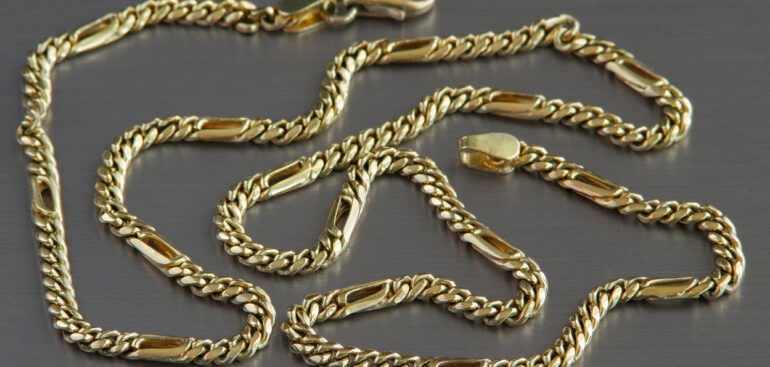
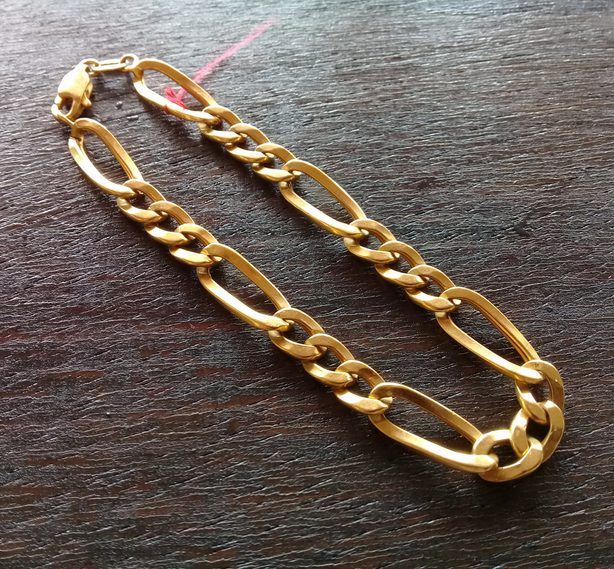
The higher the karat, the more valuable your gold will be. That’s why testing is crucial—what looks like a heavy gold chain might actually be gold-plated or 10K, which significantly affects its value.

At R&J Jewelry and Loan, our gemologists use state-of-the-art testing to confirm the purity of every item. You’ll know exactly what you have before any offer is made.

3. Weight of the Gold

Gold is valued by weight, typically in grams for jewelry and in troy ounces for bullion. A heavier piece of higher-karat gold will naturally be worth more.

4. Type of Item

Not all gold items are valued the same way. A gold bar or coin is usually priced based on weight and purity alone. But jewelry, watches, and designer pieces may have added value because of their craftsmanship, brand, or embedded diamonds and gemstones.

For example:

  • A plain 14K gold wedding band will be worth its melt value.

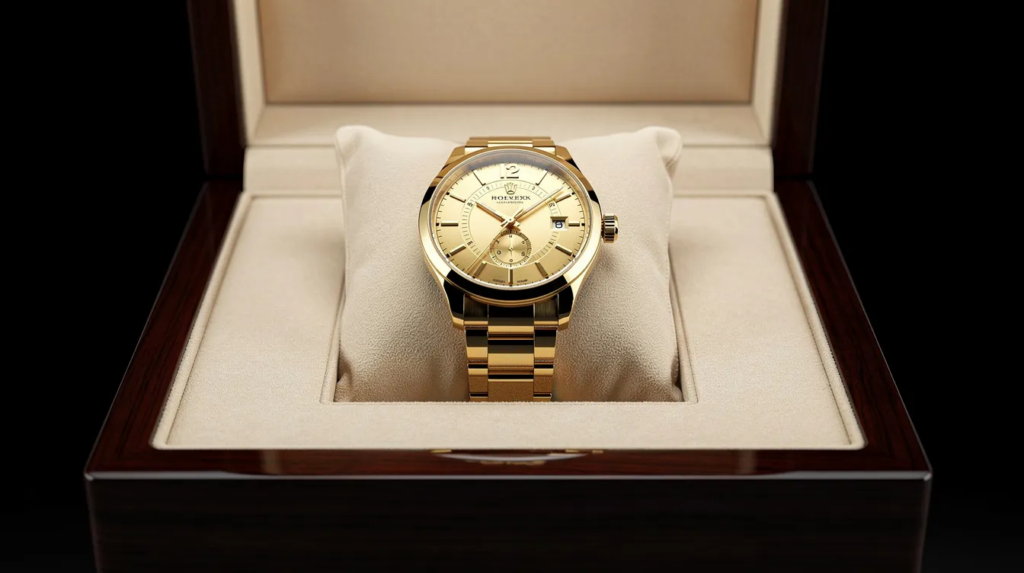
  • A 14K Rolex watch, Cartier bracelet, or Tiffany & Co. necklace could be worth significantly more than the gold weight alone.

That’s why it pays to work with experts who understand both intrinsic and resale value.

luxury watch investment

How R&J Jewelry and Loan Determines Your Gold’s Value

When you bring your gold to R&J Jewelry and Loan in San Jose, our process is designed to be transparent and fair. Here’s what you can expect:

Step 1: Gold Testing

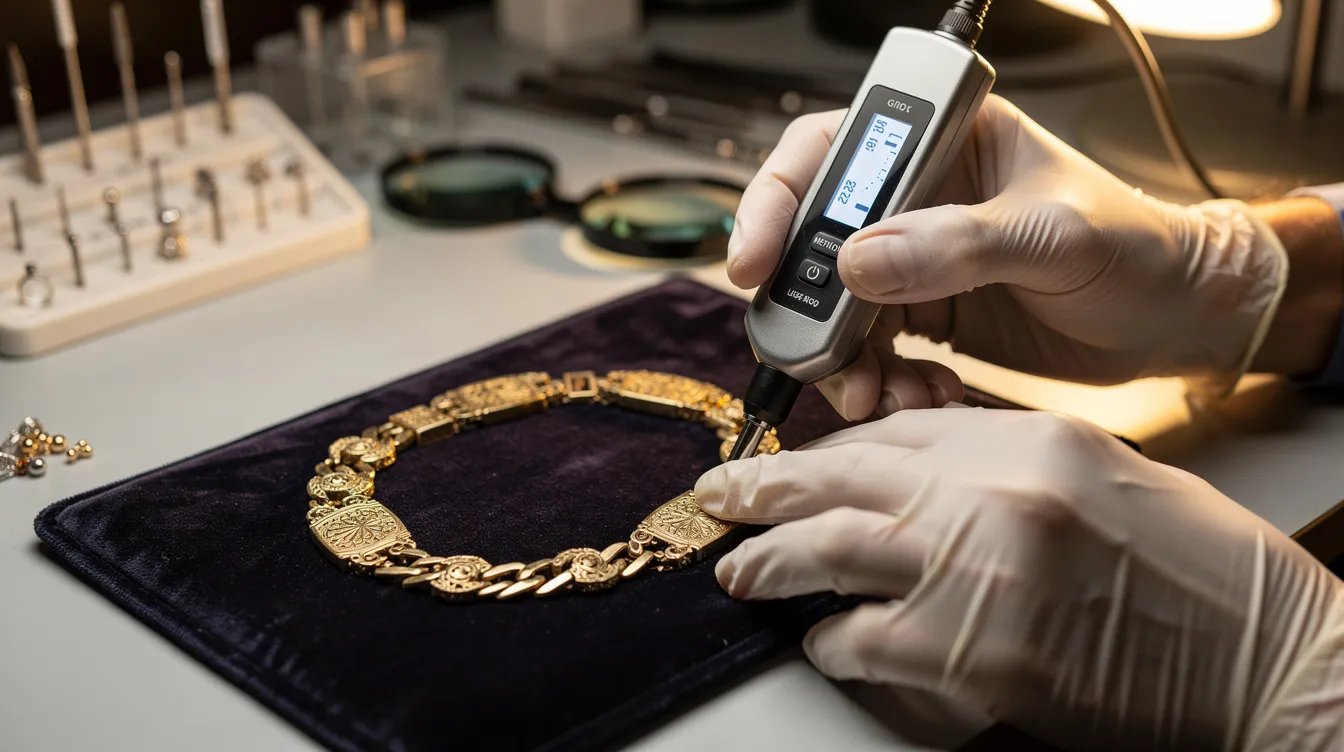
Our on-site gemologists carefully test each piece to determine its karat and authenticity. We may use acid tests, electronic gold testers, or XRF analyzers to ensure accuracy. This step protects you from underselling something valuable.

Step 2: Weighing

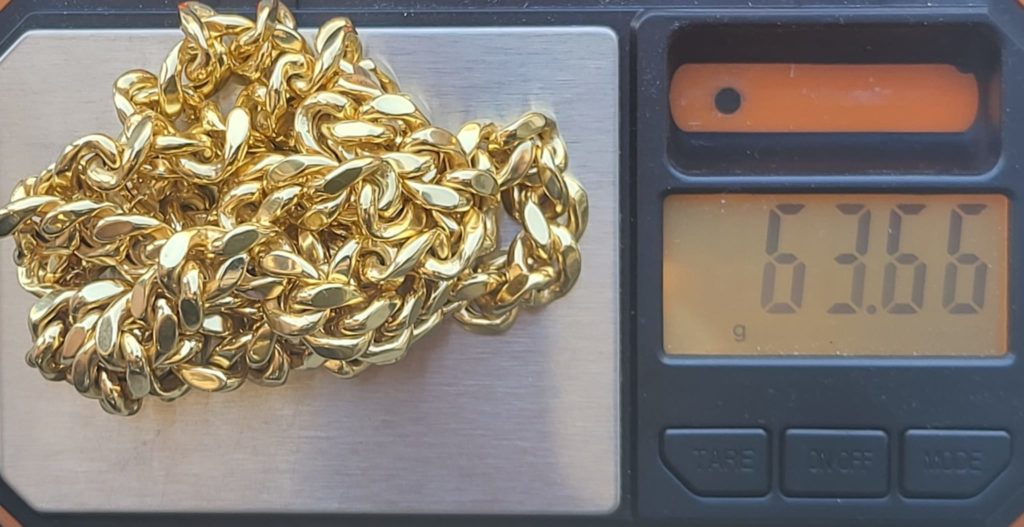
Each item is weighed on certified scales to determine the exact amount of gold content.

Step 3: Market Price Evaluation

We check the current spot price of gold that day to calculate the melt value.

Step 4: Added Value Assessment

If your piece is from a luxury brand, includes diamonds, or is a rare collectible, we factor that into the offer. Our team are diamond experts as well, meaning if your gold ring has a diamond, we evaluate both separately to give you full value.

Step 5: Offer Presentation

We explain our findings and make you an offer. There’s no pressure—you can decide whether to sell, pawn, or simply keep your item.

Sell Your Gold

Gold Selling Options in San Jose

At R&J Jewelry and Loan, you have multiple ways to benefit from your gold:

1. Sell Your Gold Outright

If you’re looking for fast cash, selling your gold is the quickest option. We’ll pay you on the spot based on the value determined during testing.

2. Pawn Your Gold

Don’t want to part with your jewelry permanently? A pawn loan is a great alternative. You leave your gold as collateral, get cash immediately, and when you repay the loan, you get your gold back. This is a flexible way to use your gold’s value without losing a sentimental item.

3. Sell Luxury Watches and Jewelry with Gold Content

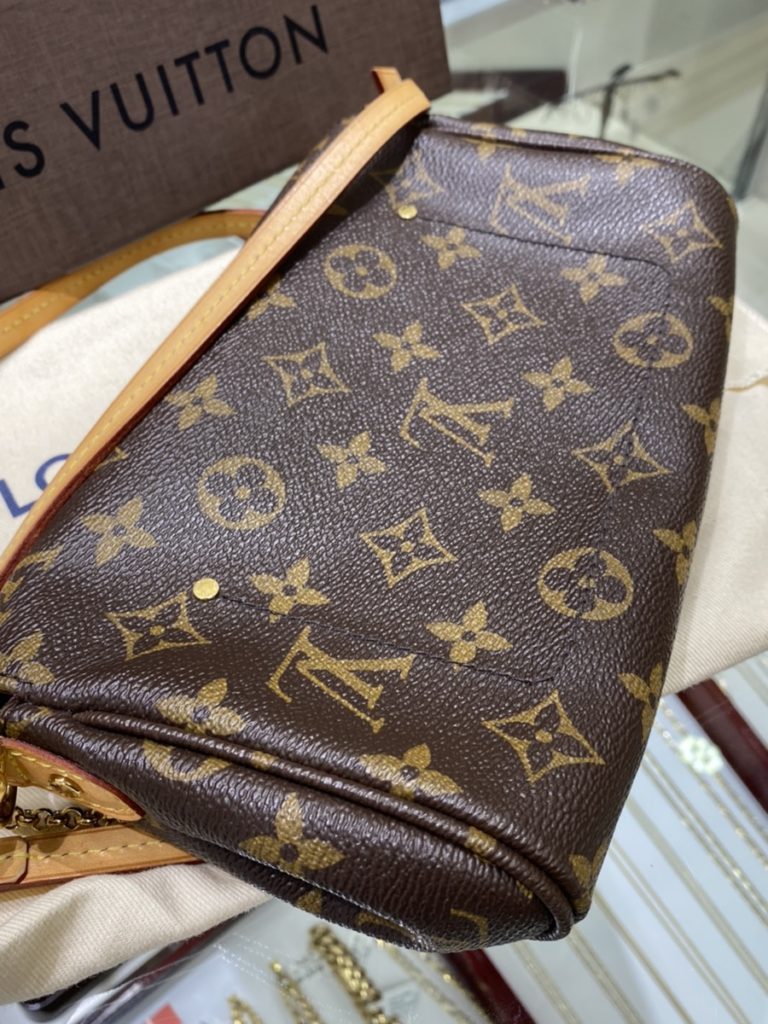
High-end watches like Rolex, Patek Philippe, Omega, or gold jewelry from Cartier or Tiffany often carry resale value far above melt weight. Our team specializes in these items and ensures you get compensated for both gold content and brand prestige.


Why Gold Prices Are High in 2025

Gold has been performing strongly due to:

  • Global economic uncertainty

  • Rising inflation

  • Increased investment demand

  • Currency fluctuations

These conditions make 2025 an excellent time to cash in on your gold. Many people in San Jose are choosing to sell old jewelry, coins, and gold bullion while prices remain strong.

gold market

Why Choose R&J Jewelry and Loan in San Jose?

You might wonder: why bring your gold to R&J Jewelry and Loan instead of selling online or going to a generic cash-for-gold shop?

Here’s what sets us apart:

  1. Gemologists On Site – Not every shop has trained professionals who can accurately evaluate gold and diamonds. We do.

  2. Decades of Expertise – We’ve served San Jose since 1978, earning trust in the community.

  3. Transparent Testing – We test your items in front of you, so you know exactly what you have.

  4. Fair, Competitive Offers – We use the day’s spot price and add value for luxury brands, diamonds, and collectibles.

  5. Wide Expertise – Beyond gold, we are experts in diamonds, watches, and other precious metals.

  6. Convenience – Walk in, get evaluated, and walk out with cash the same day.

  7. Options – Choose to sell outright or pawn your gold for a loan.


Frequently Asked Questions About Selling Gold in San Jose

Q: Can I sell broken or damaged gold jewelry?
Yes! Even if your gold is broken, missing stones, or out of style, it still has melt value. We’ll weigh and test it just the same.

Q: How do I know I’m getting a fair price?
At R&J Jewelry and Loan, we’re transparent about the testing and evaluation process. You’ll see the karat, weight, and spot price calculation.

Q: Do you buy gold coins or bullion?
Absolutely. Whether you have American Eagles, Krugerrands, Maple Leafs, or gold bars, we purchase them based on weight and purity.

Q: What about gold watches?
We specialize in watches, especially luxury brands. Your gold Rolex, Omega, or Cartier may be worth more than just its gold content.

Q: Do you buy items with diamonds too?
Yes, and we have gemologists to properly evaluate and price the diamonds separately from the gold.


Tips for Getting the Most Out of Your Gold

  1. Know what you have – Check for hallmarks (like 10K, 14K, 18K, etc.) on jewelry.

  2. Separate by karat if possible – Different purities are valued differently.

  3. Clean gently – A light polish can help your jewelry look its best, but don’t damage it.

  4. Bring everything in – Even scrap gold can add up.

  5. Choose a reputable buyer – This is the most important step. Always work with established professionals like R&J Jewelry and Loan.


The Emotional Side of Selling Gold

For many people, gold isn’t just metal—it carries emotional meaning. An old wedding band, an inherited necklace, or a watch gifted years ago may feel priceless. That’s why the choice to sell or pawn is often a personal one.

At R&J Jewelry and Loan, we respect the sentimental value of your items. If you’re not ready to part with them permanently, our pawn loan option allows you to unlock cash without saying goodbye.


Today’s Gold Market: A Local Perspective in San Jose

San Jose, the heart of Silicon Valley, is a diverse and fast-paced city where financial needs and investment opportunities go hand in hand. Many residents turn to gold not just as a luxury, but as a financial safety net.

  • Tech industry ups and downs can create uncertain times for employees. Selling or pawning gold provides a buffer.

  • Immigrant families often pass down gold jewelry as cultural traditions, making accurate appraisals important.

  • Collectors and investors in San Jose are increasingly interested in gold coins and bullion as a hedge against inflation.

R&J Jewelry and Loan has been part of this community for decades, helping customers make smart choices with their gold.


Final Thoughts: What Is My Gold Worth in San Jose Today?

The value of your gold depends on its purity, weight, the current market price, and whether it has additional collectible or luxury appeal. In today’s strong gold market, selling or pawning your items can be a smart financial move.

At R&J Jewelry and Loan in San Jose, CA, we combine expertise, fairness, and transparency to ensure you get the most for your gold, whether it’s a simple chain, a diamond-studded ring, or a high-end watch. With gemologists on site and specialists in diamonds, gold, watches, and precious metals, you can trust that your items are in expert hands.

So if you’re asking, “What is my gold worth today?”, the best way to find out is to bring it to us. Walk into our shop, let us test and evaluate it, and walk out with cash or a pawn loan tailored to your needs.

Your gold has value—make sure you unlock it with the help of San Jose’s trusted experts at R&J Jewelry and Loan.

Silver Prices: Current Market Trends, Analysis, and Investment Outlook for 2025

gold trends

Key Takeaways

  • Silver prices have surged nearly 40% in 2025, reaching 14-year highs above $42 per ounce amid strong industrial demand and geopolitical uncertainty

  • Industrial applications, particularly in solar panels, electric vehicles, and electronics, are driving unprecedented demand for silver as a critical commodity

  • Market experts predict silver could potentially reach $100-$130 per ounce in the long term due to supply deficits and undervaluation relative to gold

  • Mexico, Peru, and China dominate global silver production, while supply constraints and recycling contribute to ongoing market tightness

  • Investors can access silver through physical bullion, ETFs, mining stocks, and futures contracts, each offering different risk-return profiles

The silver market has captured investor attention in 2025 with a remarkable performance that has outpaced most commodities and precious metals. As both a precious metal and critical industrial commodity, silver’s unique dual nature creates compelling investment dynamics that differentiate it from gold and other traditional safe-haven assets.

This comprehensive analysis examines current silver prices, market fundamentals, supply dynamics, and investment strategies to help investors understand this complex and rapidly evolving market. With ongoing geopolitical tensions, persistent inflation concerns, and unprecedented industrial demand from renewable energy sectors, silver presents both significant opportunities and notable risks for today’s investors.

Silver Market

Current Silver Prices and Recent Performance

The silver spot price has experienced exceptional volatility and growth throughout 2025, with current market price levels trading consistently above $42-43 per troy ounce as of late 2025. The price of silver has shown significant movement in both current market values and historical trends, reflecting its importance in market analysis and investment decisions. This represents year-over-year gains exceeding 38%, with some months delivering approximately 12% increases that have pushed silver to multi-year highs not seen since the 2011-2012 precious metals rally.

Retail silver prices for physical silver bullion have reached approximately $1,414 per kilogram, reflecting both the underlying spot price appreciation and the way silver products are priced based on the spot price plus increased premiums dealers charge for physical silver products. The current price represents a dramatic recovery from the March 2020 lows near $12 per ounce, when pandemic-related market disruptions temporarily depressed precious metals pricing.

Daily price fluctuations continue to reflect real-time market conditions and trading activity across global exchanges, with the COMEX futures market and London Bullion Market Association setting primary price discovery mechanisms. The silver traded volumes have increased substantially as both institutional and private investors seek exposure to this precious metal.

Trading patterns show silver reached an 11-year high of $29.26 in April 2024, pulling back during summer months, then rallying sharply to current levels above $41 per ounce. This price action demonstrates silver’s characteristic higher volatility compared to gold, with more pronounced swings reflecting its smaller market size.

Silver Forecast

Factors Driving Silver Price Movements

Multiple interconnected factors contribute to silver’s exceptional 2025 performance, creating a complex web of supply and demand dynamics that professional investors and market analysts closely monitor. These dynamics have the potential to drive a rise in silver prices as market conditions evolve.

US dollar strength and Federal Reserve interest rate policy changes significantly impact precious metals demand, as lower rates typically reduce the opportunity cost of holding non-yielding assets like physical silver. Recent federal reserve rate cut expectations have provided tailwinds for precious metals, while ongoing concerns about currency devaluation drive investment demand for tangible assets.

Geopolitical tensions and trade wars have created substantial safe-haven investment flows into precious metals, with silver benefiting alongside gold as investors seek portfolio diversification outside traditional stock markets. The ongoing geopolitical issues and uncertainty surrounding global trade relationships continue supporting demand for precious metals industry products.

Inflation concerns and currency devaluation hedge strategies have become increasingly prominent as central banks worldwide grapple with monetary policy challenges. Silver’s historical role as an inflation hedge attracts investors seeking to preserve purchasing power, though its industrial applications provide additional price support mechanisms beyond pure monetary demand.

Supply and demand imbalances represent perhaps the most fundamental driver, with ongoing market deficits where consumption exceeds annual production. The silver institute and industry research organizations consistently report structural deficits that suggest tightening physical markets over the medium term. A significant portion of silver demand comes from the electronics and renewable energy sectors, further shaping market trends and influencing price movements.

Industrial Demand Drivers

The industrial side of silver demand has experienced unprecedented growth, fundamentally altering the market’s long-term supply and demand dynamics. Industrial demand now represents approximately 50% of total silver consumption, making price movements increasingly sensitive to economic activity and technological developments.

The solar industry accounts for roughly 16% of global silver demand, with 14% annual growth over the past decade as renewable energy adoption accelerates worldwide. Each gigawatt of new solar capacity requires approximately 20 tons of silver, translating to roughly 643,000 troy ounces per installation. China’s massive solar panel manufacturing expansion and global renewable energy commitments suggest this demand source will continue growing substantially.

Electric vehicles and their supporting charging infrastructure require significant silver content for battery technology, electrical connections, and power management systems. As electric vehicle adoption accelerates globally, this represents a new and growing source of industrial demand that didn’t exist at meaningful scale just a decade ago.

Electronics manufacturing continues utilizing silver’s superior conductivity properties in electronic devices, particularly for high-performance applications where silver’s unique properties cannot be easily substituted. The expansion of 5G technology, semiconductor demand, and increasingly sophisticated consumer electronics drives consistent baseline demand.

Medical applications leverage silver’s antibacterial properties for water purification systems and healthcare products, representing a smaller but steady demand component. This includes specialized applications in hospital equipment, water treatment facilities, and consumer health products where silver’s antimicrobial properties provide unique value.

The key role silver plays across these industrial sectors creates price support during economic expansions, but also exposes silver prices to cyclical downturns when industrial activity slows. This dual nature differentiates silver from gold, which primarily serves investment and jewelry demand.

Global Silver Production and Supply

Understanding the supply side dynamics provides crucial context for evaluating silver’s price trajectory and investment potential. Global silver production faces several structural challenges that contribute to ongoing market tightness.

Mexico leads world production with approximately 5,000 tons annually, representing roughly 20% of global output. Mexican mining companies have developed extensive silver-focused operations, though production growth has plateaued in recent years due to resource depletion and regulatory challenges. Peru, China, Russia, Bolivia, and Australia follow Mexico as major producing nations, each contributing between 1,000-3,000 tons annually.

A critical factor affecting supply is that silver mining often occurs as a byproduct of lead, zinc, and copper extraction rather than primary silver operations. This means silver supply is partially dependent on demand and pricing for base metals, creating complex supply elasticity that doesn’t always respond directly to silver price signals.

Recycling contributes approximately 20% of annual global silver supply through recovery from electronic devices, photographic film, jewelry, and industrial applications. However, recycling rates vary significantly based on silver prices and the availability of scrap material, making this supply source somewhat unpredictable.

Mining companies face increasing production constraints including resource depletion of high-grade deposits, rising extraction costs, environmental regulations, and longer project development timelines. New primary silver mine discoveries have become increasingly rare, with most new production coming from expansion of existing operations or byproduct extraction.

The supply side outlook suggests production growth will likely lag demand growth over the medium term, particularly if industrial demand continues expanding at current rates. This fundamental supply-demand imbalance represents a key argument for higher silver prices over time.

fast cash

Expert Price Forecasts and Market Predictions

Market analysts and industry experts have developed increasingly bullish long-term silver price forecasts based on supply deficit projections and industrial demand growth expectations. A silver price forecast is used by experts to predict future price movements, taking into account factors such as supply, demand, and economic uncertainties.

First Majestic Silver Corp CEO Keith Neumeyer has maintained a $100-$130 per ounce long-term target since 2017, citing structural supply deficits and undervaluation relative to historical gold-silver ratios. His analysis suggests current pricing significantly undervalues silver’s industrial importance and monetary properties.

Several prominent analysts predict silver could reach $100-$150 within 3-5 years based on supply deficits and accelerating industrial demand. These forecasts typically assume continued renewable energy growth, electric vehicle adoption, and limited new mine development to address growing consumption.

Quarter-end futures expectations currently center around $43 per ounce, with 12-month targets ranging from $46-$52 depending on economic conditions and industrial demand growth. Options contracts reflect significant interest in higher strike prices, suggesting market participants anticipate potential upside breakouts.

Conservative estimates from mainstream financial institutions point toward new all-time highs beyond the previous $50 peaks reached during the 2011 precious metals rally. These projections typically factor in inflation-adjusted price appreciation and industrial demand growth without assuming extreme monetary conditions.

Technical analysis suggests silver could experience significant price acceleration if it breaks decisively above resistance levels near $45-$48 per ounce. Historical data shows silver tends to experience explosive price moves during precious metals bull markets, often outperforming gold by substantial margins.

Silver vs Gold Prices Dynamics

The current gold-to-silver price ratio near 80-90:1 compares to a production ratio of approximately 7.5:1, suggesting silver remains undervalued relative to its natural abundance and industrial utility. This ratio analysis forms a cornerstone of bullish silver arguments.

Historical analysis demonstrates silver outperforming gold during precious metals bull markets, with the ratio often falling to 40-50:1 during peak enthusiasm periods. If this pattern repeats, current silver prices could experience substantial appreciation even without gold price increases.

Silver’s higher volatility creates both opportunities and risks for investors, with daily price swings often exceeding 3-5% compared to gold’s typical 1-2% movements. This volatility reflects silver’s smaller market size and dual investment-industrial nature.

The dual nature as both precious metal and industrial commodity provides unique price support mechanisms that gold lacks. While gold serves primarily as a store of value and inflation hedge, silver benefits from irreplaceable industrial applications that create baseline demand.

Currency fluctuations, particularly us dollar movements, affect both metals but impact silver more dramatically due to its industrial applications and smaller market capitalization. A weaker us dollar typically benefits both metals, but silver often experiences amplified moves in both directions.

Silver Investment Options and Strategies

Silver investing encompasses a range of methods, from owning physical silver to participating in financial instruments like ETFs and mining stocks, each with unique benefits and risks.

Investors seeking silver exposure can choose from multiple investment vehicles, each offering different risk-return profiles, liquidity characteristics, and practical considerations.

Physical silver bullion, including coins, rounds, and bars, provides direct ownership and portfolio insurance against financial system risks. Popular choices include American Silver Eagles, Canadian Maple Leafs, and generic silver bars in various sizes from one ounce to 1,000-ounce bar form. To buy silver, investors should verify authenticity and purchase from reputable dealers to ensure quality and avoid counterfeits. Physical ownership requires consideration of storage, insurance, and verification procedures.

Silver exchange traded funds offer market exposure without storage requirements or authentication concerns. Major ETFs track silver spot price movements through physical silver holdings or futures contracts, providing liquidity and transparency for investors preferring exchange-traded products.

Mining company stocks provide leveraged exposure to silver price movements, as mining companies typically experience amplified earnings changes relative to underlying commodity prices. Buying shares of silver mining companies or silver-focused ETFs is another way to gain exposure to silver prices as part of a diversified silver investing strategy. However, mining stocks also carry company-specific risks including operational challenges, management quality, and project execution risks.

Silver futures and options contracts enable sophisticated traders to implement hedging strategies, leverage positions, or speculate on price direction. These derivative instruments require significant market knowledge and risk management capabilities but offer precise exposure control and capital efficiency.

Certified storage solutions address the practical challenges of large physical silver investments, providing professional vault services, insurance coverage, and audit verification. These services typically charge annual fees but eliminate many risks associated with personal storage.

Buying and Selling Physical Silver

Purchasing physical silver requires careful attention to dealer reputation, product authenticity, and pricing transparency. R&J Jewelry and Loan in San Jose, CA, along with other established precious metals dealers, typically offers verification services and guarantees product authenticity through recognized certification processes.

Premium pricing over spot rates varies significantly based on product type, market conditions, and purchase quantities. Silver coins generally command higher premiums than bars due to fabrication costs and collector appeal, while larger bars offer lower per-ounce premiums for substantial purchases.

Documentation requirements for selling silver back to dealers include proof of purchase, identity verification, and compliance with reporting regulations for large transactions. Understanding these requirements before purchase helps ensure smooth exit strategies when needed.

Storage considerations encompass security, insurance, accessibility, and environmental protection. Home storage requires safes or security deposit boxes, while commercial storage services offer professional facilities with comprehensive insurance coverage.

Liquidity advantages of recognized silver products become apparent during sale transactions, as well-known coins and bars command tighter bid-ask spreads and faster transaction completion. Generic or unusual products may face liquidity challenges during sale, making trusted dealers like R&J Jewelry and Loan in San Jose, CA a reliable option for both buying and selling.

Market Risks and Considerations

Silver investment involves several risk factors that potential investors should carefully evaluate before committing capital to this volatile precious metal market.

Price volatility significantly exceeds that of gold due to silver’s smaller market size, industrial demand sensitivity, and speculative trading activity. Daily price swings of 5-10% occur regularly, requiring appropriate position sizing and risk tolerance assessment.

Economic slowdown risks could substantially affect industrial demand for silver, as renewable energy projects, electronics manufacturing, and automotive production typically decline during recessions. This industrial sensitivity distinguishes silver from purely monetary precious metals.

Interest rate sensitivity impacts precious metals investment flows, as rising rates increase the opportunity cost of holding non-yielding assets. Federal reserve policy changes can trigger significant capital flows into or out of precious metals markets.

Currency fluctuations, particularly involving the us dollar and japanese yen, affect international silver trade and pricing dynamics. A stronger dollar typically pressures commodity prices, while currency instability often benefits precious metals demand.

Regulatory changes could potentially impact silver mining operations, trading mechanisms, or tax treatment of precious metals investments. Environmental regulations, mining permitting, and financial market rules all influence silver market dynamics.

Market manipulation concerns arise periodically regarding large futures positions, concentrated ownership, or coordinated trading activities. While regulatory oversight exists, the relatively small silver market size may be susceptible to influence by large players.

Frequently Asked Questions

What is the difference between silver spot price and retail price?

The silver spot price represents the immediate delivery value for large institutional transactions typically involving 1,000-ounce contracts or larger. Retail prices include dealer premiums, fabrication costs, shipping, and profit margins that individual investors pay when purchasing physical silver products. These premiums typically range from 3-8% above spot for bars and 10-20% for popular coins, varying based on market conditions and product availability.

How much silver should I include in my investment portfolio?

Financial advisors typically recommend a 5-10% precious metals allocation within a diversified portfolio, with silver comprising 10-25% of that allocation depending on individual risk tolerance and investment objectives. This translates to roughly 1-3% of total portfolio value in silver. Factors to consider include your belief in industrial demand growth, inflation expectations, portfolio diversification goals, and comfort with volatility.

Why is silver more volatile than gold?

Silver’s higher volatility stems from several structural factors including its much smaller market size (roughly 1/10th of gold’s market capitalization), dual industrial-investment demand that creates multiple price drivers, higher leverage to economic cycles through industrial applications, and greater sensitivity to interest rate changes. Additionally, silver’s lower absolute price per ounce means percentage moves appear larger, and speculative trading activity tends to be more pronounced relative to total market size.

Can silver prices really reach $100 per ounce?

While ambitious, several market factors support the possibility of triple-digit silver prices over the next decade. These include persistent supply deficits where consumption exceeds production, accelerating industrial demand from renewable energy and electric vehicle sectors, historical undervaluation relative to gold based on production ratios, and potential monetary policy responses to economic instability. However, such price levels would require sustained demand growth and limited supply responses, making timing and probability difficult to predict with certainty.

Is silver a good hedge against inflation?

Silver has historically performed well during inflationary periods due to its tangible asset nature, industrial demand that often correlates with economic activity, and investor preference for precious metals during currency devaluation concerns. However, silver’s industrial applications can create complex relationships with inflation – moderate inflation may support prices through industrial demand, while severe inflation could reduce industrial activity. Short-term performance can vary significantly, making silver more of a long-term inflation hedge rather than a reliable short-term correlation with consumer price indices.

Turn Your Unwanted Gold Jewelry into Instant Cash: A Guide for San Jose Residents

Sell Your Gold

Are you sitting on a treasure trove of unwanted gold jewelry? Perhaps you have old pieces that no longer match your style, or maybe you’ve inherited items that you simply don’t wear. Whatever the case may be, turning that gold into cash can be a smart financial decision. This guide will walk San Jose residents through the process of selling gold jewelry, ensuring you get the best value for your items.

Understanding the Value of Your Gold Jewelry

Gold jewelry can vary significantly in value based on several factors. Understanding these factors is essential for getting the best price when you decide to sell. The intrinsic value of gold is determined by its purity, weight, and the current market price of gold, which fluctuates regularly. Additionally, the sentimental value attached to certain pieces can also play a role in how much you might be willing to accept when selling. Family heirlooms, for example, may hold a price far beyond their material worth due to the memories and stories they carry.

In addition to these factors, the craftsmanship and brand of the jewelry can also influence its worth. Designer pieces or those with intricate designs may fetch a higher price than generic items, even if they contain the same amount of gold. The reputation of the jeweler or brand can add to the allure and value of the piece. For instance, jewelry from renowned designers like Cartier or Tiffany & Co. often commands a premium, not just for the gold content, but for the prestige associated with the brand.

We buy gold jewelry

How Gold Prices Are Determined in Today’s Market

The price of gold is influenced by various economic factors, including supply and demand, geopolitical stability, and market speculation. Investors often turn to gold as a safe haven during times of uncertainty, which can drive prices up. Conversely, when the economy is stable, gold prices may decrease. Seasonal trends can also affect gold prices; for example, demand often spikes during wedding seasons in various cultures, leading to temporary increases in price.

For those looking to sell gold jewelry, staying informed about current market trends can be beneficial. Websites and financial news outlets provide real-time updates on gold prices, allowing sellers to time their transactions for maximum profit. Additionally, understanding the historical price trends can provide insights into the best times to sell. Many sellers also benefit from utilizing online platforms that allow them to compare offers from multiple buyers, ensuring they receive a competitive price for their items.

Identifying Different Karats and Their Worth

Gold jewelry is measured in karats, with 24 karats being pure gold. Common karat values include 10K, 14K, and 18K, each representing a different percentage of gold content. For instance, 14K gold contains approximately 58.3% gold, while 18K gold contains 75% gold. The lower the karat, the more alloy metals are mixed with gold, which can affect both the color and durability of the jewelry. This is particularly important for buyers who may be looking for specific qualities in their gold jewelry, such as hypoallergenic properties or a particular hue.

When assessing the worth of your jewelry, it’s crucial to know its karat value. Higher karat gold is generally more valuable due to its higher gold content. A simple acid test or professional appraisal can help determine the karat of your pieces, ensuring you receive a fair offer when selling. Moreover, understanding the market for different karat values can also help sellers make informed decisions. For example, while 18K gold may be more sought after in certain markets, 14K gold is often favored in others due to its balance of durability and gold content, making it a popular choice for everyday wear.

Preparing Your Gold Items for Maximum Returns

Before heading out to sell your gold jewelry, taking some time to prepare your items can significantly impact the offers you receive. A little effort in sorting, organizing, and cleaning can make your pieces more appealing to potential buyers.

gold market

Additionally, having all necessary documentation, such as appraisals or purchase receipts, can help establish the value of your jewelry and reassure buyers of its authenticity.

Sorting and Organizing Your Jewelry Collection

Start by sorting through your jewelry collection. Separate items into categories based on their karat value, style, and condition. This organization will not only make it easier to assess the value of each piece but also help you present them more effectively to potential buyers.

Consider creating a list of your items, noting their karat values and any unique features. This list can serve as a handy reference during negotiations, ensuring you don’t overlook any valuable pieces. Additionally, documenting any historical significance or sentimental value associated with certain items can provide context that might resonate with buyers, making them more inclined to offer a higher price.

Cleaning and Presenting Your Gold Pieces Effectively

Presentation matters when selling gold jewelry. Clean your pieces gently using mild soap and water, and dry them thoroughly. Avoid harsh chemicals that can damage the finish or integrity of the gold. A well-presented piece can catch the eye of a buyer and potentially increase its perceived value.

When meeting with potential buyers, consider bringing your jewelry in a clean, organized case or pouch. This not only protects your items but also demonstrates that you take the sale seriously, which can positively influence the buyer’s perception. Furthermore, think about the setting in which you present your jewelry; a well-lit area can enhance the sparkle and shine of your gold pieces, making them even more enticing. If possible, showcase your items alongside complementary accessories, as this can help buyers envision how they might incorporate the jewelry into their own collections.

Finding Reputable Gold Buyers in San Jose

Once your gold jewelry is prepared, the next step is finding a reputable buyer. San Jose boasts a variety of gold buying businesses, but not all are created equal. Conducting thorough research can help ensure you choose a trustworthy buyer who offers fair prices.

Look for businesses with positive reviews and strong reputations in the community. Word of mouth can be a powerful tool; ask friends or family for recommendations based on their experiences. Online reviews and ratings can also provide insight into a buyer’s reliability and customer service.

Researching Local Gold Buying Businesses and Their Reputations

Start by compiling a list of local gold buyers in San Jose. Check their websites for information about their services, pricing policies, and any certifications they may hold. Reputable buyers often belong to professional organizations and adhere to ethical practices.

Don’t hesitate to reach out to these businesses with questions. A reputable buyer will be transparent about their processes and willing to answer any inquiries you may have. Take note of their customer service; a friendly and knowledgeable staff can make a significant difference in your selling experience. Additionally, consider visiting multiple buyers to compare their offers and see how they treat their customers. This can provide a clearer picture of who you feel most comfortable working with.

What to Expect During the Selling Process

When you visit a gold buyer, be prepared for the process. Typically, the buyer will evaluate your jewelry based on its weight, karat value, and current market prices. They may use a scale and testing tools to determine the gold content accurately.

Once the evaluation is complete, the buyer will present you with an offer. It’s essential to know the current market price of gold beforehand to gauge whether the offer is fair. If you feel the offer is too low, don’t hesitate to negotiate or consider other buyers. Remember, the selling process can also vary; some buyers may offer immediate cash, while others might provide a check or bank transfer, so it’s wise to clarify payment methods before proceeding. Additionally, inquire about any potential fees that could affect your final payout, as some businesses may deduct costs for refining or processing your gold.

luxury watch investment

Why R&J Jewelry and Loan is a Trusted Gold Exchange

For San Jose residents looking to sell their gold jewelry, R&J Jewelry and Loan stands out as a trusted option. With a solid reputation built on years of service, they prioritize customer satisfaction and fair pricing.

R&J Jewelry and Loan offers a transparent evaluation process, ensuring that sellers understand how their offers are determined. Their knowledgeable staff is always ready to answer questions and provide insights into the gold selling process, making it a comfortable experience for first-time sellers. The team takes the time to educate clients about the current market trends, gold purity, and the factors that influence pricing, which empowers sellers to make informed decisions.

Additionally, R&J Jewelry and Loan is committed to ethical practices, ensuring that all transactions are conducted fairly and transparently. This commitment to integrity has earned them a loyal customer base and positive reviews throughout the San Jose community. They also offer a range of services beyond gold exchanges, including appraisals and loans against jewelry, which further solidifies their position as a comprehensive resource for those in need of financial assistance.

Moreover, R&J Jewelry and Loan understands the sentimental value that jewelry can hold, often representing cherished memories and milestones. Their compassionate approach to transactions acknowledges this emotional aspect, providing a respectful environment where sellers can feel comfortable discussing their items. This sensitivity, combined with their professional expertise, creates a unique atmosphere that sets them apart from other gold buyers in the area.

In conclusion, turning unwanted gold jewelry into cash can be a rewarding experience for San Jose residents. By understanding the value of your items, preparing them effectively, and finding a reputable buyer, you can maximize your returns and enjoy the benefits of your hidden treasure. Whether you choose R&J Jewelry and Loan or another trusted buyer, taking these steps will ensure a smooth and profitable selling process.